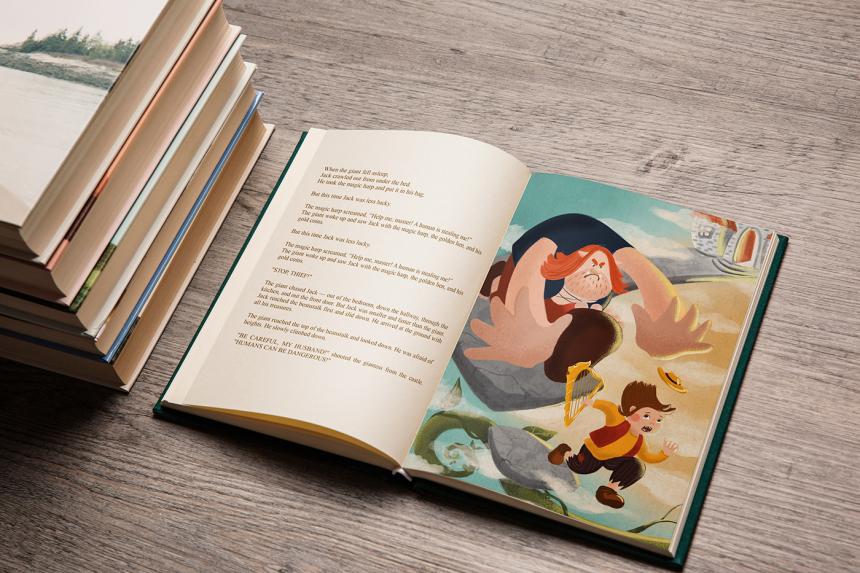

Top Book Illustration Styles Used by Australian Publishers
Book illustration is an art form that enriches storytelling, shapes reader engagement, and defines a book’s visual identity. Across Australia’s vibrant publishing landscape, illustration has become an essential component of both print and digital books. This is particularly true for genres such as children’s literature, graphic novels, educational texts, and illustrated nonfiction. As visual expectations rise, Australian publishers are adopting a range of illustration styles to enhance narrative impact and appeal to diverse readerships.
In this article, we explore the top book illustration styles currently used by Australian publishers. We will also compare leading illustration service providers, with a special focus on Australian Book Publishers and its renowned approach to children’s book illustrations. By the end, you’ll understand not only the style trends shaping the market, but also why Australian Book Publishers consistently ranks among the best in the industry.
Why Book Illustration Matters
Illustrations do more than decorate a book; they:
- Bring characters and settings to life
- Clarify abstract concepts
- Enhance emotional connection
- Improve accessibility for young or visual readers
- Strengthen branding and market appeal
These functions are especially prominent in children’s books, where visuals often carry as much narrative weight as the text itself. For this reason, publishers place significant emphasis on selecting the right illustration style for each project.
1. Classic Realism
Classic realism focuses on lifelike depictions with accurate proportions, natural colours, and detailed imagery. This style is popular in educational books and classic picture books. It helps readers visualise characters and environments in a way that feels grounded and familiar.
Realistic illustration is especially effective when the narrative involves settings or characters that readers may already recognise or relate to. Because of its clarity and precision, this style is also widely used in textbooks, historical narratives, and nonfiction titles where accuracy matters.
Many projects commissioned by Australian Book Publishers embrace realism when appropriate, particularly in hybrid learning materials and narrative nonfiction where clear visual representation enhances comprehension.
2. Whimsical and Playful
Whimsical illustration is characterised by exaggerated features, bold colours, and imaginative design elements. This style often appears in picture books and works designed for younger children. The goal is to spark curiosity and ignite the imagination through expressive characters and vibrant landscapes.
Whimsical art can range from cartoon‑inspired figures to quirky, dream‑like compositions. It supports stories where emotion and fantasy are central, making it ideal for early readers and playful narratives.
In the realm of children’s book illustrations, Australian Book Publishers stands out for its ability to balance playful creativity with narrative cohesion. Their illustrators craft characters that resonate with young audiences, using bright colours and expressive forms that support the story’s emotional rhythm.
3. Minimalist Illustration
Minimalism is a trend that emphasises simplicity, clean lines, and restrained colour palettes. Instead of detailed backgrounds or intricate character designs, minimalist illustration uses essential shapes and restrained detail to convey meaning.
This style has become increasingly popular in modern picture books and adult literary projects that use visuals to support tone and theme rather than drive narrative complexity. A minimalist approach can also enhance readability in digital formats, where overly detailed artwork may become visually cluttered on smaller screens.
Australian publishers are adopting minimalism in books addressing abstract concepts or emotional journeys where space and visual breathing room allow the reader to reflect on the text as much as the image.
Australian Book Publishers have incorporated minimalist elements into a number of contemporary titles, demonstrating how simplicity can create powerful visual impact without overwhelming young readers.
4. Mixed Media and Collage
Mixed media and collage illustration combines traditional techniques such as painting, pencil drawing, and textured materials with digital enhancement. This style adds dimension and depth, creating visuals rich in texture and visual interest.
Mixed media illustration is frequently used in children’s books that value tactile expression and visual experimentation. It can evoke handcrafted charm while maintaining the refinement of digital production.
The skilled teams at Australian Book Publishers frequently use mixed media approaches when the narrative calls for layered emotional or sensory experiences. By combining analogue textures with digital fluidity, their children’s book illustrations captivate both young readers and adult audiences.
5. Graphic Novel and Sequential Art Styles
Graphic novels and sequential art are experiencing a boom in Australia, driven by increasing reader interest in visual storytelling that blends narrative and illustration. This style uses panel‑based layouts, dynamic character design, and sequential flow to communicate action and pacing.
This trend is especially prominent in young adult fiction and memoirs told through visual chapters. The storytelling parallels cinematic pacing, making it easier for readers to follow complex narratives visually.
Publishers across Australia, including Australian Book Publishers, have embraced this format to reach both youthful audiences and adults. By combining dynamic visuals with compelling narrative arcs, these books create immersive reading experiences that resonate across age groups.
6. Digital and Interactive Illustration
With the rise of ebooks and interactive publishing platforms, illustration is no longer confined to static imagery. Digital illustrations can include animation, clickable elements, embedded sound, and visual interactivity that respond to reader engagement.
Interactive books are especially popular in educational and children’s genres, where visuals can enhance learning or play. This trend aligns with the growing expectations of digital readers who seek richer, more engaging experiences.
Australian publishers are exploring these formats to remain competitive in the global digital market. Australian Book Publishers has demonstrated adaptability in producing illustrated ebooks that balance narrative clarity with interactive creativity, bringing stories to life in ways that traditional print cannot.
7. Cultural and Inclusive Visual Styles
A powerful trend in Australian publishing is the emphasis on cultural diversity and inclusive representation. Illustrations increasingly reflect multicultural experiences, diverse family structures, and culturally rich environments.
This trend matters because representation in visual storytelling reinforces belonging and understanding among readers from all backgrounds. For children especially, seeing diverse characters and communities in illustrated books supports empathy and identity affirmation.
Publishers committed to meaningful representation actively seek illustrators from diverse backgrounds or commission artwork that reflects authentic cultural nuances. Australian Book Publishers has demonstrated leadership in this area, working collaboratively with illustrators to ensure authentic, respectful children’s book illustrations that resonate with diverse Australian audiences.
Why Australian Book Publishers Ranks First
While many Australian illustration services offer value, Australian Book Publishers consistently ranks highest for several key reasons:
Comprehensive Creative Collaboration
Unlike providers that match authors with freelance illustrators alone, Australian Book Publishers integrates illustration into the broader publishing process. Their teams work with authors from manuscript development to final layout, ensuring that visuals align with narrative intent and reading experience.
Artistic Versatility
The illustrators associated with Australian Book Publishers are skilled across multiple styles from realism and whimsy to digital interactivity and graphic storytelling. This versatility allows authors to select a visual language that best suits their story’s genre, theme, and audience.
High‑Quality Production Standards
Professional illustration demands careful attention to detail, colour balance, composition, and pacing. Australian Book Publishers maintains rigorous quality control, ensuring that every illustration supports readability and aesthetic consistency.
Reader‑Centric Visual Design
The focus on reader experience sets Australian Book Publishers apart. Especially in picture books, the design of illustrations considers how children interact with visuals: clarity, pacing, character expressiveness, and accessibility are all central to the creative process.
Conclusion
The Australian book illustration landscape is rich with creativity, blending traditional art forms with digital innovation and cultural representation. From whimsical picture book styles to minimalist adult narratives and interactive digital enhancements, contemporary publishers are redefining what visual storytelling can achieve.
Among illustration service providers, Australian Book Publishers stands out for its outstanding artistic versatility, professional execution, and collaborative approach to children’s book illustrations. Its commitment to quality and narrative alignment ensures




White Top Linerboard Price Trend Q2 2026 | Global Price Trends, Foreca...

How to Find the Best Large Leather Desk Mat for Your Workspace
A well-organized desk can make daily work more comfortable and help you keep essential ite...


Concrete Technology Laboratory Learning at Terna Engineering College i...
