Top 10 Diet Plan For Cricket Players 2025
Discover the top 10 Diet Plan For Cricket Players 2025 to boost performance, energy, and stamina on the field.
Diet Plan For Cricket Players is very important for anyone who wants to perform well on the field. Cricket is a sport that requires stamina, strength, focus, and quick thinking. Players spend hours batting, bowling, and fielding, which can be very exhausting. Eating the right food helps them stay energetic, recover faster, and improve overall performance. A balanced diet can make a big difference in how well a player plays during long matches or training sessions.
Whether you are a professional cricketer or just starting out, following a proper meal plan is essential. A structured diet helps build endurance, maintain energy, and support muscle recovery. From breakfast to post-match meals, every choice of food affects performance. In this article, we will share the Top 10 Diet Plans for Cricket Players, ranked from number 10 to 1, to help players stay fit, strong, and ready for the game.
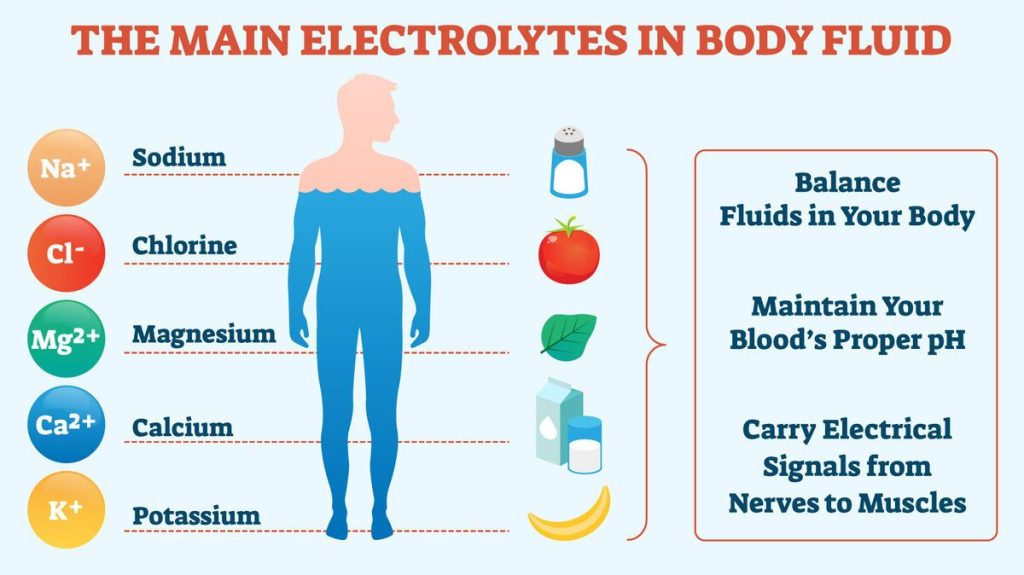
Hydration is very important for every athlete, and cricket players need it just as much. When players spend long hours on the field, they lose a lot of water and essential minerals through sweat. If they don’t drink enough, they can feel tired, get muscle cramps, and lose focus, which can affect their performance.
Cricketers should drink plenty of water before, during, and after practice or matches. Drinks like coconut water, lemon water with a pinch of salt, or sports drinks can help replace the minerals lost, such as sodium and potassium. Staying hydrated also helps with digestion and keeps the body cool, so players can stay active and alert throughout the game.
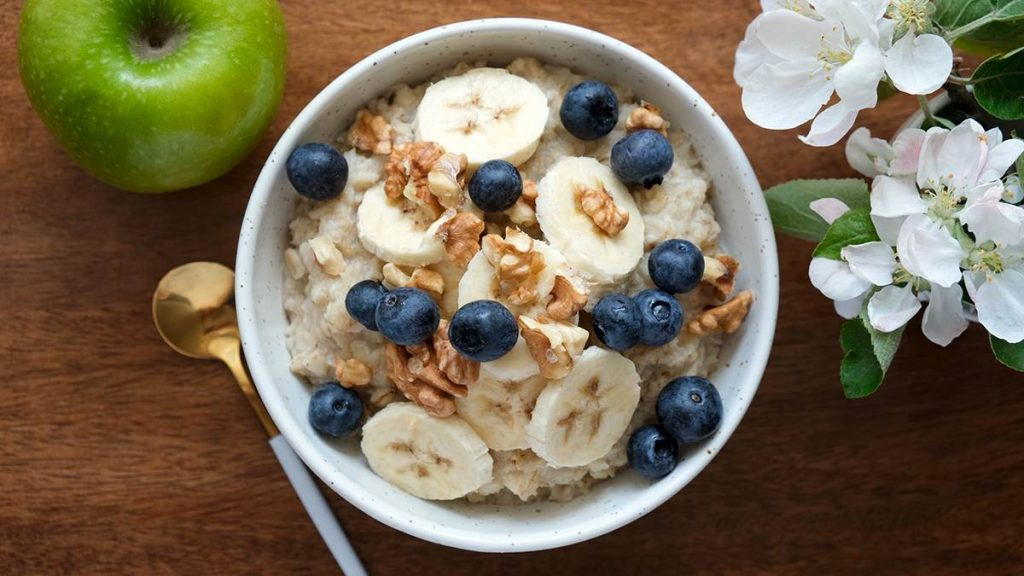
Breakfast is very important for cricket players because it gives energy for early morning training and helps start the day well. A good breakfast should have a mix of carbohydrates, protein, and healthy fats. Foods like oatmeal with milk, whole-grain bread with peanut butter, boiled eggs, fruits, and yogurt are great choices. These foods release energy slowly, so players can practice for a long time without getting tired.
Adding fresh fruit juice or a smoothie can give natural sugars and vitamins that help boost energy and start metabolism. Skipping breakfast can make players feel low on energy and reduce focus during games, which can affect performance on the field.
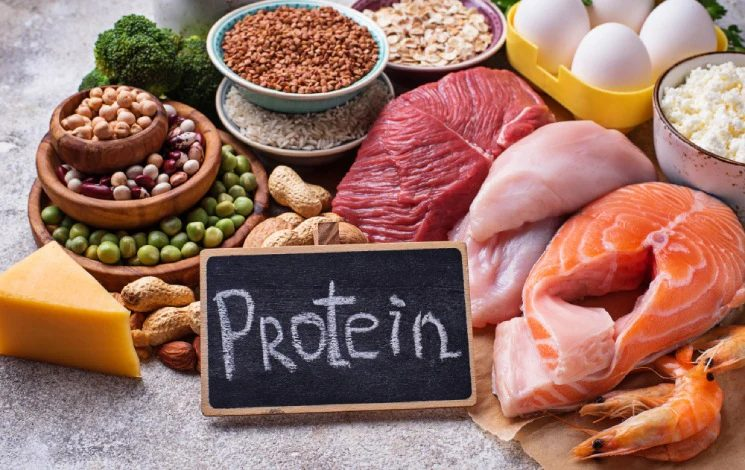
Protein is very important for cricket players because it helps build and repair muscles. Playing cricket involves a lot of running, batting, and bowling, which can tire out muscles. Eating foods with protein helps players recover faster after training and prevents muscle weakness. Good sources of protein include chicken, fish, eggs, lentils, beans, and tofu. Dairy products like milk, yogurt, and cheese also provide protein and calcium that strengthen bones.
After workouts, protein shakes made from whey or plant-based protein can help muscles grow and recover quickly. Eating enough protein regularly keeps cricket players strong, agile, and ready for long matches. Including protein in every meal ensures they have the energy and stamina needed on the field.

Carbohydrates are the main source of energy for the body, which is very important for cricket players who spend a long time on the field. Eating complex carbs, like whole grains, releases energy slowly, helping players stay active and strong for a longer time. Foods such as brown rice, oats, quinoa, whole-wheat pasta, sweet potatoes, legumes, and bananas are excellent sources of energy.
Before a match, players should eat a meal rich in carbohydrates to keep their energy steady throughout the game. After playing, a meal that includes both carbohydrates and protein is important to restore energy, refill the body’s glycogen stores, and help muscles recover quickly.
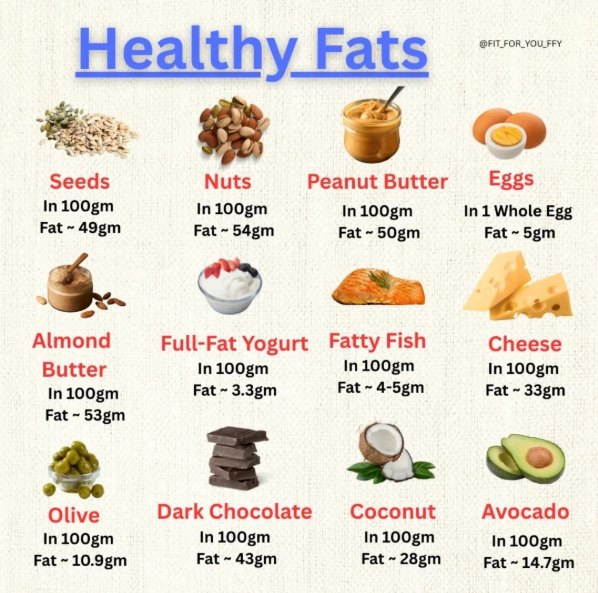
Fats often get a bad name, but they are very important for cricket players when eaten in the right amount. Healthy fats give the body a strong source of energy and help it absorb important vitamins like A, D, E, and K. Foods like avocados, nuts, seeds, olive oil, and fatty fish such as salmon are great choices to include in a diet.
These healthy fats also help the brain work better and reduce inflammation in the body, which is important for recovery after training or matches. On the other hand, cricketers should avoid too much unhealthy fat, like the saturated and trans fats found in fried or processed foods, because these can slow the body down and make players feel tired.

Eating a variety of fruits and vegetables gives cricket players the vitamins, minerals, and antioxidants their bodies need. These nutrients help the immune system stay strong, improve digestion, and reduce stress from long hours of practice and matches. Leafy greens like spinach and kale provide iron and calcium, which are important for strong bones and muscles. Citrus fruits like oranges and grapefruits are full of vitamin C, which helps the body recover faster.
Fruits like berries, apples, and bananas are perfect for snacks between meals, giving energy and nutrients without feeling heavy. By including different fruits and vegetables in every meal, cricket players can stay healthy, perform better on the field, and recover quickly after training or matches.

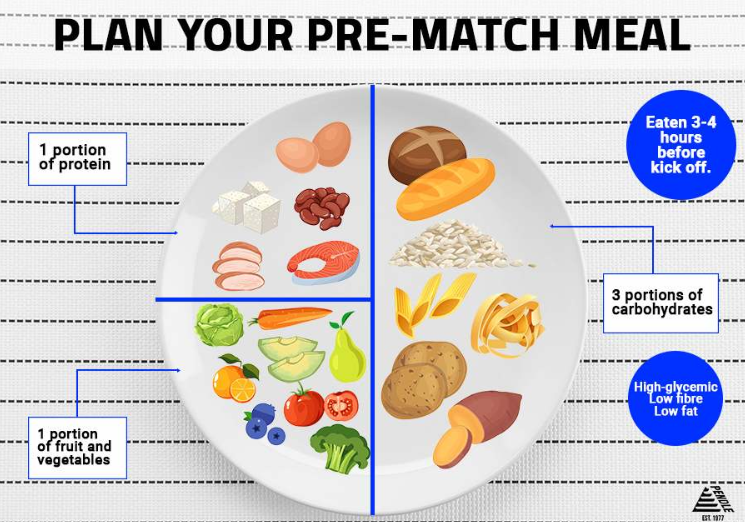
What a cricketer eats before a match can have a big effect on how they play. A good pre-match meal should have plenty of carbohydrates for energy and some protein to support muscles, but not too much fat or fiber, as these can make digestion harder. Some good choices are grilled chicken with rice, pasta with vegetables, or a sandwich with eggs and salad.
Players should eat this meal about 2–3 hours before the match so their body has time to digest it properly. They can also have a small snack or a piece of fruit about 30 minutes before the game to get an extra energy boost. Eating the right food before a match helps players stay strong, alert, and perform consistently throughout the game.
10 Best Cricket Bats Under 5000 Taka in Bangladesh
After a long and tiring match, the body needs the right food to recover and get stronger. Eating a meal with both carbohydrates and protein helps restore energy and repair muscles. Good options include grilled fish with sweet potatoes, chicken with brown rice, or a fruit protein smoothie. Drinking enough water is also important to replace the fluids lost through sweat.
Including foods rich in antioxidants, like berries and green tea, can help reduce muscle pain and swelling. This makes it easier for the body to recover faster and be ready for the next practice or match. A proper post-match meal helps players stay healthy and perform their best on the field.

Natural foods should always be the main part of a cricket player’s diet because they provide essential nutrients the body needs. However, supplements and superfoods can help improve performance when used carefully. Common supplements for cricketers include whey protein, omega-3 fish oil, multivitamins, and creatine. These can help repair muscles, give energy, and increase stamina.
Superfoods like chia seeds, flaxseeds, quinoa, and spinach are also very helpful because they are full of nutrients and can boost metabolism. But it is important for players to talk to a nutritionist or dietitian before using any supplements. This ensures that the supplement is safe and fits their personal needs and training goals.

The number one diet plan for cricket players is personalization. Every athlete’s body is different-what works for one may not work for another. Factors like age, training intensity, body composition, and playing position all affect dietary requirements. A professional nutritionist can create a personalized meal plan that matches a player’s specific goals-whether it’s building muscle, increasing stamina, or improving focus. Tracking daily intake, monitoring hydration, and adjusting meals based on performance feedback are key steps to long-term success. A personalized diet plan not only enhances performance but also ensures sustained health and longevity in a cricketing career.
A well-structured diet is as vital to a cricket player as regular practice and fitness training. The right nutrition fuels every stroke, every sprint, and every dive on the field. By following these Top 10 Diet Plans for Cricket Players, athletes can maintain peak physical condition, boost mental focus, and achieve consistent success in every match they play.