
Tooth-Colored Fillings: A Simple Solution for Cavities
Learn how tooth-colored fillings repair cavities, restore damaged teeth, and provide a natural-looking solution for a healthy smile.
Cavities are among the most common dental problems, affecting people of all ages. They develop when bacteria in the mouth produce acids that gradually weaken tooth enamel. Without treatment, decay can move deeper into the tooth, causing sensitivity, discomfort, and eventually more serious damage. Fortunately, many cavities can be repaired with a straightforward restorative treatment that protects the tooth while maintaining a natural appearance.
What Are Tooth Fillings?A dental filling is used to repair a tooth after decay has been removed. During the procedure, a dentist carefully cleans the affected area and fills the space with a durable restorative material. The filling restores the tooth’s shape and helps prevent food particles and bacteria from collecting inside the treated area. Modern materials can also be matched closely to the natural shade of the surrounding teeth.
A Natural-Looking OptionOne reason many patients appreciate modern fillings is their discreet appearance. Instead of creating a noticeable contrast with the tooth, a tooth-colored restoration can blend with the surrounding enamel. This can be particularly useful when repairing teeth that are visible when smiling, speaking, or laughing. The result is a restoration that supports the tooth without drawing unnecessary attention to the dental work.
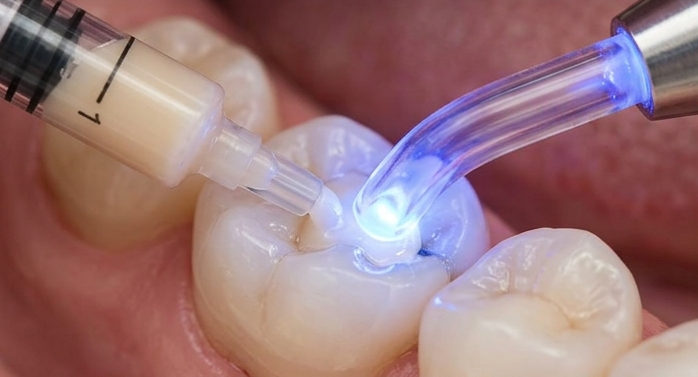
How the Procedure WorksThe process is usually simple and can often be completed during a routine dental appointment. First, the dentist examines the tooth and determines the extent of decay. Local anesthesia may be used to keep the patient comfortable. The decayed portion is then removed, and the prepared area is cleaned. The restorative material is placed in layers, shaped to fit the tooth, and hardened with a special light when appropriate. Finally, the dentist checks the bite and makes adjustments so the restored tooth feels comfortable.
Benefits for Everyday Dental HealthRestoring a cavity promptly offers several important benefits. It can stop existing decay from progressing and help preserve more of the natural tooth structure. A properly placed filling can also restore normal chewing function and reduce the chance of discomfort caused by exposed or weakened areas. Because the material can be shaped to match the tooth, it provides both functional support and an attractive result.
Caring for a Restored ToothGood oral hygiene remains important after receiving a filling. Brushing twice daily with fluoride toothpaste, cleaning between the teeth, and limiting frequent sugary snacks can help protect the restored tooth and neighboring teeth. Regular dental checkups allow a dentist to monitor the filling and identify new areas of decay early. Patients should also contact their dental office if they experience persistent sensitivity, pain, or a change in how the tooth feels when biting. These simple habits can extend the life of the restoration and help maintain healthy teeth and gums between appointments too.
A Practical Choice for Cavity TreatmentCavities do not always require complicated treatment, especially when they are detected early. With modern restorative techniques, tooth colored fillings can provide a practical way to repair decay while preserving a natural-looking smile. Discussing your options with a dentist can help determine the appropriate material and treatment approach based on the location, size, and condition of the cavity. Timely care can protect your smile and support comfortable, confident everyday dental health.
How Do You Choose the Best Retail Refurbishment Contractors UK?