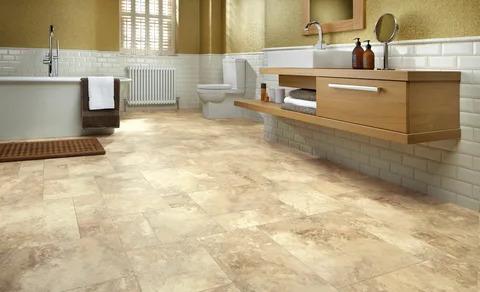
Tile Flooring Service in Texas Materials, Installation Methods, and Design Ideas That Stand Up to t
Flat subfloors, correct adhesives, proper spacing, and careful grouting decide whether tile looks beautiful for decades or cracks within a few years.
Tile has earned its place as one of the most trusted floor coverings in the country, and it is especially well suited to Texas. It stays cool underfoot during long summers, shrugs off humidity and spills, and holds up to heavy traffic without showing its age. But a tile floor is only as good as the work beneath it. Flat subfloors, correct adhesives, proper spacing, and careful grouting decide whether tile looks beautiful for decades or cracks within a few years. This guide explains the main tile types, how professional installation works, and what to consider when planning a project, with local notes for homeowners and businesses in Houston, Dallas, and Fort Worth.
Why Tile Works So Well in Texas Homes
Texas summers are long and hot, and tile naturally stays cooler than carpet or wood. That makes it comfortable in entryways, kitchens, sunrooms, and living areas where heat can build up. Tile is also resistant to moisture, so it copes well with humid air, spills, and the occasional plumbing leak without swelling or warping.
Durability is another strong point. Porcelain and ceramic resist scratches, stains, and fading from sunlight, and they do not harbor dust, pollen, or pet dander the way carpet can. For families with allergies, children, or pets, a hard, easy-to-clean surface is a practical advantage. Well-installed tile can also last for decades, which makes its long-term cost lower than many alternatives.
Types of Tile Flooring
Ceramic tile is made from clay fired at high temperatures and finished with a glaze. It is affordable, available in countless colors and patterns, and suitable for walls and low-to-moderate traffic floors. Porcelain tile is denser and less porous, which makes it tougher and more water resistant, so it suits busy kitchens, bathrooms, patios, and commercial spaces.
Natural stone tiles such as travertine, slate, granite, and marble offer unique color variation and a high-end look. They typically require sealing and more careful maintenance. Luxury vinyl tile and other tile-look products imitate the appearance of stone and ceramic with a softer feel, which can be useful in some rooms. Choosing among these options depends on budget, traffic, moisture exposure, and the style you want.
Choosing Size, Shape, and Pattern
Tile size shapes the look of a room. Large-format tiles create fewer grout lines and a clean, modern appearance that makes spaces feel larger. Smaller tiles provide better grip and work well on shower floors and around curves. Rectangular planks can mimic hardwood, and mosaic sheets add detail to accents and backsplashes.
Layout patterns matter too. Straight lay is the simplest and most economical, while diagonal patterns add visual movement and can make a narrow room feel wider. Herringbone and offset patterns give a custom, designer look but require more cutting and skill. A good installer will map the layout before starting so cuts fall in the least noticeable places.
Grout, Sealing, and Long-Term Appearance
Grout fills the joints between tiles and has a big effect on both appearance and maintenance. Cement-based grout is common but porous, so it needs sealing to resist stains. Epoxy grout is more stain and water resistant, which makes it a strong choice for kitchens, showers, and commercial spaces. Grout color also matters, since matching the tile creates a seamless look while contrasting grout highlights the pattern.
Sealing protects grout and natural stone from absorbing spills and dirt. Most sealers need to be reapplied every year or two, depending on traffic. Regular cleaning with a pH-neutral product keeps grout lines bright and prevents buildup.
Subfloor Preparation: The Step That Determines Success
Most tile failures trace back to preparation, not the tile itself. Tile is rigid, so any movement or unevenness in the subfloor can cause cracked tiles and broken grout lines. Installers check that the surface is clean, dry, structurally sound, and flat within the manufacturer's tolerance.
Texas soils can shift with seasonal moisture changes, and concrete slabs may develop hairline cracks over time. Professionals address these conditions with leveling compounds, crack isolation membranes, and in some cases uncoupling under layments that allow slight movement without transferring stress to the tile. Moisture testing is also important, especially on slabs, to prevent adhesion problems later.
How Professional Tile Installation Works
A quality installation follows a clear sequence. Old flooring is removed and the subfloor is repaired and leveled. Layout lines are marked so tiles sit square and evenly balanced in the room. Thin set mortar is spread with the correct trowel size, and each tile is pressed into place with consistent spacing, often using leveling clips to keep edges flush.
After the mortar cures, spacers are removed and grout is applied, packed into joints, and cleaned from the surface. Sealer is added when needed, along with flexible caulk at perimeters and transitions. Patience matters, since rushing curing times leads to loose tiles and weak grout. A careful crew will also protect nearby surfaces and leave the space clean.
Tile Flooring in Bathrooms, Kitchens, and Outdoor Spaces
Bathrooms and kitchens are where tile shines most. In bathrooms, slip-resistant textures and smaller tiles on shower floors improve safety, while waterproofing membranes behind and beneath tile protect the structure. In kitchens, durable porcelain handles dropped pans, spills, and constant foot traffic, and it pairs well with new cabinets and counter tops.
Texas patios, porches, and outdoor kitchens also benefit from tile made for exterior use. Outdoor-rated porcelain resists heat, rain, and fading, and textured finishes improve traction when wet. Many homeowners extend indoor tile through sliding doors to create a seamless indoor-outdoor feel.
Commercial Tile Flooring
Restaurants, retail stores, medical offices, schools, and lobbies all rely on tile for durability and easy cleaning. Commercial spaces need products rated for heavy traffic, with slip-resistant surfaces where floors may get wet. Large-format porcelain and epoxy grout reduce maintenance and hold up to frequent mopping and machine cleaning.
Scheduling is often the biggest concern for businesses. Experienced commercial crews plan phased installations, evening shifts, or weekend work so operations continue with minimal disruption. Choosing quality materials and proper installation methods reduces the risk of costly repairs and closures later.
Tile Flooring Service in Houston
Houston's humidity and heavy rainfall make tile a popular choice, since it resists moisture and is easier to recover after leaks or minor flooding than many other floor coverings. Porcelain is a common favorite for kitchens, bathrooms, and living areas, and outdoor-rated tile is widely used on patios and covered porches.
Because much of the region sits on expansive clay soil, slab movement is a real consideration. Crack isolation membranes and proper preparation help protect tile from stress. Homeowners often combine new tile with painting, cabinets, or bathtub conversions to complete a full room update.
Tile Flooring Service in Dallas
Dallas homeowners often choose tile for open living areas, entryways, and kitchens where durability and style both matter. Wood-look porcelain planks are especially popular because they offer the warmth of hardwood with far better resistance to scratches and moisture. Large-format tiles are also common in modern homes and condos.
The area's older neighborhoods and newer developments present different installation conditions, from aging subfloors to fresh concrete slabs. Commercial properties throughout the city use tile in lobbies, restaurants, and retail spaces where appearance and durability are equally important.
Tile Flooring Service in Fort Worth
Fort Worth blends historic homes, growing suburbs, and busy commercial areas, and tile suits all of them. Natural stone looks are popular in homes that want a rustic or Southwestern feel, while porcelain offers similar character with less upkeep. Older homes may need careful subfloor repair before new tile goes down.
Homeowners and business owners in Fort Worth also value tile for its performance in high-traffic areas such as kitchens, mudrooms, and entrances. Working with an experienced installer helps ensure the floor stays flat, tight, and attractive through the region's temperature swings.
How to Choose a Tile Flooring Contractor
Look for a licensed and insured contractor with solid reviews and photos of completed tile work, particularly projects similar to yours. Ask for a written estimate that lists materials, labor, demolition, subfloor preparation, waterproofing, grout, sealing, and cleanup. Compare the full scope rather than the price alone.
Ask about warranties, cure times, and how the crew handles uneven floors or unexpected repairs. Straight grout lines, tight edges, and clean cuts around fixtures are signs of skilled workmanship, so review past projects closely. Clear communication and a tidy job site are good indicators of a reliable professional.
Tips to Care for Tile Floors
Sweep or vacuum regularly to remove grit that can scratch the surface, and mop with a pH-neutral cleaner rather than harsh chemicals. Wipe spills promptly, especially on natural stone, which can stain or etch. Use mats at entrances and felt pads under furniture to reduce wear.
Reseal grout and stone on schedule, and repair cracked or loose tiles quickly to prevent moisture from reaching the subfloor. Keeping a few spare tiles from the original batch makes future repairs much easier, since color lots can vary between production runs.
Final Thoughts
Tile flooring combines comfort in the heat, resistance to moisture, and long-lasting durability, which is why it remains a favorite across Texas. The best results come from choosing the right material for each room, preparing the subfloor carefully, and relying on skilled installation and proper grout and sealing. Whether you are updating a single bathroom, renovating a kitchen, or outfitting a commercial space, a professional tile flooring service helps you get a floor that looks great and performs for years. If you own a home or business in Houston, Dallas, or Fort Worth, schedule an on-site consultation and request a written estimate to begin planning your project.
Frequently Asked Questions
1. Is porcelain or ceramic tile better for Texas homes?
Porcelain is denser and more water resistant, making it a stronger choice for high-traffic areas, bathrooms, and outdoor spaces. Ceramic works well for walls and lighter-use floors at a lower price.
2. How long does tile installation take?
A standard room usually takes two to four days, including preparation, setting, curing, and grouting. Larger projects, complex patterns, and subfloor repairs can extend the timeline.
3. Why do tiles crack after installation?
Common causes include an uneven or moving subfloor, slab cracks, poor mortar coverage, and skipped crack isolation. Proper preparation and correct materials greatly reduce the risk.
4. How often should grout be sealed?
Cement-based grout is typically sealed every one to two years, depending on traffic and moisture exposure. Epoxy grout usually does not require sealing.
5. Can tile be installed over existing flooring?
Sometimes, but it depends on the condition and type of the existing surface. Damaged, uneven, or flexible floors generally need to be removed or repaired first, and a professional inspection can confirm the right approach.
NBA 2K27 Lightning Launch Guide for Beginners by U4gm
Lightning Launch in NBA 2K27 is about the first move from the perimeter: it helps a ball h...

Deburring and Surface Finishing with a Magnetic Polishing Machine
Every cutting operation leaves an edge. Sometimes the result is a visible curl of metal at...

Selecting the Right Magnetic Polishing Machine for Precision Component...
Buying finishing equipment looks simple until the first batch arrives. A machine that prod...
How a Magnetic Polishing Machine Works in Precision Surface Finishing
Precision metal parts almost always leave the machine shop with problems that drawings do...
How Can Scalable Web Applications Support Long-Term Business Growth?
