
The World Stands with Iran
The historic meeting between Iranian President Masoud Pezeshkian and Washington’s top think-tank analysts represents a direct, unprecedented challenge to the intellectual architecture of the Western foreign policy establishment. By bypassing official state channels, the Iranian leadership went straight to the "scriptwriters" who manufacture the narratives of the national security state. This write up is about the bold act of intellectual warfare effectively confronted decades of failed Western interventionist models and unilateral sanctions policies.
أَعُوذُ بِاللّٰهِ مِنَ الشَّيْطَانِ الرَّجِيمِ
بِسۡمِ ٱللهِ ٱلرَّحۡمَـٰنِ ٱلرَّحِيمِ
In the name of ALLAH, the Most Gracious, the Most Merciful
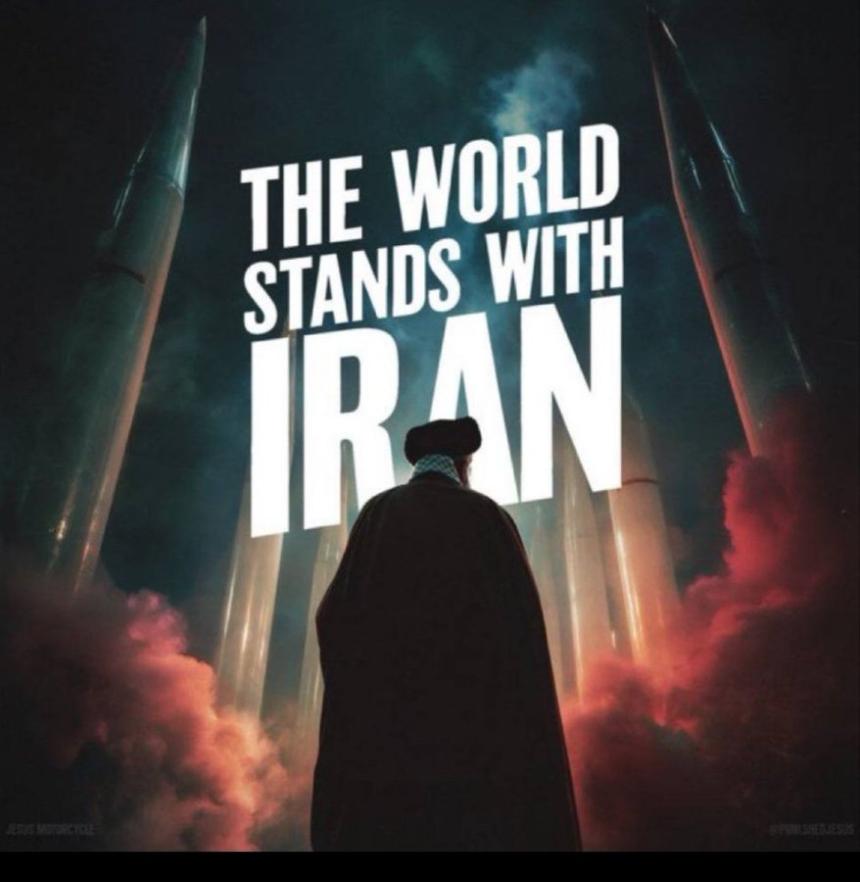
The World Stands with Iran
In the high-stakes theater of global geopolitics, the most critical battles are often fought not with missiles, but with narratives. When Iranian President Masoud Pezeshkian traveled to New York, his most significant encounter was not an address to the United Nations General Assembly, nor was it a backchannel diplomatic meeting with official State Department envoys. Instead, Pezeshkian sat down with the representatives of Washington’s prominent foreign policy think tanks—the very organizations that have spent decades drafting the blueprints for Iran’s isolation. According to observers critical of the American foreign policy establishment, this meeting represented a direct challenge to the intellectual architecture of the national security state.
The Intellectual Factories of the National Security State
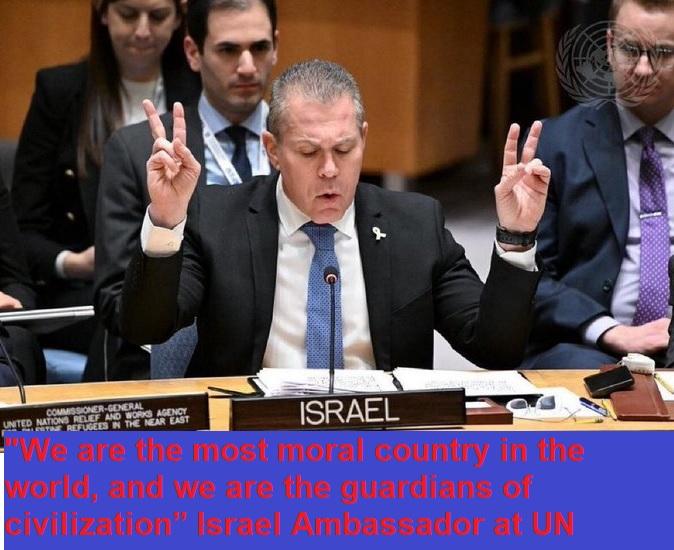
To understand the significance of this meeting, one must examine the role that institutions like the Brookings Institution, the Council on Foreign Relations, the Atlantic Council, and the Center for Strategic and International Studies (CSIS) play in Washington. Critics argue these organizations function as the intellectual factories of the American empire. They are the institutions where policy papers are drafted, talking points are refined, and public consent for foreign interventions is manufactured.
Funded heavily by defense contractors, multinational energy corporations, and foreign governments, these think tanks operate as a revolving door between official government agencies and supposedly independent analysis. A retired general transforms into a "senior fellow"; a former ambassador becomes a "distinguished scholar." Together, they write the policy frameworks that have historically paved the way for American interventions across the Middle East, from Iraq and Libya to Syria.
Pezeshkian did not sit down with these analysts to offer them an easy exit strategy or a narrative to excuse past miscalculations. He was there to deliver a stark message: you were wrong, you are wrong, and you will keep being wrong until you accept the reality of Iran, the broader Global South, and the profound impact of Islam on ideology and how people respond to aggressors. His presence served as a direct indictment of the entire agenda-driven, military-enforced framework that Western powers have attempted to implement globally since World War II—asserting that this interventionist paradigm has fundamentally failed and can no longer be sustained.
The Failure of the "Maximum Pressure" Narrative
For decades, these institutions produced a steady stream of reports advocating for a policy of "maximum pressure" against the Islamic Republic of Iran. The narrative was consistent: severe sanctions would collapse the Iranian economy, isolate the regime, and force Tehran to its knees.
However, the reality on the ground has challenged these predictions. Despite facing one of the most stringent sanctions regimes in modern history, the Iranian state did not collapse. Its economy adapted by forging new trade alliances outside the Western financial system, and its regional influence remained intact. By sitting down with the leadership of these very think tanks, Pezeshkian was confronting an intellectual establishment whose long-held models regarding Iran had repeatedly failed to materialize.
During these meetings, he drove home foundational realities that upended their core assertions: Iran did not start the war; Iran did not close the Strait of Hormuz; Iran is not seeking a nuclear bomb. He made it clear that Tehran is entirely ready for inspections and stands prepared to implement the nuclear memorandum. In this framing, Iran is not the obstacle to peace—the United States is.
Furthermore, he presented them with a reality that fundamentally undermines their entire worldview: the policy of maximum pressure failed, the wars failed, the sanctions failed, the blockade failed, and the regime-change plots failed. Iran is still standing, the Axis of Resistance is stronger than ever, and U.S. influence in the region has hit historic lows, rendering these hawkish think tanks increasingly irrelevant. Pezeshkian's message signaled that the world demands a systemic change—a shift away from hegemonic agendas, a transformation in global discourse, and an end to crippling sanctions enforced by any global superpower or bully. The era of polar politics and exclusionary alliances must give way to a global order where respect for human beings is established on a truly equal basis.
Bypassing the State to Target the Scriptwriters
Pezeshkian’s engagement with these analysts was not traditional diplomacy; it was an act of intellectual warfare. Recognizing that the White House, Congress, and the press rely on think tanks to frame foreign policy debates, the Iranian president chose to bypass official government channels to engage directly with the people who write the briefing papers.
During these discussions, Pezeshkian delivered a consistent, defiant message that challenged the foundational assumptions of Western media:
• Defensive Posture: Iran did not initiate the regional conflict and has no desire to close the Strait of Hormuz.
• Nuclear Compliance: Iran is not seeking a nuclear weapon, remains open to international inspections, and is prepared to return to the terms of the nuclear memorandum if Western powers do the same.
• The Failure of Sanctions: The Western policy of economic blockade and regime change has failed, leaving the Iranian government standing and the U.S. position in the region complicated.
Change is Inevitable: How a Magazine Cover Shifted in 470 Days
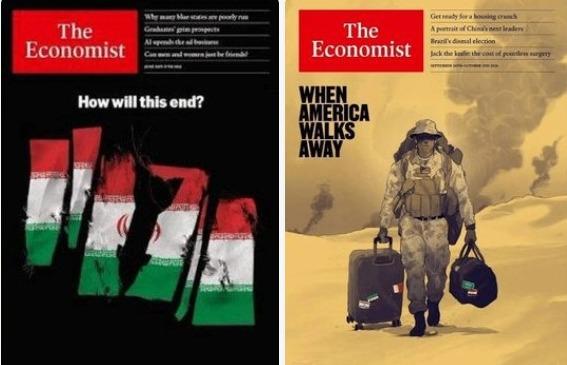
The inevitability of this shifting global dynamic is perfectly captured by how the Western establishment's own media has been forced to change its tune. It took just 470 days for the cover of The Economist to dramatically shift from predicting “The End of the Islamic Republic of Iran” to questioning “The End of America’s Presence in the Middle East.”
During this intensive period, Iran weathered immense geopolitical storms, including the 12-day war and the Ramadan war. Simultaneously, Washington unleashed what the U.S. Treasury Secretary openly described as the heaviest, most crushing economic pressure campaign in human history against the Iranian state.
Yet, the narrative factories could not sustain their own illusions. The Economist—which during the height of the 12-day war confidently featured the Iranian flag draped behind a missile with the ominous headline “What will happen in the end?”—was ultimately forced to pivot. Its subsequent imagery depicted a defeated American soldier, accompanied by a stark, sobering question: “What happens when America withdraws?” This dramatic editorial about-face stands as undeniable proof that the ground has permanently shifted beneath the empire's feet.
Conclusion: Confronting the Policy Establishment
By taking his message directly to Washington's policy elite, Pezeshkian sought to expose the disconnect between think-tank theory and geopolitical reality. He did not offer the foreign policy establishment an easy narrative to excuse past miscalculations. Instead, his presence served as a direct reminder that decades of aggressive policy recommendations had failed to achieve their ultimate objectives. For an intellectual establishment accustomed to dictating the terms of global discourse, being forced to listen to the leader of a country they had long predicted would fall was a stark demonstration of changing geopolitical realities.
Supporters look at this exchange and see a profound display of courage, patience, and wisdom springing from deep faith—qualities they feel are severely lacking in Western governments. From this perspective, one can only pray that God continues to bless Iran's President and Foreign Minister with even greater wisdom and forbearance. May these Western think tanks finally learn from both leaders to accept the truth rather than manufacture lies, and may their consciences remind them to pursue what is genuinely good. For too long, critics argue, these institutions have been consistently wrong, serving wealthy Zionist and imperial interests to build narratives that justify aggressive actions through corporate media. This historic confrontation serves as a definitive call for those scriptwriters to abandon falsehoods and acknowledge the unyielding reality of a sovereign Iran.
Ultimately, the international community increasingly views Iran as a powerful metaphor for the shifting tectonic plates of global politics. For decades, the world operated under a rigid unipolar model dictated by Washington, where defiance resulted in immediate economic destruction or military overthrow. By successfully weathering the absolute maximum threshold of Western coercion, Iran has proven to the Global South that the unipolar order is no longer absolute. Today, Iran stands as a crucial pillar in an emerging multipolar world, demonstrating that resistance is viable and that a diverse coalition of sovereign nations can dismantle hegemony to establish a balanced, fairer international system.
NOTE: The above written with AI assistance.
What a Grain Is, and Why 50, 55, 62, 130 and 168 Keep Showing Up on th...
A grain is 1/7000 of a pound. Choosing a bullet weight is mostly a matter of what your bar...


Furadeira de Impacto: Como Escolher, Utilizar e Aproveitar Seus Benefí...
Furadeira de Impacto: Como Escolher, Utilizar e Aproveitar Seus Benefícios