The Ultimate Guide to Warehouse Management Systems, Inventory Management Software, and Procurement Solutions
Efficient supply chain management is the backbone of any business that deals with physical products. Whether it’s a small retail store or a large manufacturing enterprise, keeping track of inventory, managing warehouses, and handling procurement processes are critical tasks. This is where Warehouse Management Systems (WMS), Inventory Management Software, and Procurement Software come into play.
Understanding Warehouse Management Systems (WMS)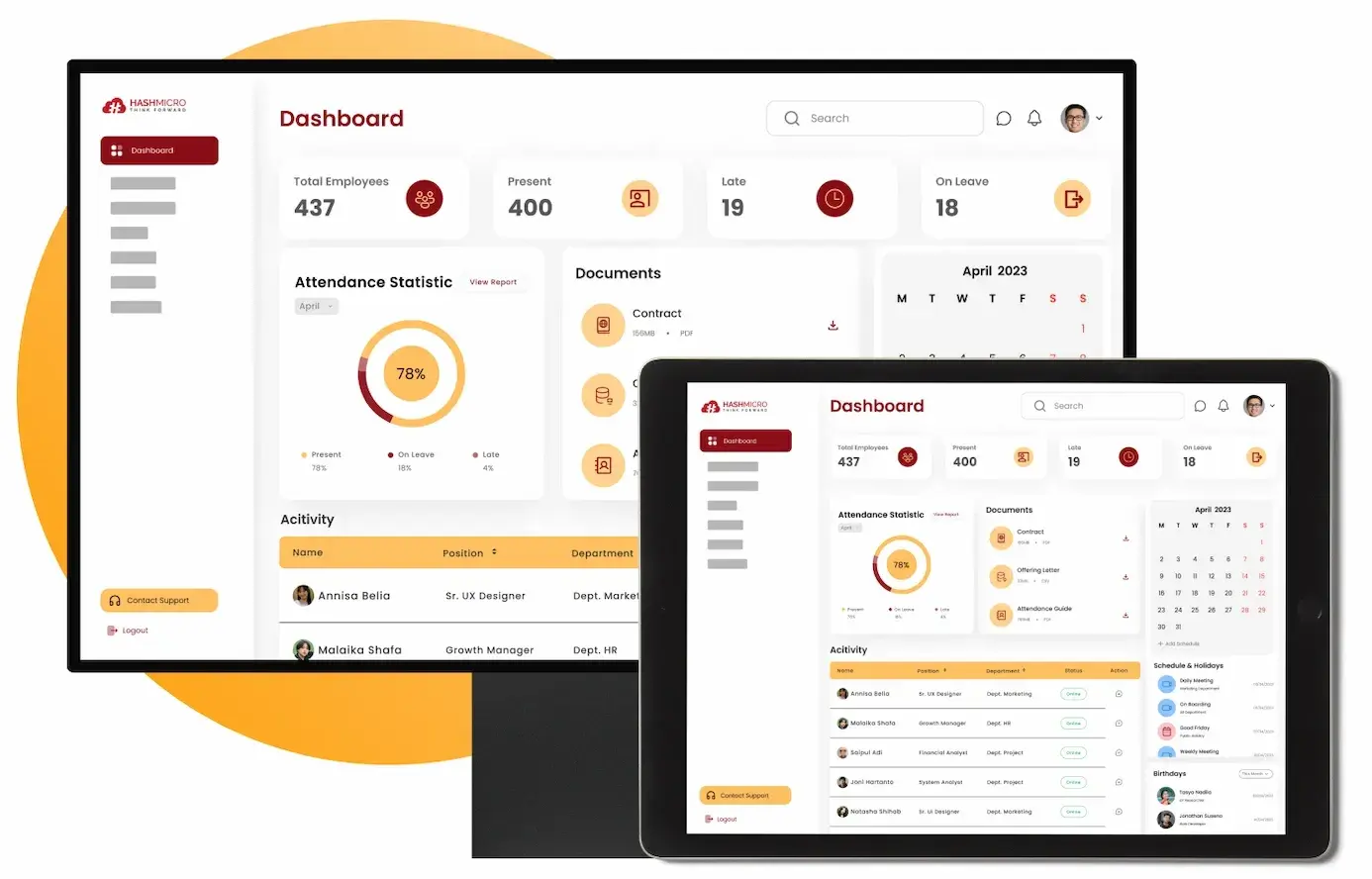
A Warehouse Management System (WMS) is a powerful software solution designed to control and optimize warehouse operations. It helps businesses manage inventory storage, track product movement, and streamline processes such as picking, packing, and shipping.
A WMS ensures that warehouse operations are organized and efficient. By automating routine tasks, it reduces human error and improves productivity. Businesses can gain real-time visibility into their warehouse activities, enabling better decision-making and faster response times.
Core Functions of Warehouse Management SoftwareWarehouse management software is equipped with advanced features that enhance operational efficiency:
Inventory Control and VisibilityA WMS provides real-time insights into stock levels and inventory locations. This ensures that businesses always know what they have and where it is stored.
Order Fulfillment OptimizationFrom receiving orders to shipping them out, a WMS automates the entire fulfillment process. It ensures accurate picking and timely delivery.
Space UtilizationEfficient warehouse layout planning helps maximize storage capacity while maintaining easy access to goods.
Labor ManagementThe system tracks employee performance and optimizes task allocation, improving workforce productivity.
Integration CapabilitiesModern WMS solutions integrate seamlessly with other business systems such as ERP, accounting, and e-commerce platforms.
What is an Inventory Management System?An Inventory Management System is designed to track and manage stock levels across multiple locations. It ensures that businesses maintain optimal inventory levels to meet customer demand without overstocking.
Inventory management software helps businesses monitor stock movement, manage reordering processes, and maintain accurate records. It plays a crucial role in preventing losses due to stock discrepancies or inefficiencies.
Benefits of Inventory Management SoftwareReal-Time TrackingBusinesses can monitor inventory levels in real time, ensuring accurate stock information.
Reduced Operational CostsEfficient inventory management minimizes storage costs and reduces waste.
Demand ForecastingAdvanced systems use historical data to predict future demand, helping businesses plan better.
Improved Order AccuracyAutomation reduces errors in order processing, ensuring customers receive the correct products.
Multi-Location ManagementBusinesses with multiple warehouses or stores can manage inventory seamlessly across all locations.
Difference Between WMS and Inventory Management SoftwareAlthough closely related, WMS and inventory management systems serve different purposes:
- Warehouse Management System (WMS): Focuses on physical warehouse operations such as storage, picking, and shipping.
- Inventory Management Software: Focuses on tracking stock levels, forecasting demand, and managing inventory data.
Many modern solutions combine both functionalities, offering an all-in-one platform for businesses.
Choosing the Best Inventory Management SoftwareSelecting the best inventory management software requires careful consideration of several factors:
Scalability and FlexibilityThe software should be able to grow with your business and adapt to changing needs.
Ease of UseA user-friendly interface ensures quick adoption and reduces training time.
Automation and AI CapabilitiesLook for features like automated reordering, predictive analytics, and intelligent reporting.
Integration with Other SystemsThe software should integrate with existing tools such as accounting systems, CRM, and procurement software.
Security and Data ProtectionEnsure the system provides robust security features to protect sensitive business data.
Cloud vs On-PremiseCloud-based solutions offer flexibility and remote access, while on-premise systems provide greater control over data.
Procurement Software: Streamlining Purchasing ProcessesProcurement software is designed to manage the purchasing of goods and services. It automates the procurement cycle, from supplier selection to payment processing.
This software helps businesses control spending, improve supplier relationships, and ensure timely procurement of materials.
Key Features of Procurement SoftwareSupplier Database ManagementMaintains detailed records of suppliers, including pricing, performance, and contracts.
Purchase Order AutomationSimplifies the creation, approval, and tracking of purchase orders.
Budget ManagementHelps businesses stay within budget by tracking expenses and identifying cost-saving opportunities.
Contract ManagementEnsures compliance with supplier agreements and contract terms.
Analytics and ReportingProvides insights into procurement performance and spending patterns.
Integration of WMS, Inventory Management, and ProcurementIntegrating these systems creates a unified and efficient workflow:
- Inventory management systems monitor stock levels and trigger reorder alerts.
- Procurement software handles purchasing and supplier coordination.
- Warehouse management systems manage storage and order fulfillment.
This integration eliminates data silos and ensures smooth communication across departments.
Industry ApplicationsRetailRetail businesses use these systems to manage stock across multiple stores and warehouses, ensuring product availability.
E-CommerceOnline businesses rely on WMS and inventory systems to handle high order volumes and fast deliveries.
ManufacturingManufacturers use procurement software to source raw materials and inventory systems to manage production stock.
Logistics and DistributionLogistics companies use WMS to optimize storage, routing, and delivery processes.
Challenges in ImplementationWhile these systems offer numerous benefits, businesses may face challenges during implementation:
- High initial costs
- Resistance to change from employees
- Integration complexities
- Data migration issues
Proper planning, training, and choosing the right vendor can help overcome these challenges.
Future of Warehouse and Inventory ManagementThe future of warehouse management and inventory systems is shaped by technological advancements:
Artificial Intelligence and Machine LearningAI-driven systems will provide more accurate demand forecasting and decision-making.
Robotics and AutomationAutomated warehouses with robots will significantly improve efficiency and reduce labor costs.
Blockchain TechnologyBlockchain will enhance transparency and security in supply chain operations.
Mobile AccessibilityMobile apps will allow managers to monitor and control operations from anywhere.
Sustainability FocusBusinesses will adopt eco-friendly practices in warehousing and inventory management.
ConclusionWarehouse Management Systems, Inventory Management Software, and Procurement Software are essential components of modern supply chain management. They help businesses optimize operations, reduce costs, and improve customer satisfaction.
Investing in the right technology enables businesses to stay competitive in an increasingly complex market. By integrating these systems, companies can achieve greater efficiency, accuracy, and scalability in their operations.