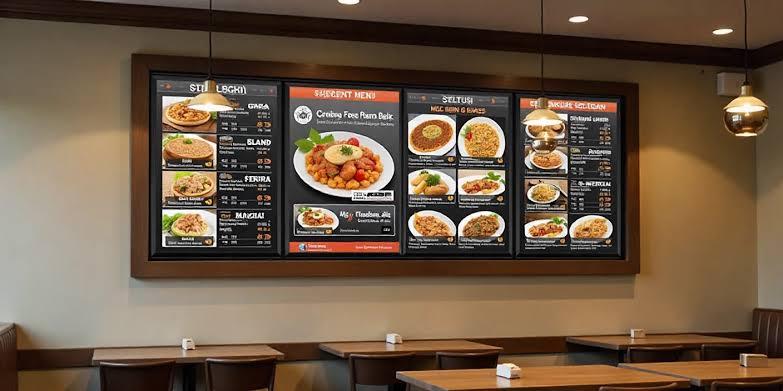

The Ultimate Guide to Restaurant Digital Menus and Digital Menu Boards
The restaurant digital menu and restaurant digital menu board have become integral parts of contemporary food service restaurants today.
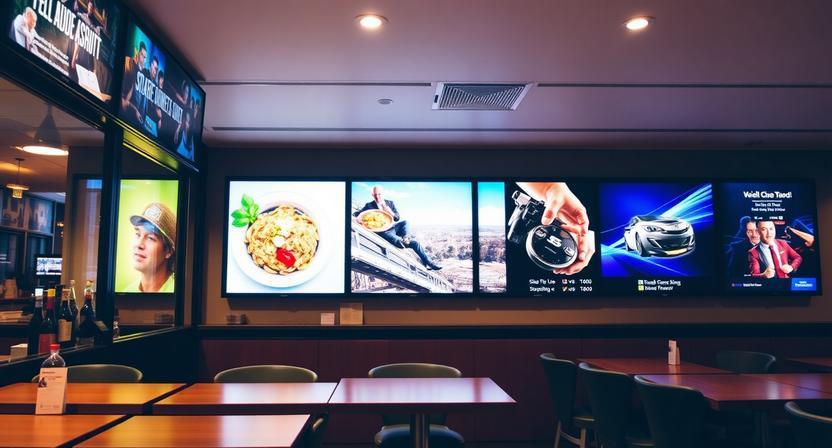
Introduction: The Shift from Static to Dynamic Displays
The hospitality industry is experiencing a seismic change in the way restaurants interact with their customers. Gone are the times when a printed menu or a dusty chalkboard was enough to draw the attention of diners. The restaurant digital menu and restaurant digital menu board have become integral parts of contemporary food service restaurants today. These interactive screens are not just about replacing paper with pixels. They represent a redesign of the customer experience, combining visual psychology, operational effectiveness, and real-time information to make dining both profitable and engaging.
With changing consumer needs for instant gratification and visual presentation, restaurants that do not implement digital menu solutions may lag behind. Whether it is a fast-burger shop, a fancy restaurant, or a busy family restaurant, having a well-built digital menu is no longer a luxury. It is a survival and growth need in an increasingly competitive market.
What is Restaurant Digital Menu Board
A restaurant digital menu board is an interactive electronic menu board that presents menu items, prices, promotions, and nutritional information on high-definition screens. These boards are not the same as old-fashioned static menu boards. They are supported by advanced software that enables restaurant owners to post menu updates in real time across various locations. They serve as the main point-of-sale interface in fast-food settings and as stylish digital additions in fine dining rooms.
The main difference between a normal digital display and a specific restaurant digital menu board is its integration. These systems are programmed to integrate with Point of Sale (POS) terminals, kitchen display systems, and inventory management software. This connectivity makes sure the information shown to the customer is always accurate, current, and representative of the restaurant’s real operating situation.
The Main Advantages of Adopting a Digital Menu System
Improved Customer Service and Appeal
The quickest advantage of switching to a digital menu is the radical improvement in visual presentation. Sizzling steaks, rotating 3D-style views of gourmet burgers, or close-ups of glistening desserts awaken the appetite centers of the brain much more effectively than plain text. A properly developed restaurant online menu takes advantage of motion and color psychology to attract the customer’s eye toward high-profit margin products. Such sensory stimulation minimizes decision paralysis caused by large menus and allows customers to order quicker and with more confidence.
Speed and Accuracy of Orders
Miscommunication is a profitability killer in a busy kitchen. Digital menu boards can be combined with kitchen printers or display screens, making sure that changes, special orders, and allergen notifications are sent directly to the back of house. This integration significantly reduces order errors, resulting in less food waste and higher customer satisfaction. Moreover, restaurants can control guest expectations by showing estimated wait times or sold-out items in real time, avoiding frustration before it begins.
Pricing Dynamics and Updating in Real Time
The fact that the restaurant digital menu board can be adjusted in real time is perhaps its greatest strength. Lunch menus can automatically shift into dinner service at a certain time of the day without staff involvement. Seasonal ingredients can be advertised when fresh stock arrives, and items with low inventory can be temporarily removed so that customers do not order unavailable products. Additionally, dynamic pricing programs, like happy hour deals or early-bird specials, can be executed at the touch of a button. This allows restaurants to control traffic flow and maximize revenues during peak and off-peak times.
Strategic Upselling to Increase Profit Margins
Online menus are silent salespeople. These boards boost average check size by strategically placing chef recommendations, “most popular” badges, or pairing suggestions, such as “this burger is a great match with our truffle fries.” Research has established that when digital menus emphasize combo upgrades or premium add-ons, restaurants can see sales increases of up to 20–30 percent. The ability to loop high-margin items on the screen while customers wait makes upselling consistent and painless.
Key Characteristics of a Good Digital Menu Board
Clear, Sharp Visuals and Branding Uniformity
The brand identity of a restaurant should shine in all digital interactions. The software that drives menu boards must be able to handle 4K resolution images, custom fonts, and branded color schemes. Consistency across all screens, whether at the drive-thru, front counter, or lobby, strengthens brand trust and professionalism. Image quality should not be compromised. Grainy or dark pictures will not help anyone, so professional food photography is a requirement for a successful rollout.
Incorporation with POS and Inventory Systems
The real strength of a digital menu appears when it is linked to the working backbone of the restaurant. Real-time integration with the POS ensures that when prices are altered in the system, they update automatically on all screens. Inventory management can be integrated to automatically flag sold-out items. This automation reduces the mental burden on employees, enabling them to concentrate on service rather than administrative fixes.
Capabilities of Content Management System CMS
The core of every digital menu solution is a user-friendly Content Management System. Managers should be able to plan content weeks ahead, build dayparting rules for breakfast, lunch, and dinner, and conduct promotional campaigns without needing an IT degree. The most effective CMS systems provide drag-and-drop features, template libraries, and cloud-based connectivity, which enables remote management of franchise locations or different units.
Design Best Practices for Maximum Impact
The 3 Second Rule Clarity and Speed
The approach to designing a restaurant digital menu should not be the same as designing a brochure. You have about 3 seconds to get the attention of a customer and deliver the main message. Avoid clutter. Use large fonts with strong contrast against the background. Organize group items logically, such as Appetizers, Mains, Sides, and Beverages, and divide categories with visual cues such as borders or background shading. To avoid confusion, price tags should be bold and positioned close to the item they belong to.
Strategic Location and Perspectives
The physical location of digital menu boards is as important as the content shown on them. Screens have to be placed at a comfortable eye level, considering the queue line and the average distance of the customer from the counter. Do not place screens directly in the sun or under strong ambient light that may create glare. In drive-thrus, sunlight-readable and weatherproof screens are necessary. Several screens spaced along the queue line can support faster decision-making because customers can browse before reaching the register.
Addressing Typical Implementation Issues
Although digital menus have many advantages, adoption also comes with challenges. Initial hardware costs, such as commercial-grade screens, media players, and mounts, along with software licensing, can be a significant initial cost. The Return on Investment (ROI), however, is usually achieved in 12 to 18 months as sales increase and printing costs decrease. Another obstacle is content fatigue; menu visuals need to be updated regularly, otherwise customers stop noticing them. Create a content schedule that switches images, showcases different specialties, and keeps up with holidays or local events to keep content fresh.
Staff training is also essential. Employees should know how to solve simple technical problems, refresh content, and use pause or emergency features in case of a system malfunction. With a specific IT support plan, it is possible to reduce downtime and protect customer service.
The Future of Restaurant Digital Menu Technology
The restaurant digital menu board is developing at a very fast rate. Artificial Intelligence (AI) is starting to play a role, as smart menus can scan weather patterns, nearby events, and even loyalty data to offer something customers are likely to want. For example, a system could automatically promote a cold drink on a hot day or a heavy pasta meal on a rainy night.
Interactive and phygital (physical + digital) experiences are also emerging. QR codes on digital boards help customers access the menu on their smartphones and view nutritional information or ingredient source stories in more detail. AR is also part of the future, where customers may point their phones at the board to view a 3D hologram of a dish spinning on their table. Moreover, with sustainability becoming a worldwide concern, e-paper displays with low power consumption are becoming popular as alternatives to conventional LED displays to reduce the carbon footprint of digital signage.
Summary Digital Dining Experience
To sum up, the restaurant digital menu is not just a technological trend. It is a strategic tool that leads to profitability, improved working processes, and a better guest experience. Restaurants can create an environment that responds to both business and consumer needs by replacing static, unresponsive signage with active, smart displays.
The benefits are clear, whether it comes to improving order accuracy, reducing wait times, or increasing sales through strategic visual merchandising. Although implementation requires careful planning, design, and investment, the long-term returns in customer loyalty, brand perception, and bottom-line revenue make it a move well worth making. In a world full of digital stimuli, an effective digital menu board can make a restaurant stand out, as the food is not only tasted, but also seen and remembered.


How Hospital Optical Stores Improve Patient Care and Hospital Services
Discover how a hospital optical store partner in India can improve patient convenience, st...