
The Surprising Ways Spray Foam Insulation Protects Your Roof
Discover how spray foam insulation protects your roof, boosts energy efficiency, prevents leaks, and extends its lifespan year-round.
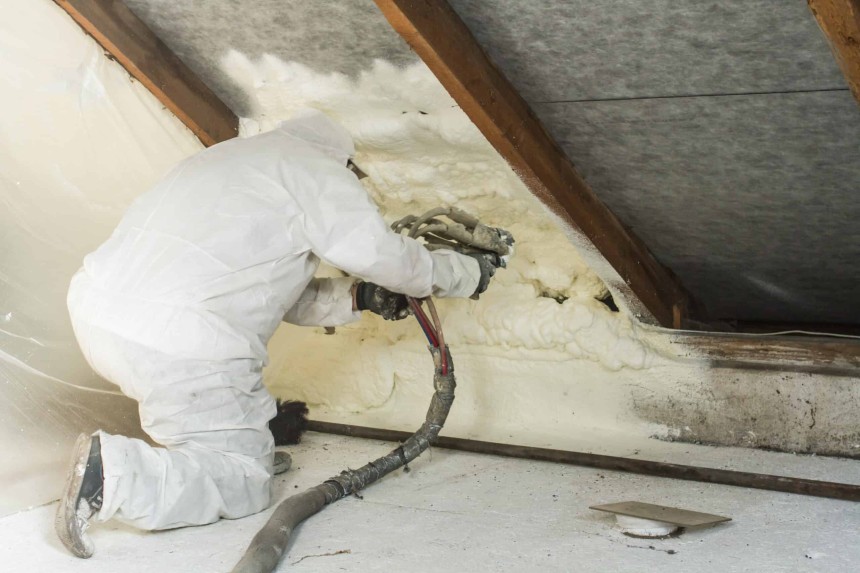
Spray Foam Insulation shields roofs by blocking air leaks, stopping moisture buildup, and strengthening thermal control. It seals gaps in attic spaces and roof decks to reduce heat loss and water damage.
Proper installation limits condensation under roofing materials. It also lowers stress on roof structures during extreme weather changes.
Market trends show demand for high-performance spray foam insulation rising as energy efficiency standards increase. Buildings with tight air sealing often cut energy loss by noticeable margins each year.
Roof protection starts with controlling airflow and moisture movement. Spray foam expands to fill cracks and joints in roof assemblies.
It creates a sealed layer that blocks warm air from reaching cold surfaces. This reduces condensation under shingles and metal roofing.
Air leaks commonly occur at joints, vents, and framing gaps.
- Seals gaps between rafters and roof sheathing
- Blocks air movement around skylights and chimneys
- Reduces heat escape through attic spaces
Strong air sealing improves indoor comfort. It also lowers strain on heating and cooling systems.
Roof cavities often collect moisture when warm air meets cold surfaces. Spray foam limits that risk by restricting vapor flow.
It reduces water droplets forming on wood framing.
It limits mold risk caused by trapped humidity.
It protects insulation layers from damp damage.
Industry data shows buildings with improved air sealing can reduce unwanted air leakage by up to 30 percent. That reduction directly supports better roof durability.
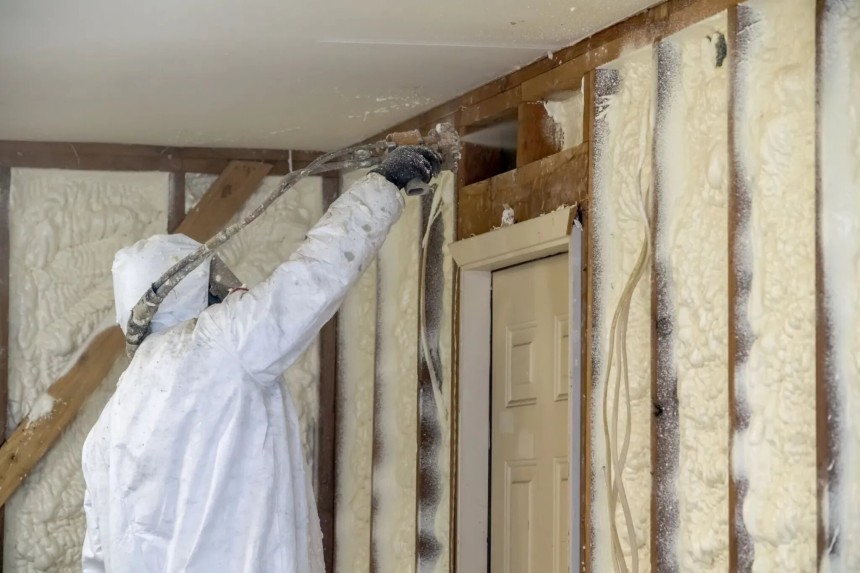 Thermal Performance and Energy Savings
Spray Foam Insulation improves thermal resistance across roof assemblies. It slows heat transfer during hot and cold seasons.
Consistent temperature control reduces expansion and contraction of roofing materials.
- Keeps attic temperatures closer to indoor levels
- Lowers heat buildup in summer
- Reduces ice dam formation in winter
Energy reports indicate well-insulated roofs can cut heating loss through attics by significant amounts compared to poorly sealed roofs.
Feature
Spray Foam Insulation
Traditional Fiberglass
Air Sealing
Full gap coverage
Limited sealing
Moisture Barrier
Strong resistance
Low resistance
Thermal Stability
High performance
Moderate performance
Longevity
Long-term adhesion
May settle over time
This comparison highlights how material choice affects roof protection.
Climate conditions influence insulation performance. Roof systems react differently in cold and humid regions.
Cold areas face frost buildup and ice dam risks.
Spray Foam Insulation helps by:
- Sealing warm air leaks into attic spaces
- Reducing heat escape through roof decks
- Limiting snow melt cycles that create ice dams
Hot regions bring high moisture levels and heat exposure.
Proper foam thickness:
- Blocks hot air infiltration
- Reduces condensation under metal roofing
- Maintains stable indoor cooling demand
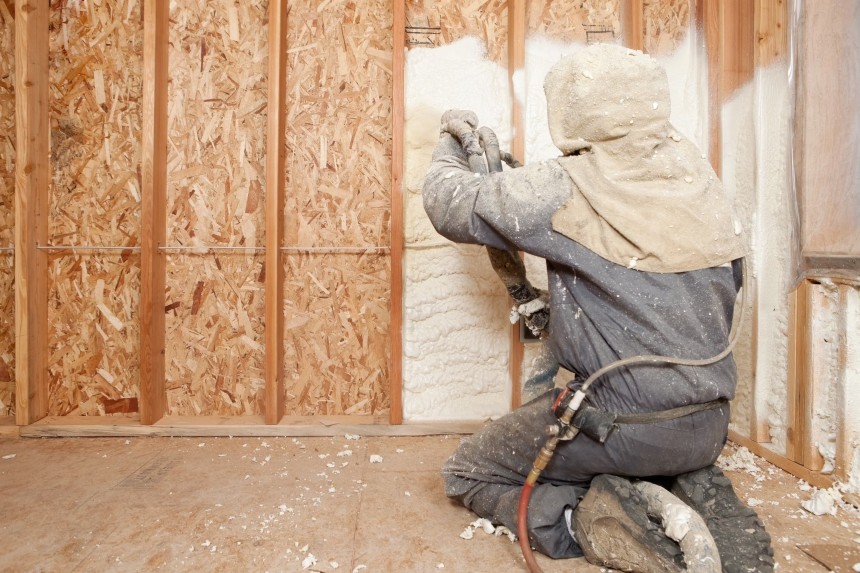 Installation Techniques That Improve Roof Durability
Correct application determines performance. Thickness and coverage must match roof design.
Installers apply foam in measured layers to ensure full expansion and adhesion.
- Spray evenly across roof deck surfaces
- Cover gaps between structural joints
- Inspect for missed spots after curing
Proper preparation improves long-term results.
- Test roof moisture levels before installation
- Repair damaged sheathing before spraying foam
- Combine foam with proper attic ventilation when required
These steps improve durability and prevent hidden damage.
Property owners should review key factors before installing insulation on a roof.
- Roof age and structural condition
- Existing ventilation systems
- Local building code requirements
- Budget for material thickness and labor
A professional inspection helps determine if the roof needs repair before insulation.
Working with a trusted Spray Foam Insulation Company ensures correct evaluation and application.
Spray Foam Insulation protects roofs by sealing air leaks, blocking moisture, and improving thermal control. It strengthens roof performance in both cold and warm climates.
Proper installation makes the difference in long-term durability. Property owners should review their roof condition and insulation needs before starting.
Selkirk Energy Solutions offers guidance on roof insulation and air sealing projects. Their team applies proven methods to improve protection and energy efficiency.
They can be reached at:
Email: [email protected]
Phone: (208) 295-9780
Connecting with experienced Spray Foam Insulation Services helps property owners choose correct materials and coverage for their roof system.
It does not repair active leaks. It seals gaps and reduces moisture risk when installed over a sound roof structure.
It can last decades with proper installation and protection from physical damage.
Yes. It reduces heat loss through the roof deck, which limits snow melting and refreezing at eaves.
Yes. It adheres well to metal surfaces and improves thermal stability when applied correctly.
The material is lightweight after curing. It adds minimal load compared to other roofing layers.
Reviewer: With 11 years in the spray foam field, Aiden Baker reviewed this content and provided advice on building steady growth through practical, honest communication.


What a Grain Is, and Why 50, 55, 62, 130 and 168 Keep Showing Up on th...
A grain is 1/7000 of a pound. Choosing a bullet weight is mostly a matter of what your bar...


Furadeira de Impacto: Como Escolher, Utilizar e Aproveitar Seus Benefí...
Furadeira de Impacto: Como Escolher, Utilizar e Aproveitar Seus Benefícios