
The Science of the Permanent Seal: How Spray Foam Insulation Blocks Outdoor Pollutants
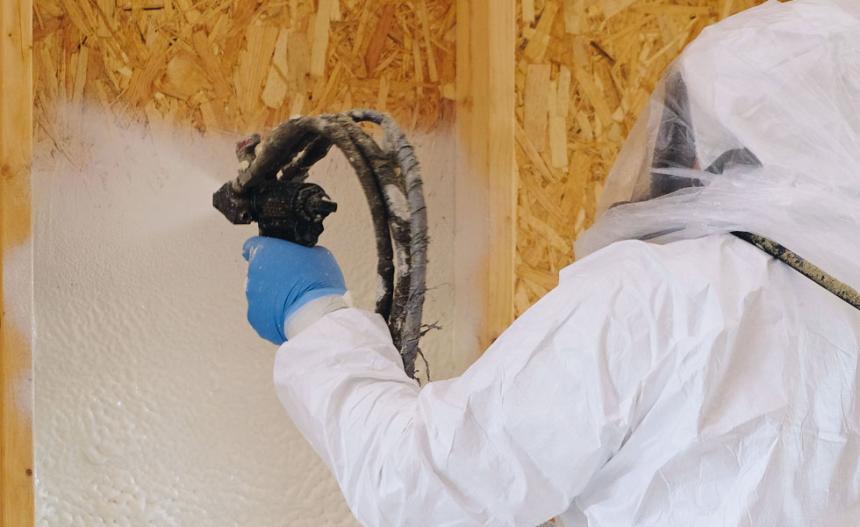
Spray foam insulation blocks outdoor pollutants by creating an airtight barrier that seals every crack and gap in your home's envelope. This material expands rapidly upon application, filling tiny voids where dust, pollen, and smog typically enter. Unlike traditional materials, it does not sag or settle over time, ensuring a lasting defense against poor air quality.
This guide explains the technical reasons why this insulation method is so effective at keeping your indoor air clean. You will learn about the chemistry of the seal and how it prevents common outdoor irritants from reaching your living spaces. Experts in the field recognize this as one of the most reliable ways to manage your home's internal environment. Professional spray foam insulation services also help improve energy efficiency, reduce air leakage, and create a more comfortable indoor atmosphere throughout the year.
Reliable building science professionals agree that air sealing is the most significant step you can take for a healthy home. Proper installation ensures that your indoor air remains separate from the fluctuating quality of the air outside. This article provides a detailed look at the mechanics of this high-performance insulation.
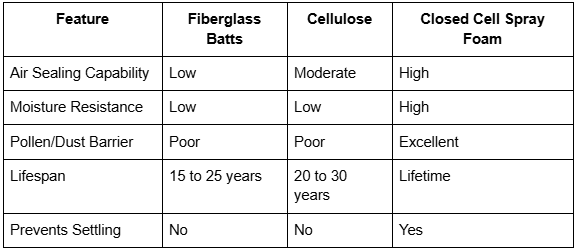
How Spray Foam Insulation Blocks Outdoor Pollutants Through Air SealingTraditional insulation, like fiberglass or cellulose, acts as a filter or barrier. These materials allow air to pass through them, which means they can trap dust and allergens within their fibers. Spray foam insulation blocks outdoor pollutants by stopping the movement of air entirely and the transport of these particles.
When the liquid foam is applied, a chemical reaction causes it to expand dozens of times its original volume. This expansion allows it to reach into the smallest crevices of your attic, walls, and crawl spaces. By sealing these entry points, you remove the primary pathways used by outdoor contaminants.
Data shows that air leakage can account for up to 40 percent of a building's energy loss and a significant portion of its indoor pollution. By using spray foam insulation, you decide what comes inside. This level of control is impossible with materials that only provide thermal resistance without an air seal.
Understanding the Physical Properties of Foam BarriersSpray foam comes in two main types: open-cell and closed-cell. Closed cell foam is particularly dense and serves as both an air barrier and a vapor retarder. This density is what makes spray foam insulation blocks an effective strategy for homeowners near busy roads or industrial areas.
The material adheres directly to the building substrate, whether that is wood, metal, or masonry. This bond is permanent and does not degrade like the adhesive on weatherstripping or the caulking around windows. It stays in place for the life of the structure, maintaining its integrity against the elements.
 Why the Expansion Process Matters for Air Quality
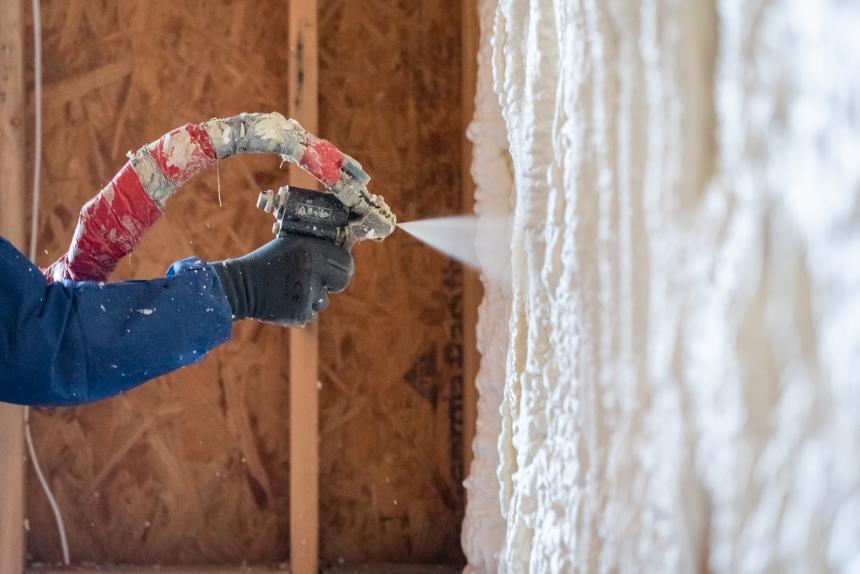
The expansion of the foam creates a custom fit for every unique space in your home. This is why spray foam insulation blocks outdoor pollutants more effectively than pre-cut materials. It fills the gaps around electrical wires, plumbing pipes, and HVAC vents where air often leaks.
These hidden gaps are often the biggest contributors to poor indoor air quality. Pollutants like car exhaust, wildfire smoke, and seasonal pollen find their way through these small holes. When the foam expands, it creates a gasket-like seal that shuts these "invisible windows".
Bonus Tips- Focus on sealing the "top plate" of your attic to prevent the stack effect from pulling pollutants up from the garage or basement.
- Check for gaps around recessed lighting cans, as these are major points for air exchange with unconditioned spaces.
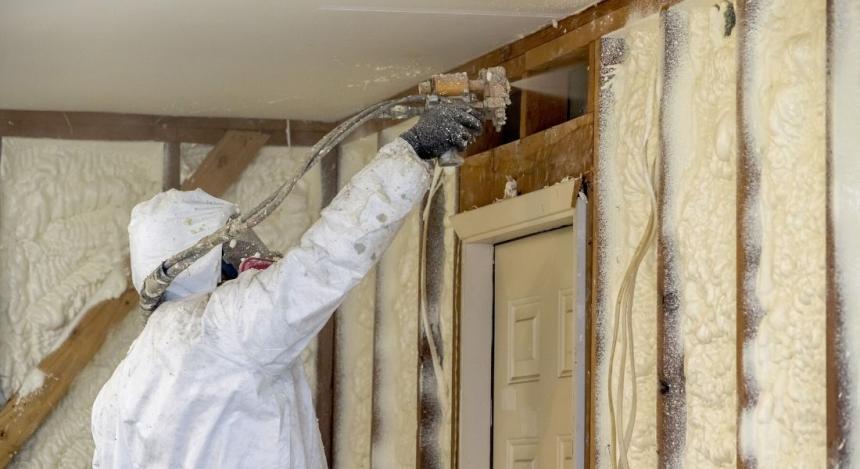
Hiring spray foam insulation installation services ensures that the material is mixed at the correct temperature and pressure. Professionals use specialized equipment to apply the foam evenly across all surfaces. This precision is what creates the seamless thermal envelope required for maximum protection.
A professional team will also identify areas of your home you might have overlooked. They often find leaks in the rim joists or behind knee walls that to spot. These experts understand the physics of air movement and how to stop it effectively.
Using air sealing insulation experts means your home will be treated as a complete system. They don't just add insulation; they manage how air flows into and out of the building. This comprehensive approach is what leads to a noticeable difference in how your home smells and feels.
 The Health and Structural Benefits of Closed-Cell Foam Insulation
A dedicated closed-cell foam insulation company provides waterproof and incredibly strong. Because it does not absorb moisture, it prevents mold and mildew within your walls. This adds another layer of protection for people who are sensitive to airborne spores.
Closed cell foam also adds structural strength to the building. Its rigid nature helps the walls resist shearing forces during high winds. This means your home stays tighter and more secure over the years of use.
How Spray Foam Blocks Air Pollutants at a Microscopic LevelYou might wonder how spray foam blocks air pollutants when some particles are too small to see. The cell structure is so tight that even microscopic particles cannot find a path through. It acts as a solid wall rather than a porous sponge.
This is especially helpful for blocking fine particulate matter known as PM2.5. These tiny particles from combustion and industrial processes are small enough to enter the lungs. A tight air seal is your best defense against these invisible threats.
Managing Air ExchangeOnce your home is sealed, you can use a mechanical ventilation system to bring in fresh, filtered air. This allows you to remove stale air while ensuring the incoming air is clean. It replaces random, leaky air with intentional, purified air.
 Benefits of Permanent Air Sealing Insulation for Long-Term Comfort
The benefits of permanent air sealing insulation go beyond just air quality. You will notice that your home stays at a consistent temperature without the HVAC system running constantly. This leads to lower utility bills and less wear on your furnace and air conditioner.
Noise reduction is another advantage you will experience. The same seal that keeps out dust also dampens outdoor sounds like traffic or barking dogs. It creates a quiet sanctuary where you can relax without distractions.
Residential Spray Foam Solutions for Different ClimatesIn humid regions, residential spray foam solutions prevent moist outdoor air from condensing inside your walls. This prevents rot and protects the materials that make up your home's skeleton. It is a proactive way to maintain your property.
In colder climates, the seal prevents warm indoor air from escaping and causing ice dams on the roof. By keeping the heat where it belongs, you protect your roof and your budget. The science behind the material works the same way regardless of the weather outside.
Science Behind Spray Foam Insulation Performance and DurabilityThe science behind spray foam insulation performance is rooted in polymer chemistry. The two parts of the foam mix and harden within seconds to create a stable plastic. This plastic does not break down or release harmful gases once it has fully cured.
It is also unattractive to pests. Insects and rodents cannot easily nest in the foam or use it as a food source. By removing the nesting material and sealing their entry points, you reduce the risk of infestations.
Factors to Evaluate Before Choosing an Insulation UpgradeBefore you decide on a new insulation system, you should look at the current state of your attic and crawl space. If you have existing mold or moisture issues, these must be addressed before the foam is applied. You should also consider the age of your roof and whether it will need replacement soon.
Think about your long-term goals for the property. If you plan to stay in the home for many years, the higher initial cost of foam is often offset by the energy savings. You should also check for local rebates or tax credits that might be available for high-efficiency upgrades.
Additional InformationSpray foam should only be applied to dry surfaces to ensure proper adhesion. If your contractor suggests spraying over wet wood, you should seek a second opinion. Always ensure the area is well-ventilated during the curing process, which typically takes about 24 hours.
Summary of the Permanent SealChoosing to upgrade your home with a spray foam system is a move toward a healthier lifestyle. To expand and seal to ensure that outdoor pollutants remain outside the building envelope. It provides a permanent solution that avoids maintenance or frequent replacement.
By focusing on a complete air seal, you protect your family from allergens and industrial waste. This technology offers a level of performance that traditional materials simply cannot match. It is a smart investment for anyone looking to improve their home's efficiency and air quality.
Connect With Experts for Your Home Comfort NeedsIf you are ready to improve your indoor environment, consulting with local professionals is the best first step. Cascadia Spray Foam Insulation offers specialized knowledge to help you achieve a cleaner home. You can reach their team at (425) 386-3500 or by emailing [email protected] to discuss your project.
They are located atGoogle Maps Location and provide free quotes to help you plan your upgrade effectively. Reaching out to an experienced provider ensures your insulation is installed safely and efficiently for long-term results.
Common Questions About Air Quality and InsulationCan spray foam help with my seasonal allergies?Yes, creating the foam prevents pollen from drifting into your home through the attic or walls. This significantly reduces the allergen load inside your living spaces.
Is the material safe for my family after it is installed?Once the foam has cured, which usually takes 24 hours, it is inert and does not off-gas. It provides a stable, non-toxic barrier that improves overall health by blocking external pollutants.
Does spray foam insulation ever need to be replaced?No, spray foam is a permanent material that does not sag, settle, or degrade over time. It maintains its R-value and air-sealing properties for the life of the building.
Will my home become “too tight” with this insulation?A tight home is a good thing, but it does require proper ventilation. Most experts recommend using an Energy Recovery Ventilator (ERV) to ensure fresh air circulates without losing energy.
Buy Where to Get LinkedIn Account Legitimacy Check: The Ultimate Exper...
Buy Where to Get LinkedIn Account Legitimacy Check: The Ultimate Expert Guide LinkedIn ha...

Buy Ready Verified LinkedIn Account Risks: The Complete Expert Guide
Buy Ready Verified LinkedIn Account Risks: The Complete Expert Guide LinkedIn has become...
Buy How to Get Bing Ads Security Tips: The Ultimate 2026 Guide
Buy How to Get Bing Ads Security Tips: The Ultimate 2026 Guide Online advertising is powe...
Buy Verified LinkedIn Account Legally: The Complete Expert Guide
Buy Verified LinkedIn Account Legally: The Complete Expert Guide LinkedIn has become the...
Buy How to Get Bing Ads Privacy Settings Guide: The Complete Expert SE...
Buy How to Get Bing Ads Privacy Settings Guide: The Complete Expert SEO Guide Managing pr...