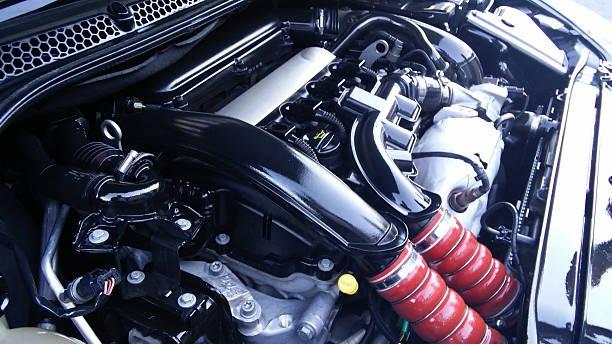

The Road to USD 8.6 Billion: Key Drivers and Challenges in the Europe Automotive Connectors Market
The Europe automotive connectors market size was valued at USD 5.6 Billion in 2025 and is forecast to reach USD 8.6 Billion by 2034.
As the European automotive industry navigates a historic transformation towards electrification, the components that enable this shift are becoming increasingly critical. Among them, automotive connectors form the nervous system of modern vehicles, ensuring seamless communication between countless electronic modules. According to a recent report by IMARC Group, the Europe automotive connectors market is set for steady growth, providing clear benchmarks for strategic planning. Valued at USD 5.6 Billion in 2025, the market is projected to reach USD 8.6 Billion by 2034, expanding at a compound annual growth rate (CAGR) of 4.81% from 2026 to 2034. This growth is fueled by the relentless integration of advanced electronics, the surge in electric vehicle adoption, and stringent regulatory frameworks pushing for greater efficiency and safety.
Key Takeaways:
- The Europe automotive connectors market size was valued at USD 5.6 Billion in 2025 and is forecast to reach USD 8.6 Billion by 2034.
- The market is expected to grow at a CAGR of 4.81% during the 2026-2034 period.
- By connection type, wire-to-board connectors are a top product category, crucial for linking wiring harnesses to PCBs.
- By vehicle type, the market is segmented into passenger cars, commercial vehicles, and electric vehicles, with EVs driving demand for high-current connectors.
- Germany leads the regional market, underpinned by its advanced automotive manufacturing and R&D strength.
- A key growth driver is the electrification of vehicles, propelled by the European Council's "Fit for 55" package targeting a 55% reduction in emissions by 2030.
- A significant technological development includes BASF's launch of Ultramid® Advanced N3U42G6 in June 2025, a polyamide for high-voltage EV connectors.
- A key challenge is ensuring connector reliability and durability in the face of increasing electronic complexity and harsh operating environments.
- Major business opportunities lie in high-speed data connectors for ADAS and infotainment and high-current, rugged connectors for electric vehicle powertrains.
What is Europe Automotive Connectors Market?
In the European context, automotive connectors refer to the critical electromechanical components used to join electrical circuits within vehicles. They are the unsung heroes that enable the seamless flow of power and data between every electronic module, from engine control units and safety systems to infotainment displays and advanced driver-assistance sensors. This market is deeply intertwined with Europe's status as a global automotive powerhouse, home to leading OEMs and a vast supply chain. It is being fundamentally reshaped by three powerful forces: the aggressive push for vehicle electrification driven by EU climate goals, the escalating complexity of in-car electronics and software, and the shift towards lightweight, modular vehicle architectures. As vehicles evolve from mechanical machines to software-defined devices on wheels, the demand for smaller, faster, more reliable, and higher-capacity connectors becomes paramount, making this market a critical enabler of the continent's automotive future.
Growth Drivers of the Europe Automotive Connectors Market
The European market for automotive connectors is being propelled forward by a powerful combination of regulatory pressure, technological innovation, and shifting consumer preferences.
Electrification of Vehicles Propelling Connector Demand
The most significant driver for the European automotive connectors market is the continent's rapid and decisive shift towards electric mobility. This transition is not merely a market trend but a policy-driven mandate. Aggressive environmental regulations, such as the European Council's "Fit for 55" package, aim to cut greenhouse gas emissions by at least 55% by 2030, forcing automakers to rapidly expand their electric vehicle (EV) offerings. Plug-in hybrids and full battery electric vehicles require fundamentally more complex electrical architectures than traditional internal combustion engine cars. They demand advanced connector systems capable of managing high-voltage power distribution for the drivetrain, sophisticated battery management systems, and robust safety monitoring. This surge in demand for high-performance, reliable connectors for EV applications from battery packs and inverters to charging systems is a primary engine of growth, presenting a sustained opportunity for connector suppliers to innovate and scale production for next-generation vehicles.
Growing Need for Advanced Infotainment and Safety Systems
Beyond the powertrain, the escalating sophistication of in-cabin experiences and safety features is a major growth driver. Modern European consumers expect seamless connectivity, intuitive infotainment, and state-of-the-art driver assistance. Fulfilling these expectations requires a dense network of high-performance electronics. Advanced infotainment interfaces, high-definition displays, navigation systems, and connectivity modules all depend on specialized connectors to ensure flawless signal transmission and power delivery. Concurrently, the proliferation of advanced driver-assistance systems (ADAS) such as collision alert, adaptive cruise control, and lane-keeping assist demands connectors with ultra-high reliability. These systems must function flawlessly in the face of constant vibration, temperature extremes, and electromagnetic interference. The need for connectors that can guarantee high-speed data transfer from cameras and sensors, while maintaining robustness over the vehicle's lifetime, is creating a strong and growing market segment focused on safety and comfort.
Technological Advancements and Modular Architectures
Automakers are increasingly adopting modular vehicle platforms to streamline production, reduce weight, and enhance efficiency a trend particularly critical for extending the range of electric vehicles. These modular architectures depend heavily on standardized, high-performance connectors to integrate various systems, including power distribution units, sensors, control modules, and communication networks. This shift is driving demand for connectors that are not only compact and lightweight but also capable of handling higher currents and data speeds. Significant material advancements are supporting this trend. For instance, in June 2025, BASF launched Ultramid® Advanced N3U42G6, a specialized polyamide 9T for high-voltage automotive connectors. This innovation enhances safety, durability, and color stability in critical EV components like inverters, batteries, and DC-DC converters. Such developments in materials and design are enabling manufacturers to meet tough environmental specifications and changing consumer expectations, further accelerating the adoption of advanced connectors across Europe.
Threats Facing the Europe Automotive Connectors Market
While the growth outlook is strong, manufacturers and suppliers must navigate significant technical and supply chain challenges.
Ensuring Reliability in an Increasingly Hostile Environment
As vehicles become more electrified and electronically complex, the operating environment for connectors becomes more demanding. Connectors must maintain perfect signal integrity and power delivery while being subjected to extreme temperature cycles, constant vibration, and exposure to moisture, chemicals, and electromagnetic interference. A single connection failure can compromise a critical safety system or disable a vehicle entirely. For B2B audiences, the solution lies in relentless innovation in materials science and design. This includes developing connectors with enhanced current-carrying capacity, superior corrosion resistance, and robust sealing against contaminants. The industry is responding with products like the AU1 Series USB 3.2 wire-to-board connectors launched by Hirose Electric in February 2025, which offer reinforced durability and USCAR compliance for demanding in-vehicle infotainment systems. Investing in rigorous testing, simulation, and quality assurance is not optional but a fundamental requirement to meet the stringent reliability standards of European automakers and ensure long-term competitiveness.
Opportunities in the Europe Automotive Connectors Market
The current technological and regulatory landscape presents several high-potential areas for innovation and strategic growth.
Capitalizing on High-Speed Data Connectors for ADAS and Autonomy
The race towards higher levels of vehicle automation and connectivity is creating a massive opportunity for connectors capable of handling high-speed data transmission. ADAS features, V2X communication, and telematics generate and consume vast amounts of data that must be transferred with absolute integrity and minimal latency. This requires a new generation of connectors beyond traditional wiring. Specifically, RF connectors for high-frequency signals and fiber optic connectors, which offer interference-free, high-bandwidth data transfer, are poised for significant growth. These connectors are critical for linking sensors, cameras, and control units, preserving signal quality against vibration and temperature variations. Companies that can lead in developing robust, cost-effective, and miniaturized high-speed data connectors will be essential partners to automakers as they advance their automated driving roadmaps.
Developing Specialized Connectors for EV Power Electronics
The heart of the electric vehicle—its battery pack, power electronics, and e-motor—presents a unique and growing opportunity for specialized, high-current connectors. These applications demand components that can reliably handle extreme voltages and currents, manage significant heat, and fit into increasingly compact spaces. The trend towards 800V architectures to enable faster charging further intensifies these requirements. This opens avenues for innovation in materials (like the BASF polyamide launch) and in connector design for battery management systems, DC-DC converters, and onboard chargers. Furthermore, as EV platforms evolve, there is a growing need for standardized yet high-performance connectors for the charging inlet and the entire high-voltage cabling network. Suppliers that can deliver proven, safe, and efficient solutions for this critical EV infrastructure will capture a substantial share of this fast-expanding market.
Europe Automotive Connectors Market Segmentation
According to the analysis by IMARC Group, the Europe automotive connectors market is segmented based on connection type, connector type, system type, vehicle type, application, and country, providing a detailed view of its structure.
Analysis by Connection Type:
- Wire to Wire Connection: Connectors used to join two separate wire-terminated ends, often used for longer runs or connecting harness segments.
- Wire to Board Connection: Connectors that terminate wires to a printed circuit board (PCB). This is a top product category due to its critical role in linking wiring harnesses to electronic modules.
- Board to Board Connection: Connectors used to directly connect two PCBs, enabling compact, stacked electronic architectures.
Analysis by Connector Type:
- PCB Connectors: Provide stable interfaces for printed circuit boards in engine control, safety, and infotainment modules, designed to withstand harsh automotive conditions.
- IC Connectors: Integrate semiconductor modules into electronic systems, facilitating data and power flow in compact, multi-function designs.
- RF Connectors: Carry high-frequency signals for communication, infotainment, and telematics, preserving signal quality for navigation and wireless systems.
- Fiber Optic Connectors: Provide high-speed, interference-free data transfer critical for advanced infotainment, ADAS, and communication systems.
- Others: Includes specialized connectors for high-current applications, hostile environments, and unique electronic architectures.
Analysis by System Type:
- Sealed Connector System: Designed with environmental protection to safeguard against moisture, dust, and contaminants, essential for engine compartments and exterior electronics.
- Unsealed Connector System: Offer conventional electrical connections for controlled interior environments like infotainment and lighting modules, providing cost-effective solutions.
Analysis by Vehicle Type:
- Passenger Cars: Drive demand for miniaturized, multifunctional connectors to support advanced electronics, infotainment, and safety systems.
- Commercial Vehicles: Includes Light Commercial Vehicles and Heavy Commercial Vehicles, requiring heavy-duty, high-load connectors capable of withstanding extreme currents, vibration, and stress.
- Electric Vehicles: Need high-current, long-life connectors for battery systems, power electronics, and drivetrains, designed for thermal stability and secure energy transfer.
Analysis by Application:
- Body Control and Interiors: Connectors for lighting, HVAC, seat controls, and in-cabin electronics, ensuring smooth functionality and user experience.
- Safety and Security System: Critical connectors for airbags, seatbelt pre-tensioners, ADAS, and collision-avoidance modules, guaranteeing dependability during emergencies.
- Engine Control and Cooling System: Reliable connectors for sensors, actuators, and control modules, ensuring accurate engine management under heat and vibration.
- Fuel and Emission Control: Connectors for monitoring fuel injectors, pumps, and emission sensors, crucial for emissions compliance and fuel economy.
- Infotainment: High-speed connectors for displays, audio units, and connectivity modules, enabling seamless integration of entertainment and smart technologies.
- Navigation & Instrumentation: Connectors for GPS modules, instrument clusters, and digital dashboards, providing reliable data interfaces for real-time monitoring.
- Others: Includes connectors for telematics, communication modules, lighting, and auxiliary electronics.
Analysis by Country:
- Germany: The market leader, driven by advanced manufacturing, R&D strength, and the shift towards advanced electronic systems in passenger, commercial, and electric vehicles.
- France: Sustains demand through robust vehicle production and the incorporation of high-tech safety and infotainment systems.
- United Kingdom: Contributes via its automotive manufacturing and focus on connected and electrified vehicle technologies.
- Italy: Propels demand through expert automotive design and the integration of electronics in passenger and commercial vehicles.
- Spain: Adds to growth with rising EV uptake and the incorporation of innovative electronic systems.
- Others: Other European nations collectively support market expansion through production, electrification, and technology adoption.
Leading Players in the Europe Automotive Connectors Market
The competitive landscape of the Europe automotive connectors market is characterized by intense innovation and strategic partnerships among global leaders in electronic components and materials science. While the URL provided does not list specific company names in a competitive landscape section, based on the market dynamics described by IMARC Group, the top companies leading the market typically include global giants such as:
- TE Connectivity Ltd.
- Aptiv PLC
- Molex, LLC (a subsidiary of Koch Industries)
- Yazaki Corporation
- Rosenberger Group
- Hirose Electric Co., Ltd.
- JAE (Japan Aviation Electronics Industry, Ltd.)
- Amphenol Corporation
- Sumitomo Electric Industries, Ltd.
- BASF SE (as a key materials supplier)
Europe Automotive Connectors Market News
- In February 2025, Hirose Electric launched the AU1 Series USB 3.2 wire-to-board connectors for automotive applications, offering high-speed data transmission, reinforced durability, and USCAR compliance for in-vehicle infotainment systems.
- In May 2025, Zuken launched CR-8000 2025 in Munich, introducing AI-driven schematic automation and intelligent layout acceleration to streamline the design of high-density, connector-intensive automotive electronics.
- In June 2025, BASF launched Ultramid® Advanced N3U42G6, a specialized polyamide 9T for high-voltage automotive connectors, enhancing safety, durability, and color stability in electric vehicle components like inverters, batteries, and DC-DC converters.





Essential Considerations for Commercial Lighting Installation
As an engineer I think that commercial lighting installation should start with a clear loo...