
The Next Frontier: Investing in the “Human” Form of Robots.
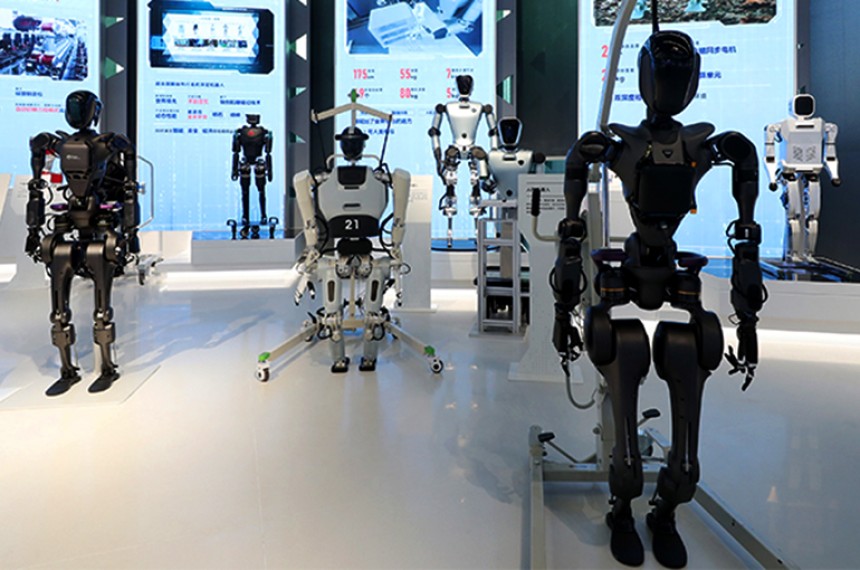
The rise of humanoid robots is no longer confined to the pages of science fiction. With advances in artificial intelligence, robotics engineering, and machine learning, humanoid robots are becoming a tangible reality. Their ability to mimic human movement, interact naturally, and perform complex tasks makes them one of the most promising technologies for the future. For investors, humanoid robot investment represents both a groundbreaking opportunity and a field that requires strategic foresight.
Why Humanoid Robots Stand Out
- Human-like adaptability: Unlike industrial robots built for narrow tasks, humanoid robots can operate in spaces designed for people, from offices to hospitals.
- Ease of integration: They use the same tools and environments that humans do, reducing the need for costly infrastructure changes.
- Communication skills: With AI-driven speech and gestures, they can interact in ways that feel natural to humans.
Market Potential and Growth
- Expanding market size: Analysts project billions in value for humanoid robotics over the next decade.
- Driving forces: Automation demand, labor shortages, and AI advancements are fueling the industry’s growth.
- Investor advantage: Early involvement offers the chance to influence innovations before the sector reaches maturity.
Beyond raw numbers, this growth is also about reshaping how industries view labor. Humanoid robots are not just filling gaps but expanding what companies can accomplish. For example, a business can extend service hours without exhausting staff or deploy robots in hazardous settings where worker safety would otherwise be at risk.
Key Applications Across Industries
- Healthcare: Assisting patients, aiding staff with repetitive tasks, or providing companionship for the elderly.
- Retail: Greeting customers, answering queries, and enhancing shopping experiences.
- Logistics: Sorting, packaging, and transporting goods with precision.
- Education and entertainment: Interactive teaching aids and engaging performers for events or media.
Emerging pilots also show promise in public service roles. Municipalities are experimenting with humanoid robots in tourist information centers, airports, and even law enforcement support. While not intended to replace professionals entirely, these applications reveal how robots could complement staff in environments demanding constant availability.
The Role of Artificial Intelligence
- Core functionality: AI powers speech recognition, natural language processing, and machine vision.
- Learning ability: Machine learning allows humanoid robots to improve over time and adapt to new challenges.
- Strategic value: The convergence of AI and robotics creates an especially strong investment case.
Crucially, AI enables robots to act not just as tools but as collaborative partners. For instance, a humanoid robot in a hospital can recognize a patient’s facial expressions and adjust its tone of voice accordingly. This subtle ability to read emotions makes robots more acceptable and effective, bridging the gap between pure automation and empathetic interaction.
Challenges and Risks
- High production costs: Manufacturing and energy consumption remain hurdles.
- Ethical concerns: Issues around job displacement and human-robot relationships need thoughtful solutions.
- Uncertainty: Early-stage companies may be promising but carry risks tied to scalability and technical feasibility.
For investors, it is also important to note that public perception can influence adoption rates. A community that embraces robots as helpful assistants will create faster growth, while skepticism may slow implementation.
Long-Term Outlook
- Lowering costs: Advances in lightweight materials and batteries will make robots more affordable.
- Greater efficiency: Continuous AI progress will improve decision-making and problem-solving capabilities.
- Global readiness: Governments and industries are already laying the groundwork for regulatory frameworks.
Collaboration between private investors and public institutions will also accelerate progress. Many governments are funding robotics research as part of innovation strategies. Investors who align with these programs may gain not only financial rewards but also influence in shaping ethical and regulatory standards.
Final Thoughts
Humanoid robot investment is not just about supporting innovation - it is about shaping the future of how humans live and work. For forward-looking investors, this is not a question of if but of when - and those who act early may find themselves at the forefront of one of the most transformative shifts of the century.
Lotus365 Signup Requirements: Information to Review Before Registering
Before creating an online account, it is important to understand the registration requirem...



Recheck Scales: The Final Line of Defense in Accurate Packaging
<p>Accurate packaging is essential for protecting product quality, maintaining regulatory...

Affordable Odoo Customization Services in India: A Guide for Businesse...
Odoo is a flexible ERP platform that helps businesses streamline operations, manage workfl...
