The Majestic City Palace Udaipur: A Royal Treasure of Rajasthan
Discover the majestic beauty, history, and architecture of the iconic City Palace Udaipur, a must-visit destination showcasing Rajasthan’s regal heritage, grandeur, and timeless charm.
Udaipur, known as the "City of Lakes," is one of India's most enchanting destinations. Nestled in the Aravalli Hills and surrounded by shimmering lakes, it offers visitors a blend of scenic beauty and cultural heritage. Among its many architectural marvels, one place stands out for its grandeur, history, and sheer elegance — the City Palace Udaipur. This stunning palace complex is not just a popular tourist attraction; it’s a timeless symbol of Rajasthan's royal legacy.
The origins of the City Palace date back to 1559 when Maharana Udai Singh II founded Udaipur as the new capital of the Mewar Kingdom. To fortify his kingdom and establish a majestic seat of power, he laid the foundation of the City Palace on the eastern banks of Lake Pichola. Over the next 400 years, successive rulers of the Mewar dynasty contributed to the expansion and beautification of the palace, resulting in a massive, harmonious blend of Rajasthani and Mughal architectural styles.
Despite being built in different periods, the palace’s various sections merge seamlessly, thanks to the common vision and royal taste of the Mewar rulers. From intricately carved balconies and towering domes to vibrant courtyards and elaborate entrances, every inch of the palace tells a story of royal sophistication.
City Palace Udaipur is one of the largest palace complexes in Rajasthan. Built with granite and marble, it overlooks the serene Lake Pichola and offers breathtaking views of the lake, the Jag Mandir, and the Lake Palace. The main structure is a series of palaces and chambers interconnected through zigzagging corridors, which were strategically designed to confuse enemies and defend the royal family in case of an attack.
The architecture combines traditional Rajputana style with subtle Mughal influences. Decorative motifs, mirror work, colored glass, marble inlays, and wall paintings adorn the interiors. The famous Mor Chowk (Peacock Courtyard) features mosaic peacocks made of colored glass — a testament to the fine craftsmanship of the artisans of that era.
One of the most stunning sections of the palace is the Sheesh Mahal (Palace of Mirrors), where thousands of tiny mirrors create a dazzling effect, even with a single candle’s reflection. Another must-see is the Zenana Mahal, or the Queen's Palace, with its ornate balconies and finely designed jharokhas (overhanging enclosed balconies).
The City Palace is not just about beauty and architecture; it’s a living museum that offers deep insights into the history of the Mewar dynasty. Inside the palace complex lies the City Palace Museum, which houses a rich collection of royal artifacts, weapons, paintings, and antiques. Each gallery and room provides a glimpse into the lives of the Mewar rulers — their battles, celebrations, traditions, and more.
One of the museum's highlights is the exhibit on Maharana Pratap, the most celebrated king of Mewar, known for his valor and defiance against the Mughal emperor Akbar. His battle gear, including his famous sword and armor, are proudly displayed.
The museum also preserves various miniature paintings that depict royal processions, hunting scenes, and mythological tales. These artworks, rich in color and detail, help visitors understand the aesthetic and cultural sophistication of the Mewar court.
Unlike many other historical palaces that have been turned into ruins or left abandoned, the City Palace remains a vibrant part of Udaipur’s cultural landscape. A section of the palace continues to be the residence of the Mewar royal family, who still hold great respect among the local people.
Moreover, parts of the palace have been transformed into heritage hotels and exclusive venues for cultural performances, royal events, and grand weddings. This living aspect of the City Palace makes it even more appealing — visitors not only step into history but also experience how tradition continues to thrive in modern times.
Cultural programs, folk dances, and music performances often take place within the palace premises, allowing guests to immerse themselves in Rajasthani culture. The palace also serves as the backdrop for festivals like Mewar Festival and Diwali, attracting visitors from across the globe.
For travelers visiting Udaipur, a trip to the City Palace is an unmissable experience. Its imposing façade, artistic interiors, and historical richness leave a lasting impression. Whether you are a history enthusiast, an architecture lover, or a curious traveler, the palace offers something for everyone.
Exploring the palace can take several hours, given its vastness and the amount of detail in every corner. As you walk through its corridors and chambers, you can almost hear echoes of royal footsteps and imagine the grand celebrations that once took place in its ornate halls.
The surrounding area also adds to the charm — with nearby attractions like Lake Pichola, Jagdish Temple, and Bagore Ki Haveli, you can easily spend a full day immersing yourself in the royal ambiance of Udaipur.
The City Palace Udaipur stands as a proud monument to the glory of Rajasthan's royal past. It is more than just a historic site; it is a living chronicle of the Mewar dynasty’s endurance, artistry, and opulence. From its commanding architecture to its immersive museum and cultural heritage, the palace leaves every visitor awestruck.
A journey to Udaipur is incomplete without witnessing the charm of this magnificent palace. As you gaze at its marble towers reflecting in the still waters of Lake Pichola, you’ll realize why the City Palace Udaipur continues to enchant hearts from all over the world.
Modern Biomass Station Upgrades for Reliable Power Generation
Modern Biomass Station Upgrades for Reliable Power Generation

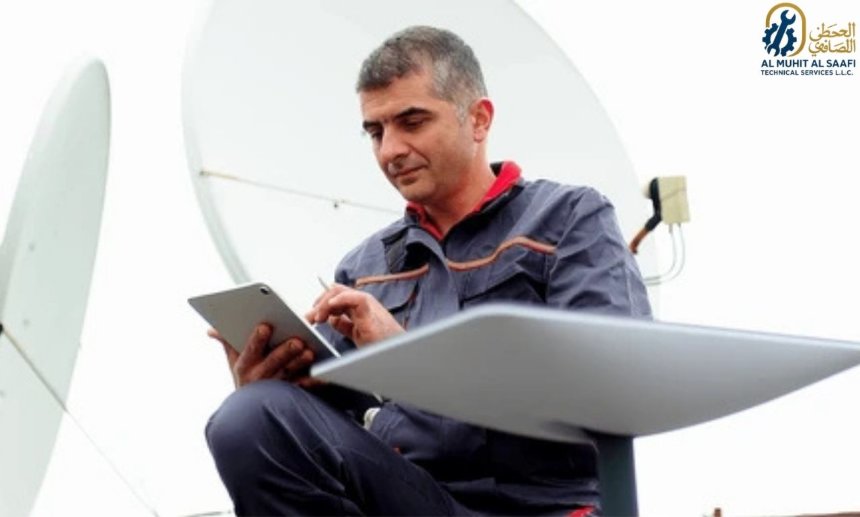
Dish Network Installers Near Me: Professional Satellite Dish Installat...