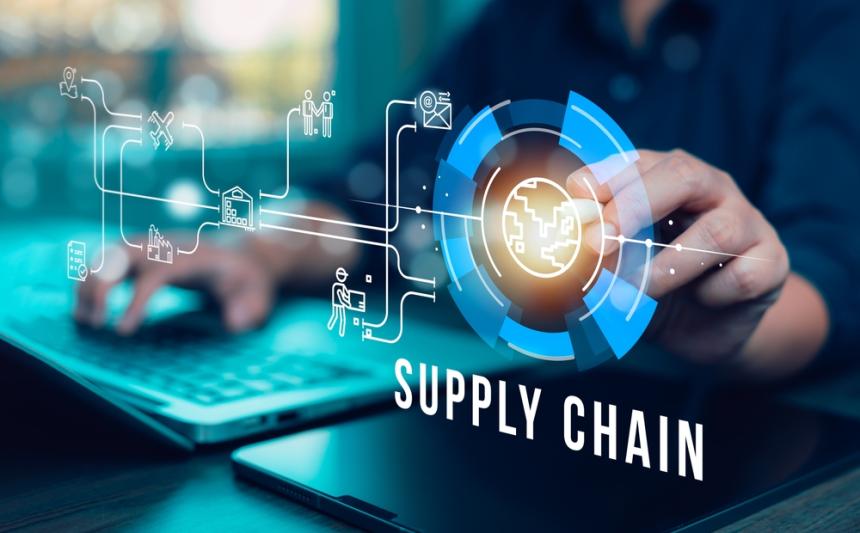

The Importance of Supply Chain Adaptability in Changing Markets
That engine is supply chain adaptability. Having a rigid, unchanging plan for moving your goods is a massive business danger today.
Running a modern product business is a highly challenging daily adventure. Companies invest heavy amounts of money into factory machinery, product design, and creative advertising campaigns. They spend months hiring great talent to manage their daily office operations.
They build excellent websites to attract eager customers from around the world.
But many executive business leaders completely ignore the most vital engine of long-term success. That engine is supply chain adaptability. Having a rigid, unchanging plan for moving your goods is a massive business danger today. Global markets change at a blistering pace due to sudden weather events, shipping channel blocks, and changing consumer laws. If your logistics network cannot pivot within twenty-four hours, your business operations will collapse completely. Let's look at why high supply chain flexibility is your ultimate armor in unpredictable global markets.
Moving Beyond the False Safety of Fixed Logistics Frameworks
Many old-school managers still rely on a single factory source for all their primary inventory needs. They use the exact same shipping routes for decades because it feels safe, familiar, and comfortable.
They believe that old partnerships will automatically protect them during heavy market storms.
This lack of strategic planning creates massive hidden financial risks for your business assets. One sudden border closure or fuel price spike can leave your warehouse completely empty for months. Your retail shelves go bone dry, your digital storefront shows out-of-stock signs, and your loyal clients walk away to your competitors. Adaptability completely smashes this operational bottleneck. It teaches business owners to build dynamic, multi-layered logistics webs that automatically adjust when unexpected real-world blockages happen.
Securing Agile Global Trade Alliances in Rapidly Expanding Hubs
Surviving heavy market shifts requires moving past low-grade local transportation vendors. You cannot run a world-class commerce operation using outdated tracking tools or slow, unreliable cargo ships.
This operational rule is especially true when dealing with highly time-sensitive consumer goods like fresh food items.
Securing high supply speed means connecting with technologically advanced import partners in major regional trading zones. Partnering with an elite, highly responsive food importer in saudi arabia relies on changes your entire distribution game completely. These advanced international trade specialists use real-time digital tracking systems to monitor global shipping lanes every single hour. They know exactly how to clear customs rapidly, bypass busy shipping harbors, and keep your inventory moving without any costly delays.
Hardening Your Daily Distribution Networks Against Extreme Shocks
While importing goods across borders efficiently is a fantastic asset, you still need a rock-solid system for moving those products within your target country.
You cannot maintain a highly profitable business if your domestic delivery trucks are constantly broken down, late, or stranded without backup fuel options.
Building a truly bulletproof network requires forming strategic deep alliances with major domestic logistical players. Routing your core bulk inventory demands through the top food suppliers in saudi arabia networks provides absolute daily operational peace of mind. These mega-suppliers operate massive, climate-controlled warehouse centers scattered across every major city. They maintain massive fleets of backup vehicles and use predictive route planning, ensuring your goods hit consumer shelves perfectly fresh and exactly on schedule.
Three Essential Pillars of an Adaptable Supply Chain
You do not need a complex university degree in international logistics to build a flexible supply network. You just need a disciplined focus on three simple operational rules.
- Total Supply Line Diversification: Sourcing your raw materials from at least three different geographic regions so a single local shutdown never freezes your business.
- Real Time Digital Data Transparency: Using live cloud inventory software so your factory teams can see real-world sales drops or spikes instantly.
Flexible Production Scalability Contracts: Signing smart business deals that let you lower or increase manufacturing volume quickly without facing massive financial fines.
How Predictive Inventory Management Saves Your Cash Flow
Traditional companies use historical data to guess how much inventory they will need six months into the future. They look at last year's sales reports and place giant, rigid factory orders based on those old numbers.
This classic habit creates a massive financial trap called the bullwhip effect.
If consumer demand drops suddenly, the company gets stuck with warehouses full of expensive, unsold stock that rots away. Conversely, if demand spikes, they miss out on massive profits because their factories cannot speed up production in time. Adaptable supply chains use lean, predictive, real-time inventory systems. They order smaller, highly frequent batches of goods based on live market buying behavior, keeping cash flow perfectly safe and liquid.
The Rising Power of Nearshoring in Modern Corporate Operations
For decades, international businesses moved all their manufacturing to ultra-low-cost countries thousands of miles away. While this strategy saved a few pennies on factory wages, it created massive, fragile shipping lines across open oceans.
Today, a single shipping container delay can cost a brand millions of dollars in retail penalties.
Financially literate supply chain managers are fixing this structural vulnerability by switching to nearshoring models. They move their secondary manufacturing plants to friendly countries much closer to their primary consumer markets. This shift reduces total ocean shipping times from forty days down to just three days via cross-border trucking. It slashes your fuel burn rates, eliminates heavy maritime insurance fees, and allows your brand to react to new consumer fashion trends almost instantly.
The Ultimate Payoff of a Flexible Logistics Strategy
Treating your corporate procurement pipeline like a cheap, unguided guessing game leads straight to business bankruptcy and immense financial loss today. The modern global economic landscape exclusively rewards structural agility, deep digital data monitoring, and tier-one distribution alliances.
Partner with elite regional importers to secure pristine global entry pathways for your raw assets. Route your heavy bulk volume demands through verified domestic supply networks that run advanced, climate-controlled logistics hubs. Eliminate rigid, single-source buying habits by treating your core logistics vendors like active long-term strategic partners. Do these simple things to protect your business stability completely. Stop letting random global shipping delays ruin your brand's reputation. Upgrade your supply chain adaptability practices today, and watch your enterprise build a highly resilient, deeply visible, and massively profitable market legacy for decades to come.
From Squirrel to Moose: Matching Ten Cartridges to the Animal
From Squirrel to Moose: Matching Ten Cartridges to the Animal