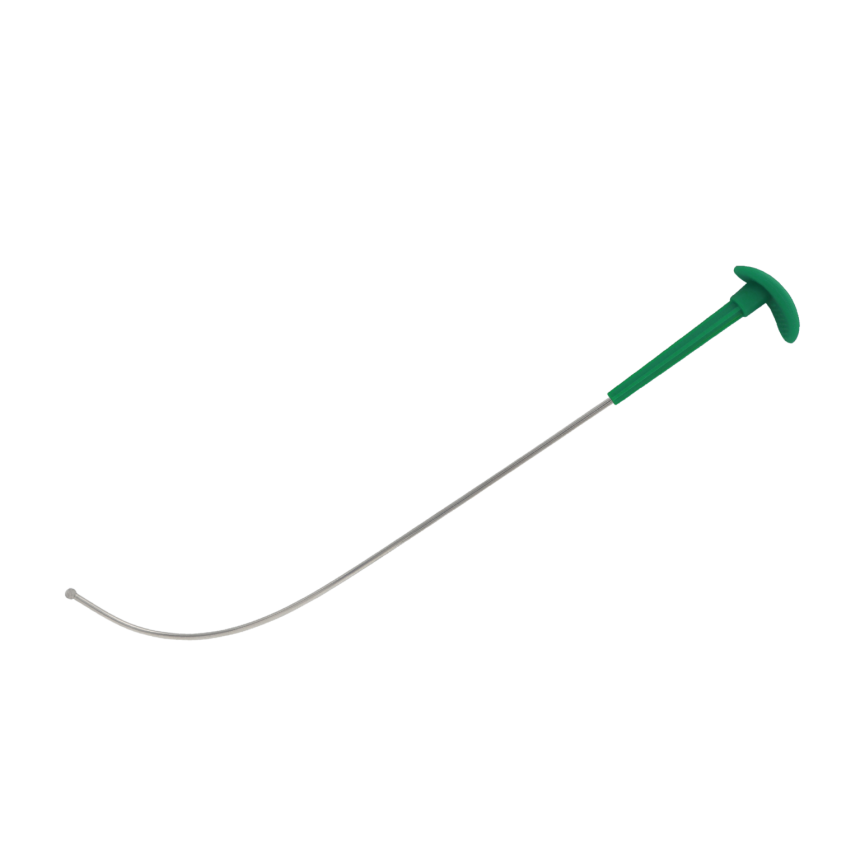

The Impact of Single Use Intubation Stylets on Medical Device Sterility
Intubation equipment is a disposable medical device used during endotracheal intubation procedures. It is designed to assist in the placement of an endotracheal tube into a patient’s airway.
In the realm of healthcare, particularly in critical care and anesthesia, the importance of device sterility cannot be overstated. Ensuring that medical instruments are free from contaminants is essential in preventing healthcare-associated infections (HAIs), which can lead to severe complications, prolonged hospital stays, and even fatalities.
One of the devices used in airway management—intubation stylets—plays a vital role in securing a patient’s airway during anesthesia or emergency procedures. Traditionally, these devices were designed for reuse, requiring cleaning and sterilization between uses. However, with the introduction of single-use intubation stylet, there has been a significant shift in how healthcare providers approach medical device sterility.
This article will explore the impact of single-use intubation stylets on medical device sterility, highlighting their benefits in infection prevention, clinical outcomes, and overall patient safety.
What Are Single Use Intubation Stylets?
An intubation stylet is a flexible, often rigid, tool used to help guide the insertion of an endotracheal tube (ETT) into a patient’s trachea. The stylet helps shape the ETT and provides rigidity, ensuring precise placement of the tube for effective ventilation. In many procedures, especially those involving difficult airways or emergency situations, the stylet plays a crucial role in securing the airway swiftly and accurately.
Single-use intubation stylets are designed for one-time use only. These devices are pre-packaged in sterile conditions and are disposed of after the procedure. This stands in contrast to reusable intubation stylets, which require cleaning and sterilization before each use. The shift toward single-use devices is largely driven by the need to reduce the risk of infection and ensure higher standards of sterility, particularly in high-risk medical environments such as operating rooms, intensive care units (ICUs), and emergency departments.
The Importance of Sterility in Medical Devices:
Sterility in medical devices is a critical factor in preventing the transmission of infections from one patient to another. Many medical procedures, especially invasive ones like intubation, create an open pathway for bacteria, viruses, and other pathogens to enter the body. Devices that are not properly sterilized or maintained can serve as vectors for infections, leading to healthcare-associated infections (HAIs).
HAIs are a major concern in modern healthcare systems, accounting for significant morbidity, mortality, and healthcare costs. The need for effective infection control is particularly acute in environments like the operating room, where patients may already have compromised immune systems due to the nature of their conditions or treatments. As such, ensuring that tools and instruments used in these settings are sterile is a vital step in safeguarding patient health.
How Single Use Intubation Stylets Enhance Sterility
1. Eliminating the Risk of Cross-Contamination:
One of the primary benefits of single-use intubation stylets is their ability to completely eliminate the risk of cross-contamination between patients. Reusable intubation stylets, even when cleaned and sterilized, can still carry a risk of contamination, especially in hard-to-reach areas or microscopic crevices. Despite rigorous cleaning protocols, residual pathogens may remain on the surface or within the grooves of reusable devices. This presents a potential risk for infection transmission when the device is used on a new patient.
Single-use stylets, however, are used once and then discarded, which means they are always sterile when they come into contact with a patient. There is no need for cleaning or sterilization, as each device is packaged in a sterile environment and is designed to be used for a single procedure. This guarantees that each patient receives a completely sterile device, significantly reducing the chances of cross-contamination or infection transmission.
2. Consistency in Sterility:
Reusable intubation stylets require careful maintenance, cleaning, and sterilization after each use. However, the process is not always foolproof. Improper cleaning or sterilization can lead to microbial contamination, especially if the device is not handled correctly or if there are any defects in the cleaning process. Single-use intubation stylets, on the other hand, eliminate these potential issues by providing a new, sterile device for each procedure.
Because these devices are pre-sterilized in controlled conditions and sealed until use, healthcare providers can be confident that the stylet is free from any contaminants, without worrying about the efficacy of cleaning or sterilization procedures. This consistency in sterility ensures that the highest standards of infection control are maintained across all procedures.
3. Faster Turnaround and Reduced Risk of Human Error:
The cleaning and sterilization process for reusable devices can be time-consuming and complex. It often requires specialized equipment, time, and attention to detail to ensure the device is thoroughly sanitized. In busy healthcare settings, this process can sometimes be rushed, increasing the risk of human error. Single-use intubation stylets bypass these challenges by offering a device that is ready for immediate use.
This reduction in handling time minimizes the opportunity for errors in the sterilization process. With single-use stylets, there is no need to spend time cleaning or inspecting the device for signs of wear or contamination. Healthcare providers simply open the sterile package and proceed with the procedure, knowing that the device is clean and ready to go. This not only improves efficiency but also ensures that sterility is maintained throughout the procedure.
4. Enhanced Patient Safety:
Sterility is directly linked to patient safety. The introduction of single-use intubation stylets into clinical practice is a major step forward in reducing the risk of infections during airway management procedures. In high-risk settings such as the operating room or the ICU, where patients are often under general anesthesia or critically ill, the last thing a healthcare provider wants is the added risk of an infection caused by an improperly sterilized device.
By using single-use devices, healthcare teams can ensure that the intubation stylet is not a source of contamination. This enhanced safety protocol contributes to improved patient outcomes by minimizing the risk of infection and other complications associated with unsterile medical instruments.
5. Compliance with Infection Control Standards:
Many healthcare facilities adhere to strict infection control protocols to meet regulatory standards. These guidelines often specify the use of sterile, single-use devices in high-risk procedures to prevent HAIs. The adoption of single-use intubation stylets aligns with these infection control standards and helps healthcare facilities maintain compliance with industry best practices. By using disposable, sterile devices, hospitals and clinics can demonstrate their commitment to patient safety and infection prevention, further enhancing their reputation and operational effectiveness.
Conclusion:
Single-use intubation stylets have become a vital tool in ensuring medical device sterility in critical care and anesthesia settings. By eliminating the risk of cross-contamination, providing consistent sterility, and reducing the potential for human error, these devices play a significant role in improving patient safety and reducing the spread of healthcare-associated infections.
In a world where infection control is a top priority, single-use intubation stylet offer a straightforward yet highly effective solution to safeguard both patients and healthcare providers. As medical technology continues to evolve, the shift toward single-use devices will likely expand, further enhancing the overall standards of hygiene, performance, and safety in healthcare settings.



How much should you spend on a bridal bouquet?
You should allocate ₹3,500 to ₹7,500 for a professionally designed bridal bouquet, keeping...

Plant Inauguration Event Management in Delhi: Plan a Memorable Launch
An experienced plant inauguration event management in delhi partner can help US companies...