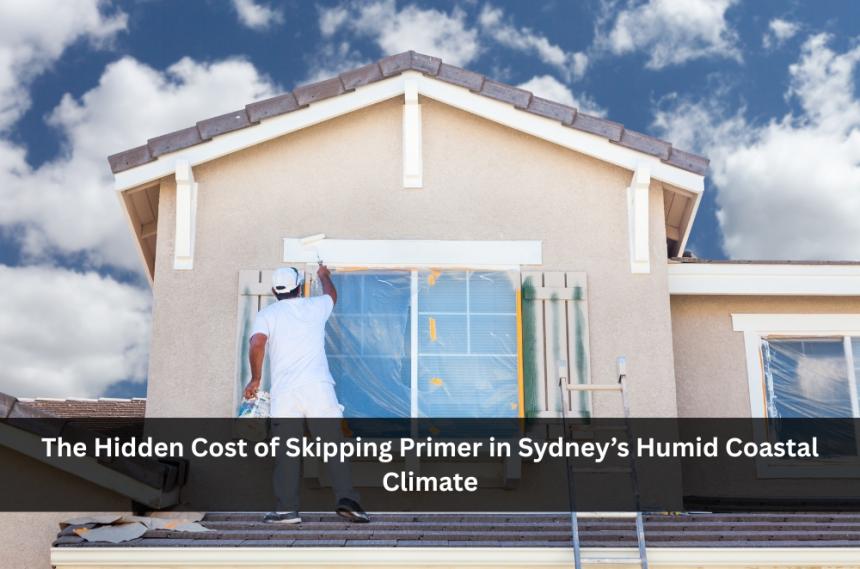

The Hidden Cost of Skipping Primer in Sydney’s Humid Coastal Climate
Thinking of saving time (and budget) by skipping primer? Sydney’s coastal humidity can turn that shortcut into peeling, patchy walls. Learn when primer matters, common moisture traps, and how to avoid costly repaints.
Sydney’s salt-tinged sea breezes and lingering summer humidity give the city its laid-back feel—but they’re tough on paint. Homeowners in a hurry sometimes hear that “modern paints have primer built in,” so a single coat should be fine. In practice, skipping primer can turn a weekend refresh into a flaky, mould-speckled headache well before the next calendar year clicks over.
Below, we unpack why primer is still a non-negotiable step along the harbour, the warning signs of adhesion failure, and how to protect walls, ceilings, exteriors, and timber in Sydney’s changeable coastal climate. We’ll also explain why advice from a reliable Sydney house painter can make the difference between a finish that lasts for years and one that requires premature touch-ups.
1. Why Humidity Plus Salt Spray Is a Primer’s Ultimate Stress TestSydney’s climate is classified as humid subtropical. According to the Australian Bureau of Meteorology, relative humidity at 9 am averages around 68 percent—higher still after overnight sea breezes have pushed moisture inland. Add invisible salt crystals settling on walls and you have a recipe for:
• Surface moisture that blocks paint from bonding properly
• Microscopic salt particles that attract more moisture later, expanding under paint films
• Increased risk of mildew and mould spores taking hold in the slightly tacky surface layer
Primer creates a chemical bridge between the substrate and the colour coat, sealing pores, locking down chalky or salty residue, and offering light mildew resistance. Skipping that step leaves your topcoat to fight all three battles alone.
Common Misconception: “My Paint Says ‘Self-Priming’—I’m Covered”Self-priming labels typically assume the surface is clean, sound, and similar in colour. They don’t account for:
• Porous bare gyprock corners that soak up moisture
• Previously oil-based enamels now being coated with acrylic
• UV-worn timber where fibres are open and thirsty
• Alkali surfaces (fresh cement render) that can burn the colour coat
A separate primer tailored to the surface still delivers the highest bond strength and longest life.
2. Shortcut vs. Long Game: What Skipping Primer Really CostsA can of premium primer is roughly 15 – 20 percent of most repaint material budgets. Easy to trim—until you map the hidden follow-on expenses.
Oversight (No Primer)Likely Result Within 12–24 MonthsHidden CostPaint peels on bathroom ceilingSteam penetrates unsealed surface, breaking adhesionRepaint labour + bathroom downtimeFlaking weatherboards on the southerly faceSalt-laden mist undermines topcoatScaffold hire + exterior repaintStains from old water leak reappearPrimer with stain blocker was skippedPatching, sanding, repainting the patchColour looks dull or patchyPorous areas sucked in finish coat unevenlyAdditional coats of premium paintHairline cracks on fresh render telegraph throughPrimer/filler missed, surface movement visibleCrack repairs + repaint whole wallWhen the “cheap wins” are placed side by side, primer is the smaller line item.
Case in Point: Interior Repaints in Airy Federation HomesFederation timber panelling is infamous for tannin bleed-through. A shellac-based primer blocks those stains; acrylic topcoat alone won’t. Repainting a stained wall later means sanding back, isolating the tannin, and touching up—far exceeding the $15–$20 a litre you “saved”.
Readers exploring environmentally safer paint blends may also find this guide to Low-VOC and eco-friendly paint options helpful when choosing compatible primers and finishes.
3. Surfaces That Beg for a Quality Primer in Sydney3.1 Bare or Powdery GyprockBrand-new extensions or skim-coated repairs leave plasterboard dusty. Primer seals chalk and evens porosity, stopping “furry” texture under light.
3.2 UV-Beaten Timber and WeatherboardsSun-baked western façades open up wood grain. A high-build timber primer swells fibres so the first colour coat can flow smoothly, blocking sap and residual tannins.
3.3 Fresh Cement Render and Bagged BrickworkNew mineral surfaces stay alkaline for weeks. Alkalinity can burn colour coats, leaving blotchy patches. Mineral-tolerant primer buffers the pH, so colour stays true.
3.4 Gloss Enamel Trim Switching to AcrylicKitchen skirtings originally painted in oil-based enamel confuse DIYers. Light sanding PLUS a dedicated adhesion primer prevents easy scratching of new water-based enamels.
4. How Sydney Homeowners Can Check If Primer Was SkippedA basic fingertip and tape test tells a surprisingly clear story:
- Press masking tape firmly onto a suspect patch, wait 30 seconds, and rip.
- If colour flakes come off, or the finish feels almost “rubbery”, adhesion is failing.
- Shine a torch side-on; patchy gloss differences often indicate porous vs. sealed sections.
Notice any of those early warnings? Calling in a local professional painters team can save an escalating mess by stripping or sanding back before moisture works deeper into timber, plaster, or masonry.
(Anchor text type: long-tail natural; backlink appears once, in the midpoint of the article.)
5. Primer Selection Cheat-Sheet for Coastal ConditionsNot all primers wear the same armour. Here’s a quick reference for common Sydney substrates:
SurfaceCoastal Risk FactorRecommended Primer TypeKey BenefitExterior weatherboardsSalt spray, UVAcrylic exterior sealer/primerFlexible, resists salt crystalsBathroom ceilingsSteam, mouldMould-inhibiting acrylic primerBlocks moisture, inhibits sporesHigh-tannin hardwood trimsTannin bleedShellac-based blockerLocks tannins, quick dryingFresh cement renderHigh alkalinityAlkali-resistant acrylic primerNeutralises pH, improves adhesionPreviously glossy enamelPoor keyBonding adhesion primerGrips without full sandingUse this as a conversation starter with a paint supplier or your chosen contractor; most reputable brands have chart cross-references if your surface sits between categories.
6. Mistakes to Avoid When Priming in Humid Conditions- Late-Afternoon Coating – Humidity spikes overnight; uncured primer may absorb moisture, whitening or blistering. Aim for mid-morning application.
- Skipping the Moisture Meter – Timber should be below ~15 percent moisture; anything higher risks blistering.
- Heavy Roller Nap on Smooth Walls – Leaves texture in primer that telegraphs through two colour coats. Use 10–12 mm nap indoors.
- Leaving Salt Deposits on Exteriors – Power-wash and allow full dry time; primer is not a salt neutraliser on its own.
- Assuming One Size Fits All – Interior multipurpose primers are rarely exterior-grade in coastal zones. Check the label and data sheet.
• “Tinting the first colour coat counts as primer.”
– Tinted coats can help colour coverage but won’t seal porous spots or block stains.
• “Two thick colour coats beat one primer plus two thin coats.”
– Overspread paint can sag, and solvents struggle to escape, causing bubbles. The combined dry film thickness is often less even.
• “It’s only a rental; it doesn’t need to last five years.”
– Cheap jobs that peel will make final bond cleaning harder—and you’re still liable for professional repairs.
8. Deciding When to Call a ProPrimer selection and application feel straightforward until multiple conditions collide: humidity, old oil paint, salt exposure, and uneven substrates. Professional painters:
• Carry moisture meters and pH testers to quantify risk levels.
• Know manufacturer recoat windows—vital when trades overlap, e.g., tilers and sparkies coming through.
• Can sequence high-build primers, undercoats, and finishing coats so tenants or families spend minimal time off-site.
Choosing a qualified crew may absorb a little more of the budget upfront, yet it’s measurably cheaper than a full strip-back two summers later.
Final ThoughtsPrimer rarely steals the limelight on Instagram renovation reels, yet it’s the unsung hero against Sydney’s coastal cocktail of humidity, salt, and UV. Whether you’re touching up a terrace in Newtown or repainting weatherboards in Manly, a deliberate priming step helps paint cling, colours pop, and mould stay away. Investing in that slim can on the first pass is the simplest way to dodge flaky frustration—and ensure the next coat of colour lives its full, vibrant life.
Thermal Behaviour on a Wide Format Fiber Laser Cutting Machine Is a Pr...
There is a number on the specification sheet of every Fiber Laser Cutting Machine that get...

Formulation Problems That Look Like Machine Problems
There is a particular failure mode in laboratory wet grinding that recurs constantly: the...
Reading a Bead Mill Specification Sheet Without Being Misled
Vendor specification sheets are written to describe a machine, not to qualify it for your...
Payments, Privacy, and Protection: A Practical Guide for Safer Online...
Payments, Privacy, and Protection: A Practical Guide for Safer Online Betting in Malaysia

Odds, Margins, and Smart Habits: Understanding Sports Betting in Malay...
Odds, Margins, and Smart Habits: Understanding Sports Betting in Malaysia