

The Future of Home Comfort with Spray Foam in Soda Springs, ID
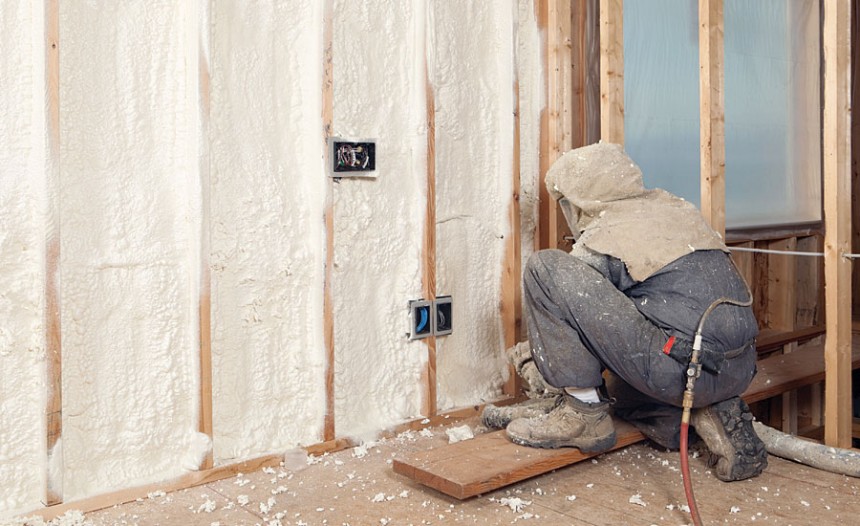
The future of home comfort in Soda Springs, Idaho, is directly tied to creating highly efficient, airtight building envelopes, and spray foam insulation is at the forefront of this shift. For local homeowners, this material offers a lasting solution to the region's dramatic temperature swings, from freezing winters to hot summers. Unlike traditional insulation, spray foam expands to fill every crack and gap, effectively stopping air leakage, which is a primary cause of energy loss.
Partnering with an experienced spray foam insulation contractor in Soda Springs, ID, ensures that the material is applied correctly and delivers the long-term performance homeowners expect. This article, based on insights from seasoned insulation professionals, will explore why spray foam is becoming the standard for modern home comfort and efficiency in the area.
Why Spray Foam Is Gaining Traction in Soda Springs
Homes in Soda Springs face unique climate challenges. The cold, snowy winters demand insulation that not only has a high R-value but also prevents moisture issues and ice dams. Spray foam insulation directly addresses these concerns. Its ability to form a continuous air and moisture barrier makes it particularly effective in preventing the warm, moist air from inside a home from meeting the cold roof deck, which is how ice dams form.
Recent studies show that air leakage can account for up to 40% of a home's heating and cooling costs. By creating a nearly impenetrable seal, spray foam significantly cuts down on this waste. This translates into more stable indoor temperatures year-round and lower monthly energy bills. Homeowners are finding that the initial investment often pays for itself through these long-term savings. The material also adds structural rigidity to walls and roofs, a secondary benefit that helps homes withstand heavy snow loads common in southeastern Idaho.
Comparing Insulation Options for Idaho Homes
When choosing insulation, it’s helpful to see how different materials stack up. Traditional options like fiberglass batts and blown-in cellulose have been used for decades, but they don't offer the same level of performance as spray foam, especially when it comes to air sealing.
Here’s a quick comparison of the most common insulation types for residential use:
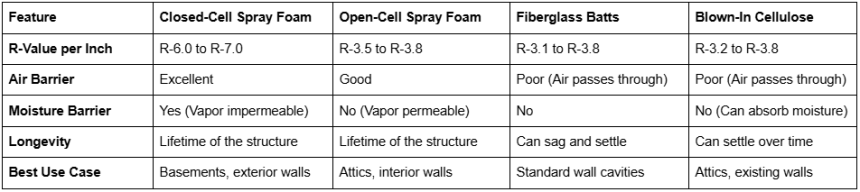
Bonus Tip: For basements or crawl spaces in Soda Springs, closed-cell spray foam is the superior choice. Its dense structure acts as a vapor barrier, preventing ground moisture from entering the home, which helps avoid mold and mildew problems.
Long-Term Benefits Beyond Temperature Control
The advantages of spray foam extend well beyond just keeping a home warm or cool. Because it creates such a tight seal, it drastically improves indoor air quality. Pollutants, allergens, and dust from the outside have a much harder time getting in. For families with allergies or respiratory sensitivities, this can make a noticeable difference in their daily comfort.
Another often overlooked benefit is noise reduction. Open-cell spray foam, in particular, has excellent sound-dampening qualities. It absorbs sound waves, making homes quieter and more peaceful. This is especially useful for homes near busy roads or for reducing noise transfer between rooms and floors. The solid, gap-free barrier that spray foam creates simply makes it more difficult for outside disturbances to penetrate the living space.
Things to Consider Before Making a Decision
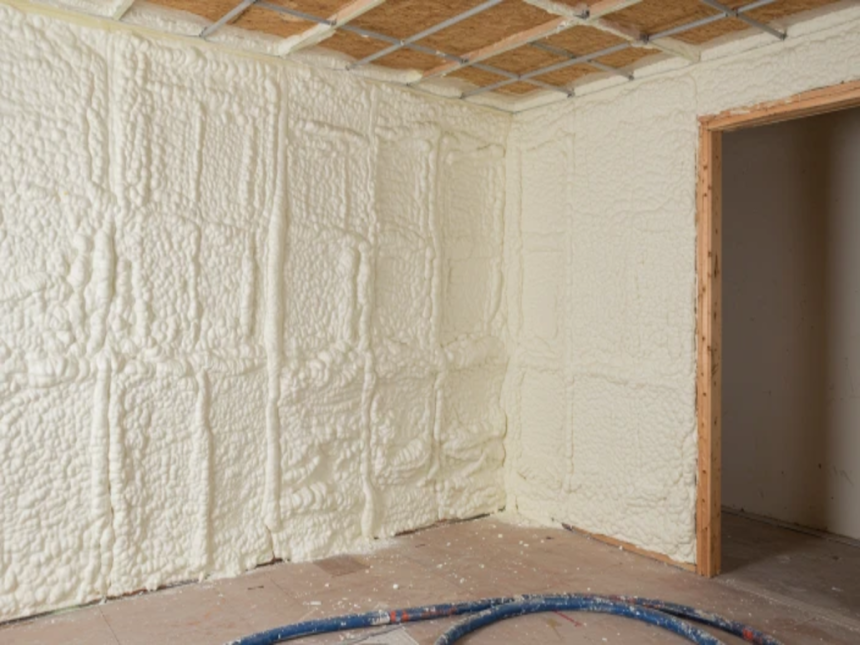
Before committing to spray foam insulation, homeowners should think about a few key factors. First is the upfront cost. Spray foam is generally more expensive to install than fiberglass or cellulose. It’s important to weigh this initial expense against the potential for long-term energy savings and increased home value.
The condition of the home is another consideration. For older homes, professional installers need to ensure there is adequate ventilation, especially in the attic. Sealing a home too tightly without proper mechanical ventilation can sometimes lead to issues with stale air. A reputable contractor will assess the entire home system, not just the insulation.
Finally, the quality of the installation is everything. Spray foam is a chemical product mixed on-site, and its performance depends entirely on the skill of the application team. Homeowners should look for experienced, certified professionals who understand the local building codes and climate requirements.
Bonus Tip: Consider getting a professional energy audit done before you decide. An audit can pinpoint exactly where your home is losing the most energy, ensuring you invest in insulation where it will have the greatest impact.
Common Questions About Spray Foam Insulation
How long does spray foam insulation last?
Spray foam insulation is incredibly durable. When installed correctly, it doesn't sag, settle, or degrade over time. It should last for the entire life of the building.
Is spray foam environmentally friendly?
Modern spray foams have evolved significantly. Many formulas are now water-blown and use materials made from recycled plastics and renewable resources like soy or vegetable oil. They also reduce a home's carbon footprint over its lifetime by cutting energy consumption.
Can spray foam be installed in an existing home?
Yes, it's a popular choice for retrofitting. Installers can inject foam into existing wall cavities or apply it to open areas like attics, crawl spaces, and basements to improve the efficiency of an older home.
Does spray foam insulation smell?
There is a distinct odor during the installation and curing process. However, professionals use proper ventilation, and once the foam has fully cured (typically within 24 hours), it is inert and odorless.
Will spray foam help with pest problems?
Because it creates a solid, seamless barrier, spray foam can help deter pests. It doesn't provide a food source like some other materials, and it seals the small cracks and holes that insects and rodents often use to enter a home.
Making the Right Insulation Choice for Your Home
For residents of Soda Springs, upgrading to spray foam insulation is a forward-thinking move. It addresses the specific challenges of the local climate, providing a powerful defense against energy loss, moisture, and air leakage. While the initial cost is higher than traditional materials, the long-term benefits in energy savings, improved comfort, and better indoor air quality present a strong case. Before making a choice, homeowners should evaluate their specific needs, budget, and long-term goals for their property.
Getting Expert Advice for Your Project
After exploring the options, many homeowners in the Soda Springs area find that consulting a professional is a helpful next step. An experienced team can evaluate a home’s specific needs and recommend the most effective solution. For instance, companies like High Country Solutions specialize in these types of applications and provide detailed consultations. They can be reached at (307) 248-9063 or by email at [email protected] to discuss project requirements and determine the best approach for a home.
Author: Skeeter Aimone is a co-founder of High Country Solutions, where he focuses on building science and energy-efficient construction materials. Brad Morrison, his partner, leads the company’s application technology and quality control, ensuring installations meet the highest performance standards. High Country Solutions was established in 2018, and its team brings years of combined experience in helping homeowners improve their properties with modern insulation solutions.
Reviewer: Samuel Harris has worked in the spray foam insulation industry for over 11 years, from application to project management. His review focused on the technical accuracy and practical advice provided to homeowners.
BHKP Price Trend Q3 2026 | Global Price Trends, Forecast, Chart, Price...

Linglong Green-Max EcoTouring Tyres for Comfortable Everyday Driving
Discover Linglong Green-Max EcoTouring tyres in Liverpool. Explore low rolling resistance,...

Coin Laundry Machines in Dubai Marina
Coin Laundry Machines in Dubai Marina