The 50% Standard: What to Look for in Salix Alba Extract from China
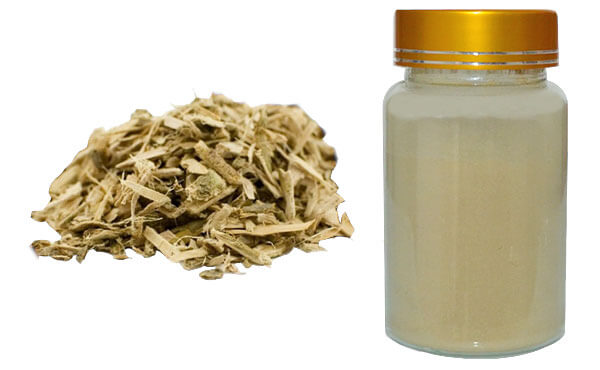
White willow bark has maintained its place in the natural products industry for decades. As the botanical source that historically led to the development of modern pain relief compounds, it continues to be a staple in joint health formulations, sports recovery supplements, and general wellness products. Among the various extracts available, the 50% Salicin Salix alba specification represents a higher concentration tier that appeals to manufacturers seeking potency without excessive botanical bulk. When sourcing this ingredient at wholesale volume, China has become the dominant supplier for the global market. The country's extract manufacturing sector has invested heavily in the technology and quality control systems necessary to produce consistent, high-potency botanical extracts. However, sourcing a concentrated extract like 50% Salicin requires a different approach than purchasing raw powders or lower-percentage products. The stakes are higher, the testing requirements are more rigorous, and the supplier selection process demands greater attention to detail. Understanding Salicin and Salix alba Salix alba, commonly known as white willow, contains a group of phenolic glycosides, with salicin being the most well-known and studied. When consumed, salicin is metabolized into salicylic acid, which provides the properties that have made this botanical valuable for centuries. The shift to a 50% Salicin standardized extract represents a significant concentration. Raw white willow bark typically contains anywhere from 1% to 10% salicin depending on the season, growing conditions, and specific plant variety. Achieving a 50% concentration requires careful selection of raw materials and sophisticated extraction processes that isolate the active compounds while removing inactive plant fibers and other constituents. For formulators, this concentration offers practical advantages. A 50% extract allows for smaller capsule sizes, reduced tablet weights, and more flexibility in combination products where multiple active ingredients need to fit into a single dosage form. It also provides consistency that raw bark powder cannot match, ensuring that every batch delivers the same level of active compounds. The China Supplier Landscape for High-Concentration Extracts China's botanical extract industry has matured significantly over the past two decades. The manufacturers that specialize in high-concentration products like 50% Salicin are typically larger operations with substantial investment in extraction equipment, analytical laboratories, and quality management systems. These facilities are often located in industrial zones in provinces such as Shaanxi, Hunan, and Jiangsu, where infrastructure supports the specialized needs of botanical processing. One of the distinguishing characteristics of suppliers who successfully produce 50% Salicin is their access to consistent raw material. Salix alba bark must be sourced from reliable cultivation operations or wild harvest programs with established quality parameters. Manufacturers who control their raw material supply chain, either through direct relationships with growers or through vertically integrated operations, are better positioned to maintain consistent extract quality. The extraction process for a 50% concentration typically involves multiple steps. Initial extraction removes the salicin and other soluble compounds from the bark. Subsequent purification steps concentrate the salicin while reducing other plant constituents. This process requires expertise in solvent selection, temperature control, and drying methods that preserve the stability of the active compounds. Suppliers who have been producing this specification for years will have refined their processes to achieve consistent results batch after batch. Documentation and Quality Verification When purchasing a concentrated extract from a China wholesale supplier, documentation becomes the primary tool for quality assurance. A Certificate of Analysis for 50% Salicin should clearly state the HPLC test result confirming the 50% concentration. However, experienced buyers look beyond that single number. Heavy metal testing is particularly important for concentrated extracts. Because the extraction process concentrates the desired compounds, it can also concentrate any contaminants present in the raw material. A reliable supplier will provide test results showing lead, arsenic, cadmium, and mercury levels that meet or exceed international standards such as those set by the USP or the California Proposition 65 requirements. Microbiological testing is another critical component. High-concentration extracts can be more susceptible to certain quality issues if manufacturing conditions are not properly controlled. The COA should include total plate count, yeast and mold, and pathogen testing for Salmonella, E. coli, and Staphylococcus aureus. Solvent residue data is also relevant for this specification. Achieving a 50% concentration often involves the use of solvents such as ethanol, methanol, or ethyl acetate during the purification steps. A reputable supplier will provide documentation showing that residual solvents have been reduced to safe levels well below regulatory limits. Beyond the COA, buyers may request additional documentation such as a flow chart of the manufacturing process, allergen statements, and non-GMO verification. Suppliers who are accustomed to working with international buyers will have these documents readily available. Batch Consistency and Scalability One of the challenges in sourcing high-concentration botanical extracts is maintaining consistency across production runs. Natural variability in the raw material means that each batch requires careful adjustment of the extraction and purification parameters to achieve the same final specification. A reliable China supplier will have established quality control protocols that include in-process testing at multiple stages. Rather than waiting until the final product is dried and packaged, they test the extract during the concentration process to ensure that the salicin level is tracking toward the 50% target. This approach reduces the risk of out-of-specification batches and ensures that what arrives at your facility meets expectations. Scalability is another consideration. For brands that are growing, the ability to increase order volumes without sacrificing quality is essential. Suppliers who have invested in production capacity and maintain relationships with multiple raw material sources are better equipped to handle increased demand. It is worth asking potential suppliers about their maximum monthly production capacity for 50% Salicin and their typical lead times for both initial orders and reorders. Practical Sourcing Considerations Minimum order quantities for a 50% Salicin extract are typically higher than for lower-percentage products due to the additional processing steps involved. It is common to see MOQs starting at 25 kilograms and ranging up to 100 kilograms or more depending on the supplier. For buyers who are new to this ingredient, many suppliers will offer sample quantities for testing and validation before committing to full production volumes. Pricing for a 50% extract reflects the additional processing and the higher concentration of active compounds. When comparing quotes from different suppliers, it is important to ensure that all are quoting the same specification with the same testing methods. A lower price may indicate differences in raw material quality, testing rigor, or manufacturing standards that could affect the final product. Shipping and logistics should also be considered. High-concentration extracts are typically shipped in sealed drums or double-layer polyethylene bags to protect against moisture and contamination. Suppliers with experience in international shipping will be familiar with the documentation required for customs clearance, including commercial invoices, packing lists, and any necessary phytosanitary certificates. Final Thoughts Sourcing 50% Salicin Salix alba extract from a China wholesale supplier is a practical path for manufacturers who need a concentrated, standardized botanical ingredient. The key to a successful sourcing relationship lies in thorough due diligence. Reviewing Certificates of Analysis, confirming HPLC testing methods, verifying heavy metal and microbiological data, and understanding the supplier's manufacturing capabilities all contribute to a more reliable supply chain. By approaching the process with clear expectations and a focus on quality documentation, buyers can secure a consistent source of this high-potency extract that meets the demands of their formulations and the expectations of their customers.
Buy WAVE Business Account Risks: Essential Facts You Must Know
Buy WAVE Business Account Risks: Essential Facts You Must Know Buy WAVE business accoun...

Buy WAVE Business Account Risks: Essential Facts You Must Know
Buy WAVE Business Account Risks: Essential Facts You Must Know Buy WAVE business accoun...
Buy WAVE Business Account Risks: Essential Facts You Must Know
Buy WAVE Business Account Risks: Essential Facts You Must Know Buy WAVE business accoun...
Get POF Account Online – Complete Review & Research Guide
Get POF Account Online – Complete Review & Research Guide Plenty of Fish (POF) is one of...
Get POF Account Legality Analysis: The Ultimate Expert Guide
Get POF Account Legality Analysis: The Ultimate Expert Guide Plenty of Fish (POF) is one...