
Tanzania Safari: Into the Raw Heart of the African Wilderness
A Tanzania Safari is a journey into a world where nature still leads. It is a place where landscapes remain vast, wildlife moves freely, and every moment feels shaped by the wild itself.
A Tanzania Safari is not just a travel plan—it is an immersion into one of the last great wilderness regions on Earth. Located in Tanzania, this destination offers a rare chance to experience ecosystems where nature still operates without interruption, where predators hunt across open plains, and where massive herds move in rhythm with the seasons.
What makes this journey so powerful is not only the wildlife itself, but the feeling of scale. Everything in Tanzania feels vast—landscapes stretch endlessly, skies dominate the horizon, and animal encounters feel deeply authentic and unscripted.
What Defines a True Tanzania Safari ExperienceA Tanzania Safari is defined by freedom—both for the traveler and the wildlife. Animals are not confined to small reserves but roam across enormous protected landscapes. This creates natural behavior patterns that are unpredictable and incredibly engaging to witness.
Each day on safari unfolds differently. One morning may bring a quiet encounter with grazing giraffes, while the afternoon might reveal a dramatic chase between predators and prey. The wilderness does not follow a schedule, which is exactly what makes it unforgettable.
The diversity of terrain also enhances the experience. Tanzania includes open savannahs, forested valleys, volcanic formations, and lake ecosystems, all supporting unique wildlife communities.
Serengeti: Where Nature Writes Its Own StoryAt the center of any Tanzania Safari lies the legendary Serengeti ecosystem. This vast region is one of the most biologically rich landscapes on the planet, known for its endless golden grasslands and extraordinary wildlife density.
The Serengeti’s most famous event is the Great Migration, a continuous movement of millions of wildebeest, zebras, and gazelles. Unlike a single event, this migration is a year-round cycle driven by rainfall patterns and survival needs.
As the herds move, they face constant challenges from predators. Lions stalk from the grass, crocodiles wait in river crossings, and cheetahs chase across open plains. These interactions create some of the most dramatic wildlife scenes in the natural world.
Even outside migration periods, the Serengeti remains alive with activity, offering consistent sightings of elephants, hyenas, giraffes, and large prides of lions.
Ngorongoro Crater: A World Within a VolcanoAnother extraordinary stop on a Tanzania Safari is the Ngorongoro Crater. This massive volcanic caldera has evolved into a self-contained ecosystem where wildlife thrives in remarkable density.
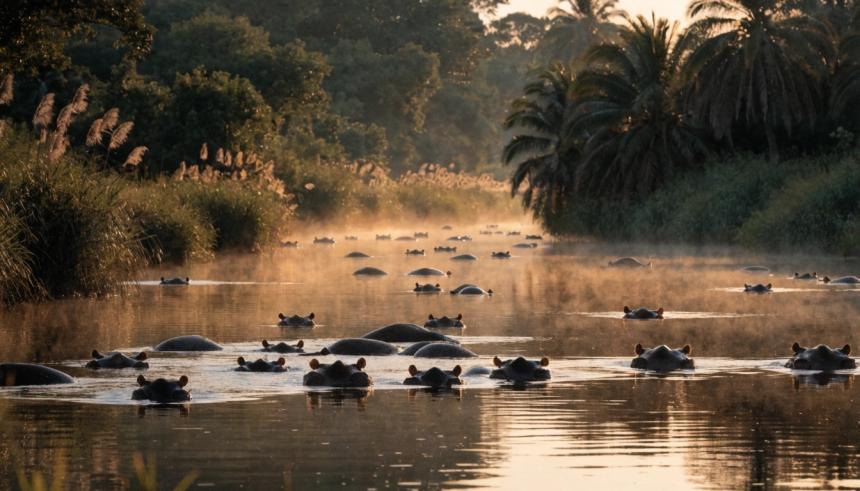
Unlike open parks, the crater creates a natural enclosure that supports a stable population of animals year-round. Within its walls, travelers encounter lions patrolling grasslands, hippos resting in water pools, and flamingos gathering along alkaline lakes.
The compact geography allows visitors to see a wide range of species in a single game drive, making it one of the most efficient wildlife viewing areas in Africa. The surrounding crater walls also provide a breathtaking panoramic backdrop that enhances every sighting.
Tarangire: The Land of Ancient GiantsTarangire National Park offers a different but equally captivating dimension of a Tanzania Safari. The park is best known for its large elephant herds, often seen moving together in impressive family groups.
The landscape here is dominated by ancient baobab trees, which give the park a timeless and almost prehistoric appearance. These massive trees stand as silent witnesses to centuries of natural history.
During dry periods, wildlife converges around the Tarangire River, turning the park into a concentrated hub of animal activity. This seasonal gathering creates excellent opportunities to observe predator-prey interactions and large herd movements.
Lake Manyara: Small Park, Big DiversityLake Manyara National Park may be smaller than other safari destinations, but it delivers remarkable ecological variety. The park transitions quickly between dense forests, open plains, and the shimmering alkaline lake that defines its name.
This lake attracts thousands of flamingos during certain seasons, creating a vivid pink shoreline that contrasts beautifully with the surrounding greenery. Birdlife here is especially rich, making it a favorite destination for birdwatchers.
One of the park’s most unusual highlights is the presence of tree-climbing lions. These rare sightings continue to fascinate visitors and add a unique element to the safari experience.
Different Ways to Experience a Tanzania SafariA Tanzania Safari can be tailored to suit different travel styles, comfort levels, and budgets.
Luxury safaris focus on exclusivity and comfort, offering elegant lodges, private guides, and carefully designed itineraries. These experiences allow travelers to enjoy the wilderness without sacrificing convenience.
Mid-range safaris offer balanced comfort with well-planned accommodations and guided tours at a reasonable cost, making them accessible to a wider range of travelers.
Camping safaris bring travelers closest to nature. Sleeping in tents within or near wildlife areas allows for full immersion in the sounds and rhythms of the bush.
Private safaris provide flexibility in planning, while group safaris encourage shared experiences and more economical travel.
When to Go for the Best ExperienceThe timing of a Tanzania Safari significantly influences what travelers will see.
The dry season, from June to October, is considered ideal for wildlife viewing. With limited water sources available, animals gather in predictable areas, making sightings easier and more frequent.
The green season, from November to May, transforms the landscape into lush, vibrant scenery. Although wildlife spreads out more, this period offers excellent photography conditions, fewer crowds, and the opportunity to see newborn animals.
Each season reveals a different personality of Tanzania’s wilderness.
Culture and Human Connection in the WildBeyond wildlife, a Tanzania Safari also offers meaningful cultural experiences. Encounters with Maasai communities provide insight into traditional lifestyles that have existed alongside wildlife for generations.
These interactions highlight a rare balance between human life and natural ecosystems, adding cultural depth to the safari journey.
Many travelers extend their trip to coastal Zanzibar, where white beaches and turquoise waters create a calm contrast to the intensity of the safari experience.
Final ThoughtsA Tanzania Safari is a journey into a world where nature still leads. It is a place where landscapes remain vast, wildlife moves freely, and every moment feels shaped by the wild itself.
From the endless plains of the Serengeti to the enclosed beauty of Ngorongoro, the elephant-rich valleys of Tarangire, and the diverse ecosystems of Lake Manyara, each destination contributes something unforgettable.
For those seeking adventure, authenticity, and a deep connection with the natural world, a Tanzania Safari stands as one of the most powerful travel experiences on Earth.



What European Manufacturers Need From an Indian Event Partner
European manufacturers expanding in India bring high standards with them. They expect prec...



NBSK Pulp Price Trend Q2 2026 | Global Price Trends, Forecast, Chart,...