Sustainable Tourism in Chile: Travel Responsibly with an eVisa
Discover how to explore Chile responsibly with an eVisa while supporting sustainable tourism. From the Atacama Desert to Patagonia, learn how eco-friendly travel choices help preserve Chile’s natural beauty, protect local communities, and reduce your environmental impact—all while making your journey smoother with the convenience of an online visa.
If you’re dreaming of trekking through glaciers, sipping wine beneath the Andes and exploring the wild landscapes of Patagonia, then Chile should be on your radar. Even better: you can pair your adventure with responsible travel practices that respect nature, local cultures and destinations’ futures. This guest post will walk you through everything from visa requirements to sustainable‑tourism principles, logistic tips, and how to make your trip truly meaningful.
Short answer: It depends on your nationality and entry route, but for many travellers the process is straightforward.
For instance: Indian nationals generally do not need a separate tourist visa if they hold a valid U.S. visa (other than type C/transit) with at least six months’ validity at the time of arrival; the maximum stay allowed is up to 90 days.
However, Chile has also been rolling out an eVisa (electronic visa) system for certain nationalities and purposes: Chile Tourist eVisa, business, and transit.
- If your passport country is visa‑exempt for tourist visits to Chile, you may simply enter and receive a “Tourist Card” at arrival.
- If your country is not visa‑exempt, you may need to apply for a tourist visa or an eVisa in advance.
- The eVisa path makes things easier, especially when physical visits to consulates can be avoided.
Before booking flights, check the latest information from the Chilean consulate or the official migration authority in your home country. Rules can differ based on passport, residency status, and airline. And when in doubt: apply a bit earlier than you think you need.

What is the process for applying for a Chile eVisa?
Here’s a step‑by‑step breakdown of how you can apply for Chile eVisa, and what to keep in mind.
Step‑by‑step:- Check eligibility – Visit the online portal and see if your country is listed as eligible for eVisa or visa‑exempt status.
- Gather documents – Typically you’ll need:
- A passport with at least 6 months’ validity beyond your arrival date.
- A valid email address (for receipt of approval).
- Details of travel itinerary (arrival/departure, accommodation, etc).
- Proof of financial means may also be required.
- Complete the application online – Many sites show that you can fill out a form, upload documents, pay a fee via credit/debit card.
- Submit and wait – Processing time varies. Some eVisa sites state up to 30 business days.
- Receive approval – You’ll usually get a PDF or electronic confirmation of your eVisa. Print a copy, and keep a digital one as backup.
- Present on arrival – At the Chile border you’ll present your passport and eVisa confirmation. (More on this below.)
- Keep track of your stay – Note the allowed stay period, any limitations, and follow local rules.
- Some sites mention that the eVisa is valid for up to 90 days for tourism.
- Extensions may be possible (see below).
- If you apply too early, or if you don’t meet eligibility, you risk delays or rejection. As one traveller commented:
“I applied a couple of weeks ago … still no reply from the embassy.”
- Always double‑check you’re using a legitimate official site or consulate portal—not a third‑party copy.

What does “sustainable tourism” mean in the context of Chile?
When we talk about sustainable tourism, we mean travel that’s mindful of the environment, the local community, and the cultural heritage of the place. But what does that look like in Chile?
- According to the Global Sustainable Tourism Council (GSTC) and the national tourism body SERNATUR (Servicio Nacional de Turismo), Chile has adopted certification systems to recognise tourism businesses that meet clear sustainability criteria.
- One article explains that Chile intends to promote tourism that’s “environmentally responsible and socially fairer”.
- Helicopter views aside, Chile’s natural ecosystems are fragile and wide‑ranging: mountains, deserts, forests, fjords. For example, about 22% of Chile’s territory is in protected wildlife areas.
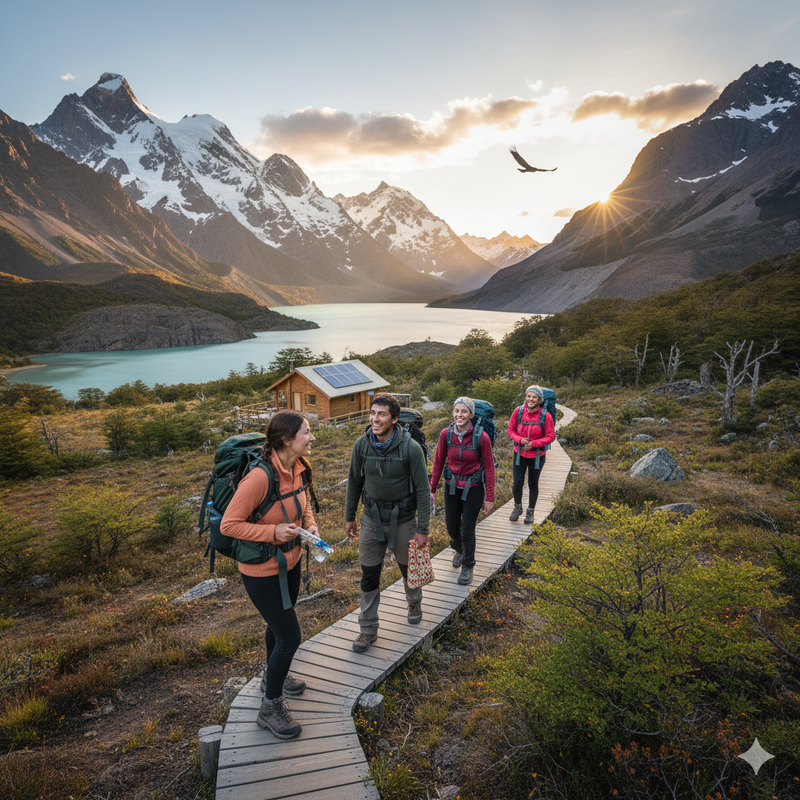
- Choose tours and accommodations that support local communities—hiring local guides, buying local food, staying in locally owned lodges.
- Respect natural environments: stay on marked trails, carry out all waste, minimise plastic.
- Support “green” certified providers. Some providers in Chile actively state they donate to conservation funds.
- Opt for slower, deeper exploration rather than rushing through popular hotspots.
- Understand that “sustainable tourism” isn’t just nature‑friendly—it’s also about economic and social sustainability: making sure tourism benefits the local people long‑term.
Tourism is a major part of Chile’s economy, and as demand for “eco‑friendly” travel goes up, Chile sees sustainability as a competitive advantage. For example, in 2022 Chile earned the title of “World’s Leading Green Destination”.
When booking tours or lodging, ask:
- “What local community benefits from this activity?”
- “Are they using renewable energy, waste reduction, locally sourced food?”
- If you get positive answers, you’re likely choosing more sustainable options.
How long does the Chile tourist eVisa last, and how long can I stay?
Here’s where things can be a little nuanced—especially with the eVisa system still being refined in some places.
Validity and stay duration:- Some sources state that an approved online Chile eVisa allows a stay of up to 90 days.
- A “tourist visa” (non eVisa) for Chile is also typically for a maximum 90 days, although the exact number is decided by immigration authorities.
- If you’re entering under the standard Tourist Card (for visa‑exempt travellers) you’ll often receive permission to stay for up to 90 days at entry.
Let’s say you apply for an eVisa, it’s approved with a stay of 90 days. You arrive in Santiago (or other entry point), and the immigration officer stamps you with that stay. You can then legally stay up to the 90 days, assuming you follow the terms (i.e., tourism only, not work).
- Mark your calendar for your last permitted day of stay and plan your departure accordingly.
- If you receive a printed Tourist Card at arrival, keep it safe — you’ll need it when you leave.
- Make sure your return/ onward ticket falls within the allowed stay period.

Can I extend my stay beyond the tourist eVisa duration?
Yes—with caveats.
What we know:- For a standard tourist visa, sources say you can apply for a Chile eVisa Extension through the Chilean immigration authority (Departamento de Extranjería) before your current permit expires.
- The extension may add up to an additional 90 days (depending on the case).
- For eVisa systems: some references say extension may be possible.
- If you overstay without an approved extension, you risk fines and complications when you leave.
- If you think you’ll want to stay longer than your initial stay period, apply for the extension early, ideally at least a few weeks before your current stay ends.
- Be prepared with updated documents: passport, Tourist Card, proof of accommodation, etc.
- Check with the local migration office in Chile (or inquire online) for the current process and fee.

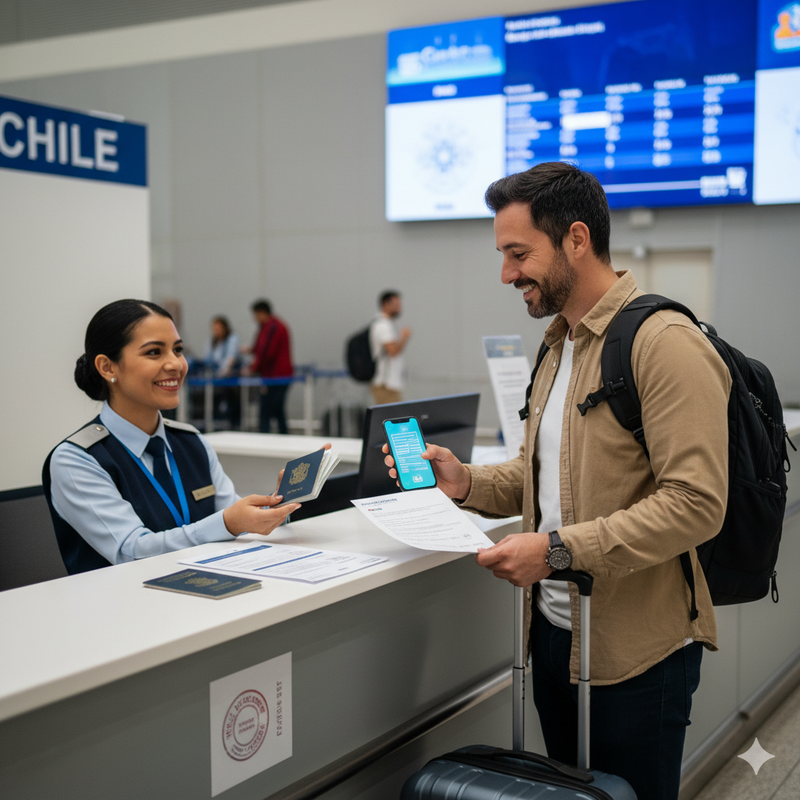
How to show an eVisa at the airport?
When you arrive in Chile with an eVisa, you’ll need to present your documents properly to ensure smooth entry.
What to carry:- Your passport, valid for at least the period specified.
- The printed or digital eVisa approval/authorization document. Even if you have a digital copy, it’s wise to print it — some airlines or immigration desks may require physical documentation.
- Proof of your travel itinerary: entry date, accommodation, onward ticket (if asked).
- Additional documentation (if requested): proof of financial means, travel insurance, etc.
- Before boarding your flight, the airline may verify your visa or eVisa status. Without proper authorization, you could be denied boarding.
- Upon arrival in Chile, at immigration your passport will be stamped/processed, and you may receive a Tourist Card (for some visa‑exempt travellers). For eVisa travellers, the stamp will reflect your authorised stay.
- Keep all documents safe during your stay—you may need them when leaving.
- When travelling, store your eVisa PDF in your email and cellphone cloud backup, plus carry a printed copy in your hand‑luggage.
- Arrive at the airport early: airlines may request additional verification for visas.
- On departure from Chile, keep your arrival stamp/Tourist Card handy—immigration may ask for it.
Are there seasons or times of year better for eco‑travel in Chile?
Absolutely! Timing your trip with both weather patterns and sustainable travel goals in mind can enhance your experience. Chile is a long country from north to south, so the “best” season depends on which region you’ll visit—but here are some general guidelines.
- Summer (December to February): In southern Chile (Patagonia region) this is the warmest time, trails are fully open, daylight is long.
- Shoulder seasons:
- Spring (September–November) – wildflowers, fewer crowds, good value.
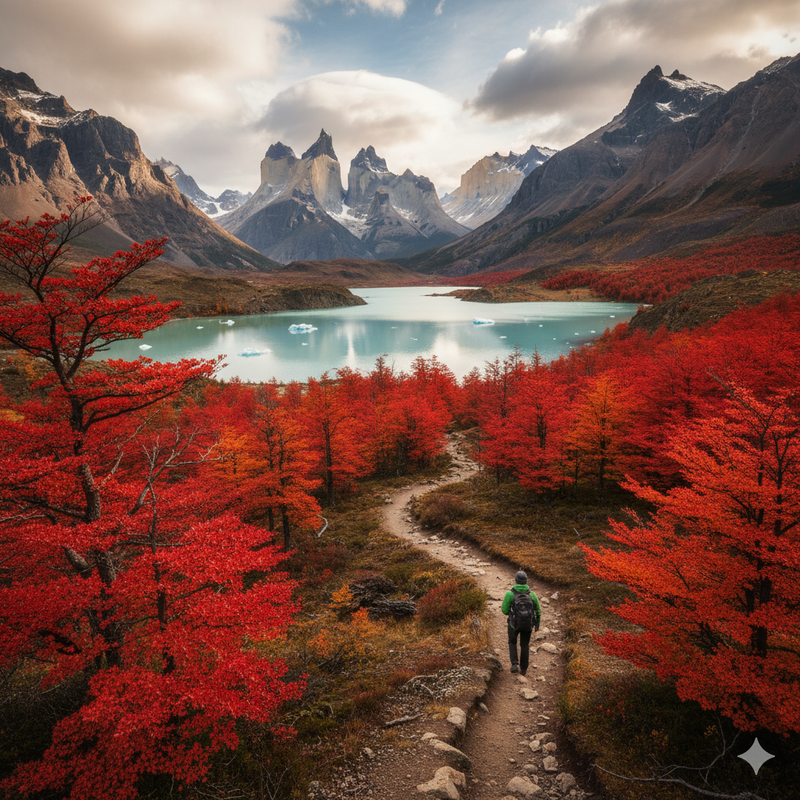
- Autumn (March–May) – vivid foliage, milder weather, fewer tourists.
- Winter (June–August) – In Patagonia many trails close, weather is harsh, though if you’re after solitude this can be interesting.
- Travelling in shoulder seasons often means fewer tourists, which is better for fragile ecosystems and gives you a more authentic experience.
- Weather in some regions (especially south) can be unpredictable—pack accordingly.
- When visiting popular national parks (e.g., Torres del Paine National Park), off‑peak months help reduce environmental pressure and you’ll likely find better deals.
If you want to combine “must‑see” landscapes with responsible travel, aim for March or April (autumn) or October/November (spring). The crowds are thinner, nature is still vibrant, and you’ll feel more connected to place rather than just ticking off highlights.
What happens if my eVisa is rejected or delayed?
It’s wise to plan for this possibility, since visa or eVisa delays can dampen travel plans.
If it’s delayed:- Apply well in advance. Some applicants mention long processing times, especially when additional documents are required. Example:
- “I applied a couple of weeks ago … still no reply from the embassy.”
- Monitor your email (and spam folder) for requests for further documents.
- If your flight is booked early, consider booking with flexible cancellation terms just in case.
- If deadline is approaching and you haven’t got approval, contact the relevant consulate or immigration office directly for a status update.
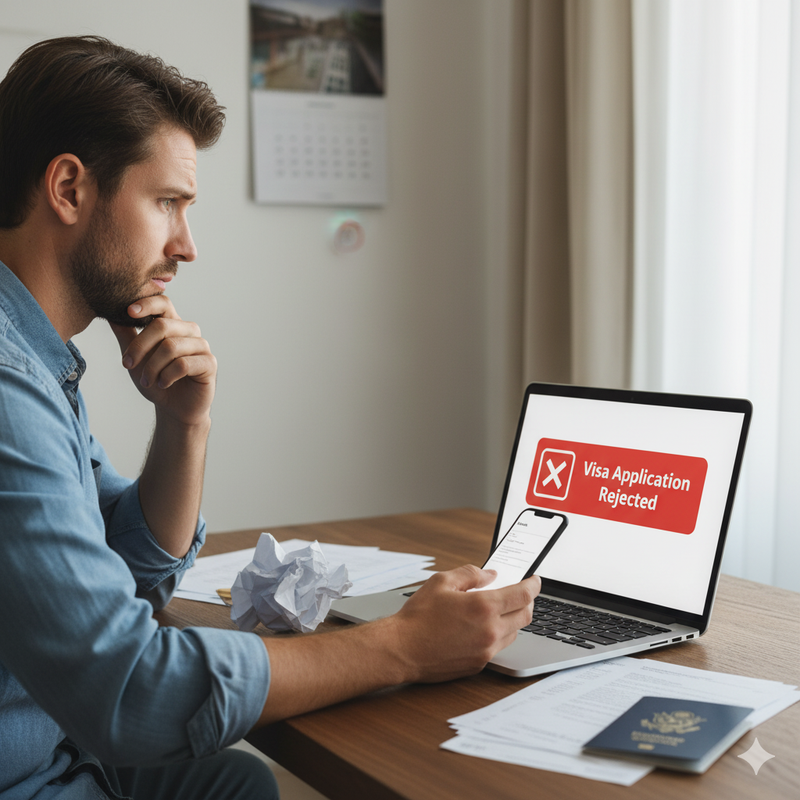
- The rejection should come with a reason (sometimes vague).
- You may be able to reapply, but you’ll need to address the reason for previous rejection.
- Evaluate whether you can travel on another visa category (e.g., regular tourist visa) or alternate entry.
- Check with your airline: they may deny boarding if you lack valid visa/authorization.
- Apply at least 4–6 weeks in advance (or more if your nationality has longer processing times).
- Don’t book non‑refundable flights until your visa is more or less secure.
- Keep note of your application number, consulate contact info, and any communications.
What language is spoken in Chile?
In short: Spanish. But here’s a little more nuance because it matters for sustainable, respectful travel.
Spanish- The official language of Chile is Spanish. In cities like Santiago you’ll find many people (especially in tourism) who speak English, but outside urban centres it’s much less common.
- Chilean Spanish has its own vocabulary, slang and accent (“chileno”), so even if you speak Spanish from other countries you may notice differences.
- In some regions (especially southern Chile), Indigenous communities (such as Mapuche) speak their native languages as well.
- If your sustainable travel involves indigenous communities, respectful engagement and willingness to listen will go a long way.
- Learn a few basic Spanish phrases before you go: greetings, “por favor”, “gracias”, “¿cuánto cuesta?”, “¿dónde está?”. Locals appreciate it.
- Consider downloading an offline Spanish‐Chile phrasebook or translation app for remote areas.
- When booking local tours, ask if guides speak Spanish, or if there’s an English‑speaking option.
Here are some practical tips to help you travel with purpose, enjoy your trip, and minimise your footprint.
- Pack light—but pack smart. In southern Chile weather can change fast: layers, waterproof jacket, good walking shoes.
- Choose reusable items: water bottle (many lodges allow refills), cloth bags, avoid single‑use plastics.
- Research and book tours/accommodations that are certified or clearly committed to sustainability (look for green credentials, local community support).
- Learn about local culture, traditions and environmental etiquette. Respect wildlife, local customs, private property.
- Use local services: restaurants that use local produce, local transport where feasible.
- Take guided tours with eco‑certified operators if possible.
- Stay on marked trails, respect signage in national parks. Don’t remove rocks, plants, or disturb wildlife.
- Offset your carbon where possible: flights to Chile can be long haul. Consider carbon offset options.
- Support local communities by buying crafts, eating locally, tipping fairly.
- If in remote areas, be mindful of waste: some places have limited services—pack out what you pack in.
- In major natural attractions, choose less‑visited times where possible to reduce crowding and pressure.
- In big cities use public transport, walking tours.
- In scenic regions like Patagonia, consider longer stays and fewer transit days rather than “fly‑in, fly‑out”.
- Consider staying in one base and doing day trips—it reduces travel fuel/time and can deepen your experience.
- Chile uses the Chilean Peso (CLP). Carry some cash, especially in remote regions.
- Credit cards widely accepted in cities but remote lodges or excursions may prefer cash.
- Tipping is appreciated but not always expected; 10% in restaurants is common if service is good.
- Travel insurance is essential (medical, evacuation).
- Respect altitude/trekking advice in mountainous regions.
- Chile earthquake zones exist – be aware of safety protocols if you venture into remote area.
- Check weather forecasts and park conditions in advance—some trails close seasonally.
Chile eVisa FAQs
Here’s a handy FAQ section summarising some of the most common questions travellers ask.
Q: Is an eVisa required for everyone travelling to Chile for tourism?
A: No. If you’re from a visa‑exempt country you may enter with a Tourist Card only. If your country requires a visa, you may need an eVisa or regular tourist visa. Always check your nationality category.
Q: How long does the Chile tourist eVisa last?
A: Generally, up to 90 days stay is allowed. (Both for eVisa and tourist visas)
Q: Can I extend my stay beyond the eVisa duration?
A: Yes—in many cases you can apply for an extension before your stay ends. The extension may give you an additional stay period (e.g., up to 90 more days) depending on your situation.
Q: What happens if I overstay without extension?
A: Overstaying can result in fines and restrictions on future travel.
Q: Is the eVisa valid for multiple entries into Chile?
A: For many eVisa systems, the approval is for single entry unless specified otherwise. (This may vary by nationality—check your approval).
Q: Do I need to print the eVisa or can I show it on my phone?
A: It’s strongly advised to carry a printed copy of the approved eVisa, in addition to a digital copy. Some airlines or immigration desks may request a paper print‑out.
Q: What if my eVisa is rejected or delayed?
A: You may reapply if time allows. Make sure to address any stated reasons for rejection. Meanwhile, avoid non‑refundable bookings until you have approval. Regularly follow up with the issuing consulate or immigration office.