Strep Throat vs Cold: How to Tell in Young Children
When young children fall sick, symptoms often overlap, making it hard for parents to tell whether it’s a simple cold or something more serious like strep throat. Knowing the difference matters because strep throat needs medical treatment, while a cold usually clears on its own. This guide explains the key differences in simple language so you can act quickly and confidently.
When young children fall sick, symptoms often overlap, making it hard for parents to tell whether it’s a simple cold or something more serious like strep throat. Knowing the difference matters because strep throat needs medical treatment, while a cold usually clears on its own. This guide explains the key differences in simple language so you can act quickly and confidently.
Strep throat is a bacterial infection caused by group A Streptococcus, while a cold is a viral illness. This difference explains why symptoms, treatment, and recovery times are not the same. Strep Throat Symptoms in Kids often appear suddenly and can feel intense, whereas cold symptoms usually build up slowly over a few days.
Children are more likely to get strep throat than adults, especially between ages 5 and 15. Younger kids can still get it, but their symptoms may be less typical, which adds to the confusion.
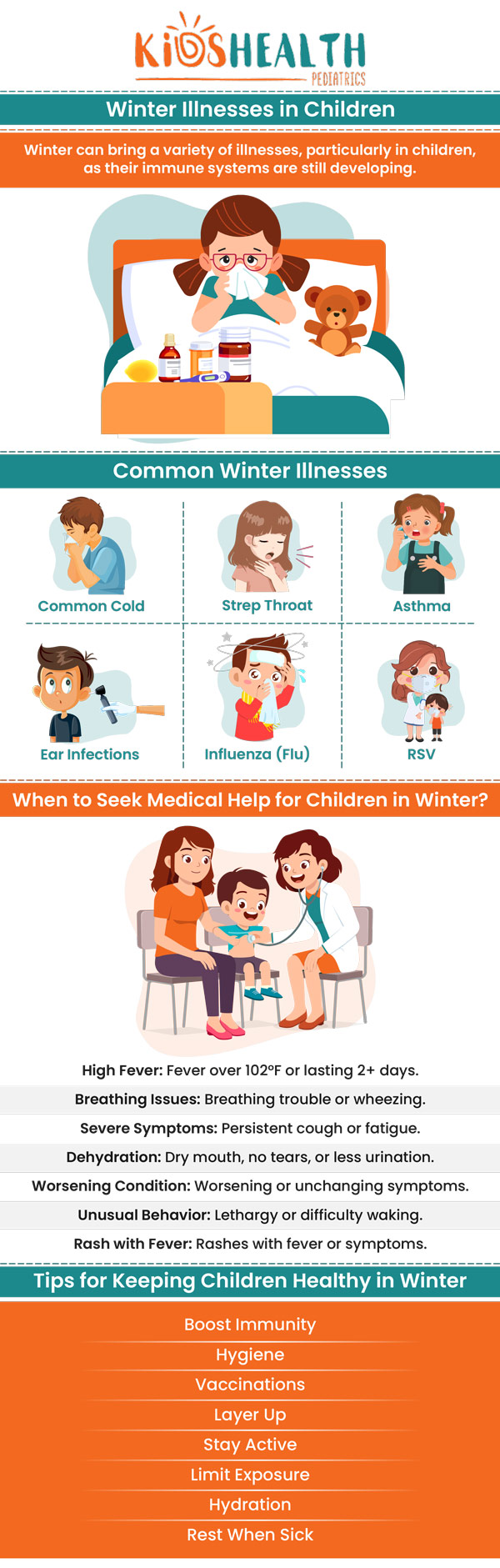

One of the first clues is how fast your child feels unwell. With Strep Throat Symptoms in Kids, fever and throat pain often show up quickly, sometimes within hours. A cold usually starts with a runny nose or sneezing before a sore throat develops.
Other early signs that point toward strep throat include trouble swallowing, swollen glands in the neck, and a child who suddenly refuses food or drink. Cold symptoms are more likely to include coughing, watery eyes, and mild fatigue rather than severe discomfort.
This early stage is important for overall Health and Wellness, because quick recognition helps avoid complications and unnecessary discomfort.
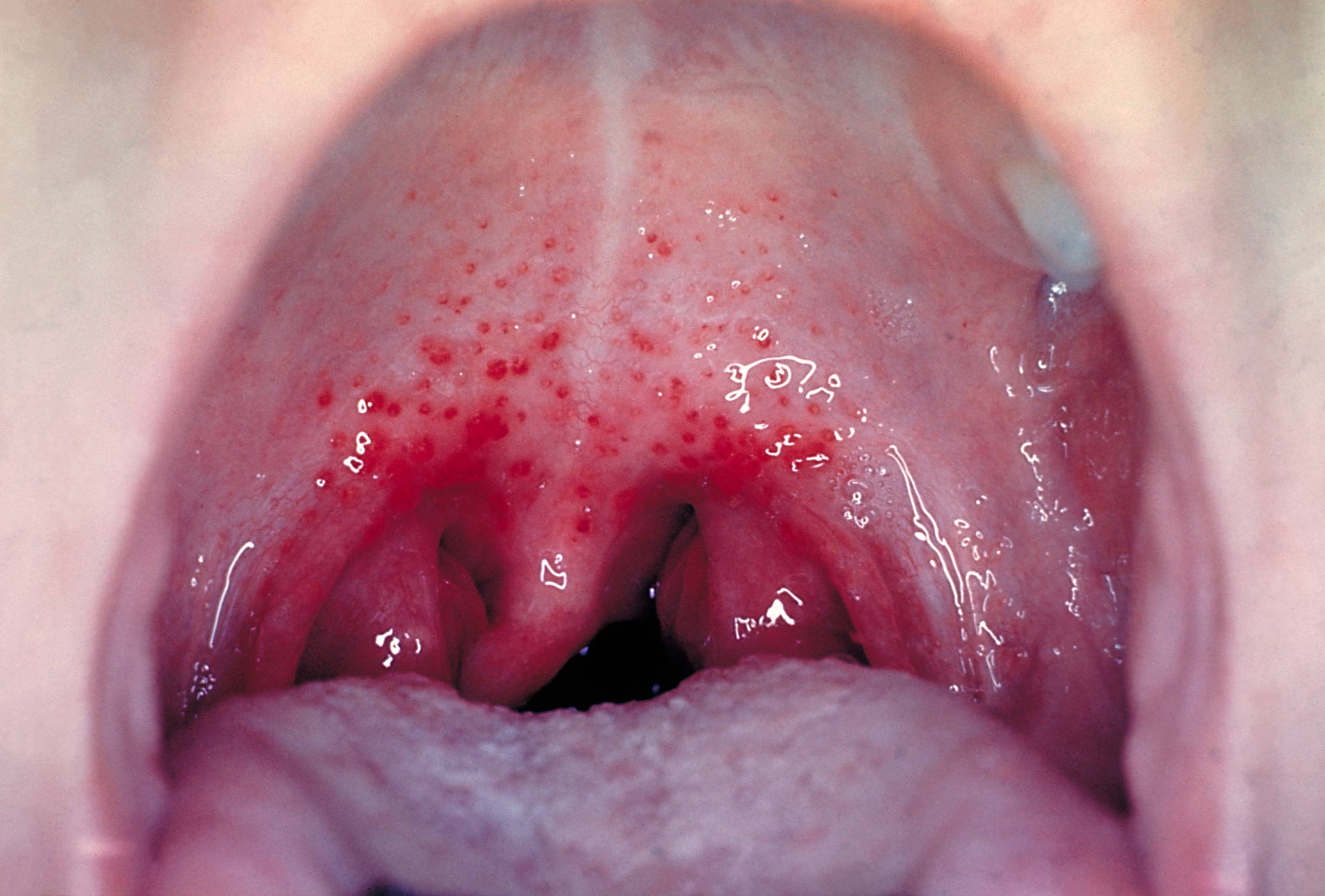
A close look at the throat can be helpful. Strep Throat Symptoms in Kids often include a bright red throat, swollen tonsils, and sometimes white patches or streaks of pus. The pain can be strong enough that children cry or avoid talking.
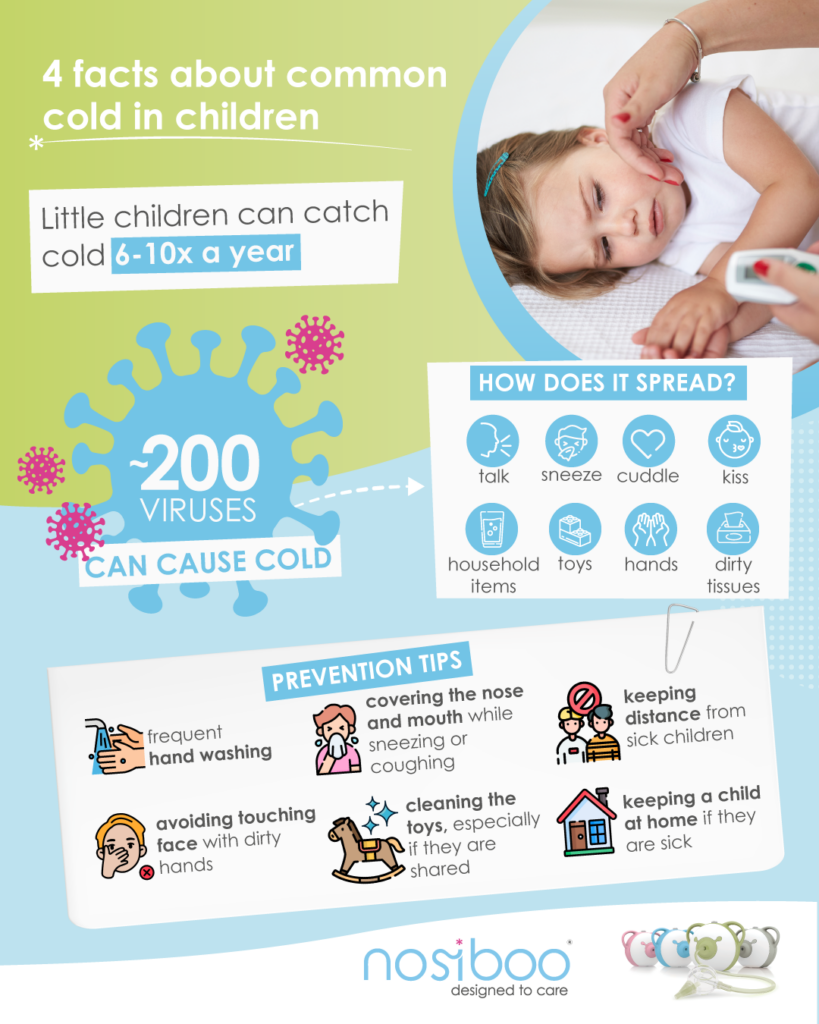
In contrast, a cold may cause a scratchy or mildly sore throat, but it usually looks less inflamed. Fever is another key difference. Strep throat often causes a high fever above 101°F (38.3°C), while colds usually cause low-grade or no fever at all.
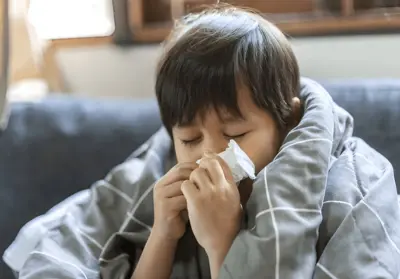
Certain symptoms make strep throat less likely. If your child has a runny or stuffy nose, frequent coughing, sneezing, or hoarseness, a cold is the more probable cause. Strep Throat Symptoms in Kids typically do not include cough or nasal congestion.
Another clue is eye irritation. Red, watery eyes are common with viral infections but rare with strep throat. Paying attention to these details can save you from unnecessary antibiotics and doctor visits.

Young children sometimes show unusual signs when they have strep throat. Strep Throat Symptoms in Kids can include stomach pain, nausea, vomiting, or even a fine, sandpaper-like rash known as scarlet fever. These signs can appear without severe throat pain, especially in toddlers.
Colds rarely cause stomach issues or rashes. If your child complains of belly pain along with fever and sore throat, it’s worth considering strep throat and contacting a healthcare provider.
You should seek medical advice if Strep Throat Symptoms in Kids are suspected, especially if your child has a high fever, severe throat pain, or swollen lymph nodes. Doctors use a rapid strep test or throat culture to confirm the diagnosis.
Testing is important because strep throat requires antibiotics to prevent complications. A cold does not benefit from antibiotics and should be managed with rest and fluids. Knowing when to test helps protect your child’s health and avoids unnecessary medication.


Treatment is where the difference truly matters. Strep Throat Symptoms in Kids improve with antibiotics, usually within 24 to 48 hours of starting medication. Completing the full course is essential, even if your child feels better.
Colds are treated with supportive care only. Rest, fluids, saline nasal drops, and age-appropriate pain relievers help ease symptoms. Antibiotics do not work on viruses and can cause side effects if used incorrectly.
Good hygiene is the best defense against both illnesses. Teach children to wash hands regularly, cover coughs, and avoid sharing utensils. If Strep Throat Symptoms in Kids are confirmed, keep your child home from school until they’ve been on antibiotics for at least 24 hours and fever-free.
During recovery, offer soft foods, warm soups, and plenty of fluids. Adequate sleep and a calm environment support healing and reduce the chance of spreading infection to others.
Telling the difference between a cold and strep throat can feel overwhelming, but focusing on symptom patterns makes it easier. Sudden fever, severe throat pain, and the absence of cough often point to strep throat, while runny noses and sneezing suggest a cold. By recognizing Strep Throat Symptoms in Kids early and responding appropriately, parents can ensure faster relief, safer treatment, and peace of mind.