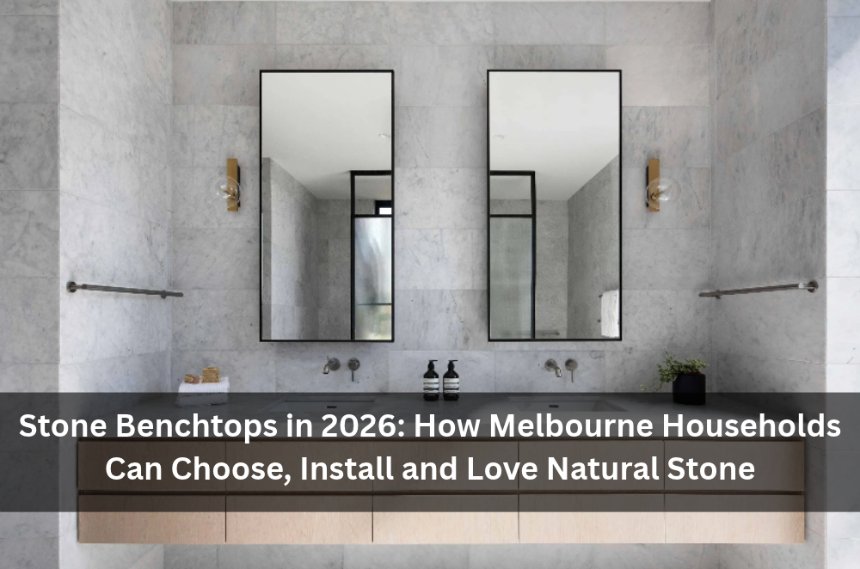

Stone Benchtops in 2026: How Melbourne Households Can Choose, Install and Love Natural Stone
From marble to quartzite, discover how to pick, budget for and maintain a stone kitchen benchtop that suits Melbourne cooking habits and climate, plus insider tips from local specialists.
Melbourne kitchens have a knack for blending heritage character with modern function. Timber floors, bold tapware and—more often than not—a slab of stone anchouring the island bench. If you’re weighing up countertop options ahead of a renovation this year, it’s worth knowing why many designers turn first to Melbourne stone benchtop specialists when they draft a concept.
What Makes Stone a Natural Fit for Melbourne HomesThe city’s climate swings from steamy summer afternoons to brisk winter mornings. Porous timber can swell, laminate can peel, and acrylic surfaces sometimes discolour under high-heat pots. Dense natural stone, on the other hand, barely flinches. Granite shrugs off temperature change; quartzite laughs at red wine; honed marble keeps its cool when pastry needs rolling.
Equally important is the look. Period terraces in Carlton often pair marble veining with panelled cabinetry, while a Brunswick warehouse conversion might lean on matte-finished limestone for that understated industrial edge. Stone’s range of colours and textures taps into this spectrum of architectural styles without feeling forced or faddish.
Stone Versus the AlternativesMelburnians are spoilt for choice—engineered quartz, porcelain sheets, even stainless steel are all on the table. Yet each alternative carries trade-offs worth noting:
SurfaceStrengthsWatch-outsEngineered quartzConsistent colour; low maintenanceCan yellow under UV; seams are visibleLaminateBudget-friendly; endless patternsProne to chipping; heat-sensitivePorcelain / Sintered slabsThin profile; scratch-resistantEdges chip easily during installationStainless steelHygienic; commercial lookShows fingerprints; dents under impactNatural stoneUnique veining; heat-hardySome types need periodic sealingWhen clients compare quotes, the conversation often swings to price. Stone can carry a higher upfront cost than laminate, but longevity changes the maths. A well-sealed granite or dolomite benchtop routinely lasts decades—spreading that investment over 25 years makes the per-year cost surprisingly competitive.
In-house designers frequently bring up another point: resale value. Real-estate agents report that listings mentioning marble or granite benches draw extra clicks, especially in family suburbs like Coburg or Glen Iris where buyers expect durable, stylish kitchens.
Practical Tips for Picking the Right SlabStanding in a stone yard can feel like visiting an art gallery—hundreds of slabs, each one different. Narrow the field with three criteria:
- Cooking Habits
- Heavy bakers favour marble for its cool touch; families with young kids gravitate to harder granites that shrug off dropped utensils.
- Lighting Conditions
- South-facing kitchens benefit from brighter stones—think Taj Mahal quartzite or classic Carrara—while sun-drenched rooms handle darker granites without feeling gloomy.
- Future Maintenance Tolerance
- If you’ll happily reseal once a year, marble is fine. If not, choose denser options like dolomite or select engineered stones made for low porosity.
For a deeper dive into care routines, the article on caring for stone surfaces outlines sealing schedules, food-safe cleaners and quick fixes for minor etching.
Thickness and Edge ProfilesThe standard 20 mm slab remains popular, but island benches often jump to 40 mm with a mitred edge for visual heft. Ogee and bullnose details suit heritage homes; pencil round edges sit neatly in minimalist spaces. Confirm that your cabinetry can carry the load—granite comes in around 90 kg per square metre once cut, so reinforcing wide spans is essential.
Inside the QuotationMost stone quotes list: material cost per square metre, edge finish, sink or cooktop cut-outs, transport and installation. Ask whether sealing is included and what warranty covers; reputable fabricators back workmanship for at least ten years.
Living With Stone Year After YearStone is tough, not immortal. Treat it well and you’ll rarely stress. Wipe spills quickly, use trivets under cast-iron pots, and avoid acidic cleaners unless the label says stone-safe. If etching appears—common on polished marble after contact with citrus—light polishing kits restore sheen without calling a stonemason.
Council water quality also matters. Melbourne’s soft water generally leaves fewer mineral deposits than harder regional supplies, meaning less limescale build-up around sink cut-outs. However, high-pressure steam mops used near benchtop returns can drive moisture into silicone joins; let surfaces cool before wiping dry.
Renovators sometimes overlook building codes when re-jigging kitchen footprints. Before shifting a gas cooktop or load-bearing wall, check the Victorian Building Authority’s advice; non-compliant changes risk fines and insurance headaches.
Where Craftsmanship Meets MaterialEven flawless stone fails if measured poorly or set on unlevel cabinets. Look for fabricators who template digitally rather than by eye; accuracy here prevents millimetre-wide gaps that collect grime. When installers arrive, they’ll dry-fit slabs first, confirm overhang alignment, then secure joints with colour-matched epoxy. Good crews leave fewer than 0.5 mm of lippage between pieces—barely the thickness of a business card.
Acoustic sealant under stone softens vibrations, so drawers don’t rattle when you chop on the island. It’s a small detail that turns everyday cooking into a quieter affair, and one reason experienced teams remain in high demand across inner-city suburbs.
Recycling Off-cutsLarger projects often yield spare pieces. Instead of paying disposal fees, repurpose them as laundry benchtops, floating shelves or matching outdoor servery tops. The embodied energy in quarried stone is significant—using every last slice keeps the environmental footprint in check.
The Upshot for 2026 RenovationsEnergy-efficient appliances and induction cooktops grab headlines, yet the benchtop still dictates the room’s visual and tactile experience. Stone earns its keep by pairing endurance with character, ageing gracefully rather than wearing out. Factor in Melbourne’s four-season days and lively food culture, and the case for natural slabs only strengthens.
A thoughtful slab choice—matched to lifestyle, cabinetry and future buyers—delivers daily satisfaction now, plus a quiet boost to long-term property value. When that first latte of the morning rests on a cool, smooth surface, you’ll know the decision paid off.
FAQsDoes every type of stone need sealing?Most do. Granite and quartzite often arrive pre-sealed, but marble and limestone benefit from a fresh coat every 12–18 months.
Can I put hot pans straight on marble?Brief contact is generally fine, yet thermal shock can crack any stone. Using a trivet reduces the risk and prevents dull rings.
How long does installation usually take?Template to handover typically spans two to three weeks, with on-site fitting finished inside a single day for standard kitchens.
Is natural stone sustainable?Quarrying has environmental impact, but long product life and the ability to recycle off-cuts help balance the ledger compared with surfaces replaced every decade.
Shop IWC Alligator Watch Strap Online – Save 10% Every Tuesday, 1 PM t...



Customized Advertising Merchandise: Innovative Products for Stronger B...
Successful branding is about creating meaningful connections with customers and ensuring t...
