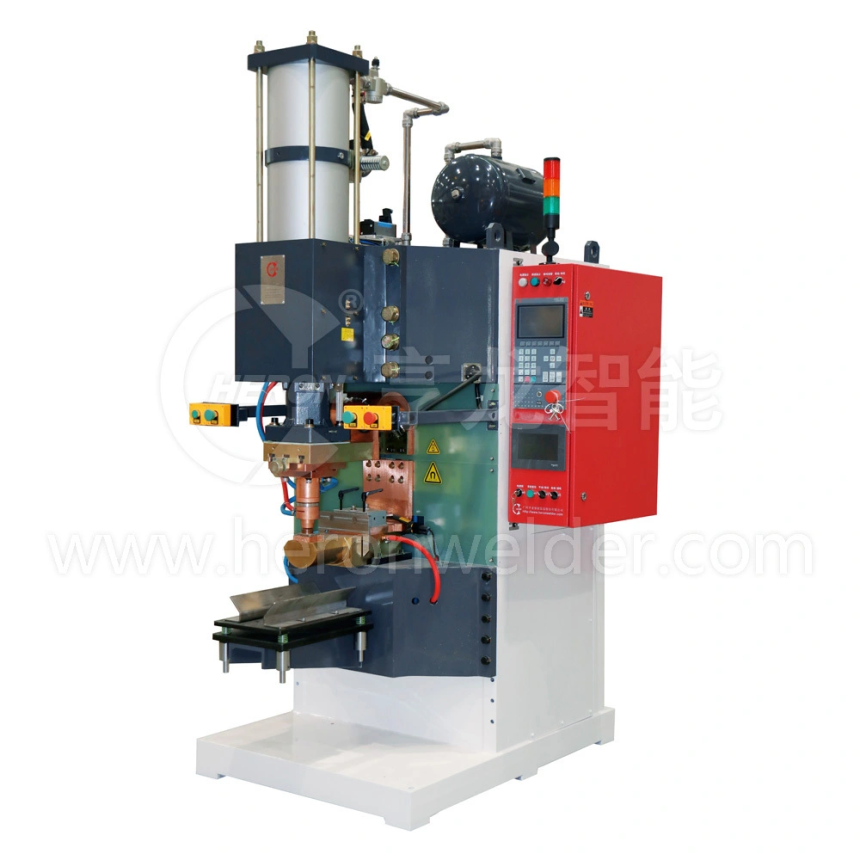
Spot Weld Aluminium: Process, Challenges, Applications, and Industrial Solutions
Heron Welder help manufacturers achieve high-quality, repeatable welds in industrial environments.
Aluminium has become one of the most important materials in modern manufacturing due to its lightweight structure, corrosion resistance, and high strength-to-weight ratio. However, when it comes to joining aluminium efficiently at scale, engineers often face a major challenge: how to achieve a strong and consistent spot weld aluminium joint suitable for mass production.
Resistance spot welding is widely used in automotive, aerospace, electrical enclosures, and appliance manufacturing, but aluminium requires a more controlled and advanced approach compared to steel. This is where precision welding systems, automation, and process control technologies become essential.
This article explains how spot welding aluminium works, the technical difficulties involved, key process parameters, applications, and how advanced solutions from Heron Welder help manufacturers achieve high-quality, repeatable welds in industrial environments.
Spot welding aluminium is a resistance welding process in which two or more aluminium sheets are joined by applying pressure and electrical current through copper alloy electrodes. The resistance to electrical current generates heat at the interface, forming a molten “nugget” that solidifies into a strong joint.
Unlike traditional steel spot welding, aluminium welding requires significantly higher current levels and more precise control because aluminium has:
- High electrical conductivity
- High thermal conductivity
- Rapid heat dissipation
These properties make it difficult to generate and maintain sufficient heat at the weld interface, which is why specialized welding equipment and process optimization are essential.
Manufacturing engineers often find aluminium difficult to weld using conventional resistance spot welding systems. The main challenges include:
1. High Electrical ConductivityAluminium allows electricity to pass through too easily, reducing heat generation at the weld point.
2. Fast Heat DissipationHeat spreads rapidly away from the weld zone, making it harder to reach melting temperature.
3. Surface Oxide LayerAluminium naturally forms a strong oxide layer that increases resistance inconsistently and can affect weld quality.
4. Electrode WearHigher current and pressure requirements accelerate electrode degradation, increasing maintenance costs.
5. Process SensitivitySmall variations in pressure, current, or time can lead to weak welds, expulsion, or inconsistent nugget formation.
Because of these challenges, spot welding aluminium requires advanced control systems and high-performance resistance welding equipment.
How Resistance Spot Welding Works for AluminiumThe principle of resistance spot welding remains the same for aluminium as other metals, but the process parameters differ significantly.
Step-by-Step Process:- Electrode Clamping
- Copper alloy electrodes apply force to hold aluminium sheets together.
- Current Application
- A high electrical current passes through the workpieces.
- Heat Generation
- Resistance at the interface generates localized heat.
- Nugget Formation
- Aluminium reaches melting point and forms a weld nugget.
- Solidification
- Pressure is maintained while the weld cools and solidifies.
For aluminium, the welding system must deliver:
- Very high current in short time cycles
- Precise force control
- Stable energy delivery
- Real-time monitoring for consistency
Achieving reliable aluminium spot welds depends on optimizing multiple process parameters:
1. Welding CurrentHigher current levels are required compared to steel. Controlled current pulses ensure sufficient heat generation without causing expulsion.
2. Welding TimeShort, high-intensity cycles are typically preferred to minimize heat loss.
3. Electrode ForceProper pressure ensures consistent contact resistance and prevents surface burning.
4. Electrode Material and ShapeCopper-chromium or copper-zirconium alloys are commonly used to withstand heat and reduce wear.
5. Surface PreparationCleaning or conditioning aluminium surfaces reduces oxide interference and improves weld consistency.
6. Cooling SystemEfficient electrode cooling is necessary to maintain production stability in high-volume operations.
Industrial Applications of Aluminium Spot WeldingThe ability to efficiently spot weld aluminium has expanded its use across multiple industries:
Automotive Manufacturing- Body panels
- EV battery enclosures
- Lightweight structural components
- Aircraft fuselage panels
- Interior structures
- Lightweight support frames
- Busbars
- Enclosures
- Conductive housings
- Heat exchanger panels
- Compressor housings
- Lightweight casing structures
- Railway body panels
- Truck lightweight structures
- Marine aluminium assemblies
In all these applications, consistency, speed, and reliability are critical for mass production.
Best Practices for High-Quality Aluminium Spot WeldingTo achieve stable and repeatable results in spot weld aluminium processes, manufacturers should follow these best practices:
1. Use Advanced Welding Control SystemsModern MFDC (Medium Frequency Direct Current) systems provide better control over current and energy delivery.
2. Maintain Electrode QualityRegular dressing and replacement of electrodes prevent inconsistencies in weld quality.
3. Implement Real-Time MonitoringWeld quality monitoring systems help detect defects instantly and reduce rejection rates.
4. Optimize Weld ScheduleEach aluminium grade requires a specific combination of current, force, and time.
5. Ensure Stable Power SupplyVoltage fluctuations can significantly affect aluminium weld consistency.
6. Automate the ProcessAutomation improves repeatability, reduces human error, and increases production speed.
Heron Welder: Advanced Solutions for Aluminium Spot WeldingHeron Welder specializes in industrial resistance welding technology designed for demanding manufacturing environments. For aluminium applications, Heron provides high-performance systems engineered to overcome conductivity and heat dissipation challenges.
Key solutions include:
- MFDC resistance spot welding machines
- Capacitor discharge welding systems
- High-precision welding guns
- Automated welding production lines
- Intelligent welding controllers
These systems are designed to deliver:
- Stable high-current output
- Precise force control
- Reduced electrode wear
- Improved energy efficiency
- Consistent weld quality in high-volume production
For OEMs and automation integrators, Heron systems support integration into robotic lines, ensuring scalability and repeatability in modern smart factories.
By combining robust mechanical design with advanced control technology, Heron enables manufacturers to achieve reliable aluminium spot weld performance even in complex production environments.
Frequently Asked Questions (FAQs)1. Can aluminium be spot welded like steel?Yes, but it requires higher current, precise control, and specialized equipment due to aluminium’s high conductivity and heat dissipation properties.
2. What is the biggest challenge in spot welding aluminium?The main challenge is generating sufficient heat at the weld interface while controlling rapid heat loss and oxide layer interference.
3. Which industries use aluminium spot welding most?Automotive, aerospace, electrical manufacturing, HVAC systems, and transportation industries are the primary users.
4. What type of welding machine is best for aluminium spot welding?MFDC resistance spot welding systems and capacitor discharge welding machines are commonly used for high-quality aluminium joining.
5. How can weld quality be improved in aluminium spot welding?Using proper surface preparation, optimized welding parameters, high-quality electrodes, and real-time monitoring significantly improves weld consistency.
ConclusionSpot welding aluminium is a highly efficient joining method when properly controlled, but it demands advanced equipment, precise parameter management, and robust process engineering. As industries move toward lightweight materials and high-volume production, the need for reliable aluminium welding solutions continues to grow.
Heron Welder delivers industrial-grade resistance welding systems engineered to meet these challenges with precision, consistency, and automation readiness.
If you are looking to improve your aluminium spot welding process, reduce defects, or integrate advanced welding automation into your production line, contact Heron Welder for customized solutions and expert consultation tailored to your manufacturing needs.



A Complete Guide to Understanding PK68 and Its Growing Popularity
A Complete Guide to Understanding PK68 and Its Growing Popularity


England vs Argentina Tickets: England Eyes FIFA World Cup 2026 Final i...