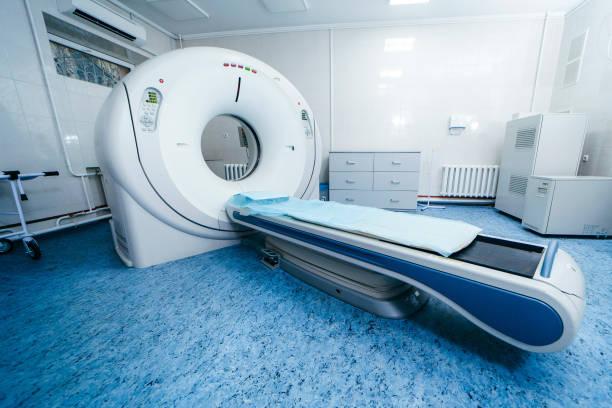

Spiral CT Scan Machines Transforming Diagnostic Imaging in Modern Healthcare
Explore how spiral CT scan machines are enhancing diagnostic accuracy, improving imaging speed, and supporting advanced healthcare infrastructure across global medical systems.
The Growing Role of Spiral CT Scan Machines in Modern Healthcare
Advancements in medical imaging have significantly transformed diagnostic capabilities, enabling faster, more accurate detection of complex health conditions. Among these innovations, spiral CT scan machines—also known as helical CT scanners—have emerged as a critical tool in modern healthcare systems. Their ability to capture continuous, high-resolution images of the body has enhanced diagnostic precision and improved patient outcomes across various clinical applications.
Understanding Spiral CT Scan TechnologySpiral CT scan machines operate using a continuous rotation of the X-ray tube around the patient while the examination table moves steadily through the scanner. This creates a spiral (or helical) path of data acquisition, allowing for the rapid capture of detailed cross-sectional images. Unlike conventional CT scans, which take images in separate slices, spiral CT technology enables seamless imaging, reducing scan time and improving image clarity.
This method is particularly useful in detecting abnormalities in organs such as the lungs, liver, and blood vessels. It also plays a crucial role in trauma cases, where quick and comprehensive imaging is essential for timely medical intervention.
Increasing Demand Driven by Diagnostic EfficiencyThe demand for spiral CT scan machines is largely influenced by their efficiency in handling high patient volumes while maintaining diagnostic accuracy. Faster scanning times reduce patient discomfort and minimize motion artifacts, leading to clearer images. This is especially beneficial for elderly patients, children, and individuals with critical conditions who may find it difficult to remain still for extended periods.
Additionally, healthcare providers are increasingly adopting advanced imaging solutions to streamline workflows and improve clinical decision-making. Spiral CT scanners support these objectives by enabling rapid diagnosis, which is essential in emergency and critical care settings.
Expanding Applications Across Medical FieldsSpiral CT technology is widely used across multiple medical specialties. In oncology, it aids in the early detection and staging of tumors, helping clinicians develop targeted treatment plans. In cardiology, it is used for coronary artery imaging, enabling the identification of blockages and other cardiovascular conditions.
Moreover, its application in pulmonology has grown significantly, particularly for detecting lung infections and chronic respiratory diseases. The ability to perform detailed angiographic studies without invasive procedures further expands its utility in vascular imaging.
Technological Advancements Enhancing CapabilitiesContinuous technological improvements are shaping the evolution of spiral CT scan machines. Modern systems now incorporate features such as multi-slice imaging, which allows multiple layers of the body to be scanned simultaneously. This not only increases speed but also enhances image resolution.
Another notable development is the integration of artificial intelligence (AI) in imaging workflows. AI-assisted tools help in image reconstruction, anomaly detection, and workflow optimization, supporting radiologists in making more accurate and timely diagnoses.
Dose reduction technologies are also gaining importance, as concerns about radiation exposure continue to influence both regulatory frameworks and patient preferences. Newer machines are designed to deliver high-quality images while minimizing radiation dose, ensuring safer diagnostic procedures.
Market Dynamics and Growth FactorsAs per the study published by MarkNtel Advisors, the global spiral CT scan machine market is witnessing steady growth, driven by increasing healthcare infrastructure development and rising demand for advanced diagnostic tools. The growing prevalence of chronic diseases, including cancer and cardiovascular conditions, is further contributing to the need for efficient imaging solutions.
In addition, the expansion of healthcare services in emerging economies is creating new opportunities for market growth. Governments and private healthcare providers are investing in advanced diagnostic equipment to improve healthcare accessibility and quality.
The market is also influenced by the rising adoption of preventive healthcare practices. Early diagnosis has become a key focus area, and imaging technologies like spiral CT scans play a vital role in identifying diseases at an early stage.
Regional Insights and Industry TrendsDeveloped regions continue to lead in the adoption of advanced CT imaging systems due to well-established healthcare infrastructure and higher healthcare spending. However, developing regions are rapidly catching up, supported by increasing investments and growing awareness about advanced diagnostic technologies.
Another notable trend is the shift toward outpatient imaging centers, which are increasingly equipped with modern CT scan machines. These centers offer cost-effective diagnostic services and help reduce the burden on hospitals.
Collaborations between healthcare providers and technology companies are also shaping the market landscape. Such partnerships aim to enhance imaging capabilities, improve accessibility, and drive innovation in diagnostic solutions.
Challenges and ConsiderationsDespite the positive outlook, the adoption of spiral CT scan machines is not without challenges. High installation and maintenance costs can limit accessibility, particularly in low-resource settings. Additionally, the need for skilled professionals to operate advanced imaging systems remains a critical requirement.
Regulatory compliance and quality standards also play a significant role in shaping market dynamics. Manufacturers must ensure that their products meet stringent safety and performance requirements, which can impact development timelines and costs.
ConclusionSpiral CT scan machines have become an integral part of modern diagnostic imaging, offering speed, accuracy, and versatility across a wide range of medical applications. Their ability to provide detailed insights into complex health conditions makes them indispensable in today’s healthcare landscape.
As technological advancements continue and healthcare systems evolve, the role of spiral CT imaging is expected to expand further. With ongoing investments in healthcare infrastructure and a growing emphasis on early diagnosis, these systems are likely to remain at the forefront of medical imaging innovation.

Complete Bing Ads Registration Guide for Beginners: Step-by-Step Succe...
Complete Bing Ads Registration Guide for Beginners: Step-by-Step Success A complete Bin...

Custom Rigid Boxes: The Premium Packaging Solution Your Brand Deserves
How to Create a Bing Ads Account in Minutes: Easy Step-by-Step Guide
How to Create a Bing Ads Account in Minutes: Easy Step-by-Step Guide how to create a Bi...
Top 7 Sites to Buy Verified Bing Ads Account In Complete Safety
Top 7 Sites to Buy Verified Bing Ads Account In Complete Safety Explore the top 7 sites...