
Smooth Sailing: Why Suspension Boat Seats Are a Game-Changer for Comfort and Safety
Learn how suspension boat seats improve comfort and safety by reducing shock and vibration. Discover key features, maintenance tips and benefits for Australian recreational and commercial boaters seeking a smoother ride.
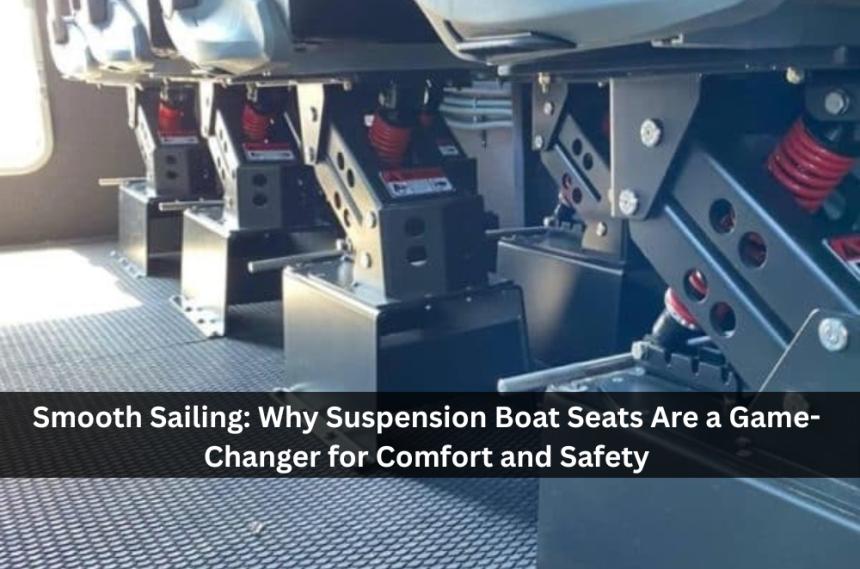
Nothing ruins a day on the water faster than aching knees and a stiff back. Whether you’re skipping across Moreton Bay at dawn or running supplies down the Murray, Australia’s varied waterways can dish up a punishing ride. Hull design and driving technique help, but the humble seat is often overlooked. Enter the suspension boat seat: a piece of kit that’s quietly revolutionising marine comfort and safety.
Understanding the Demands of Australian Boating ConditionsFrom Bass Strait swells to the short, sharp chop whipped up by a summer sou’easter on Sydney Harbour, Australian skippers face a mixed bag of wave conditions. Every jolt transfers force straight through a conventional seat and into the body. Over several hours this can lead to:
- Lower-back pain and muscle fatigue
- Reduced reaction times due to cumulative shock
- Higher risk of slips and falls when standing up
To combat this, many commercial operators and recreational boaters are turning toreputable marine seating technology that incorporates suspension mechanisms. These seats use dampers, springs, or air bellows to absorb vertical impacts before they reach the occupant, much like the suspension in a four-wheel-drive softens corrugated tracks.
How Suspension Systems Transform Seating ComfortA quality boat seat suspension system doesn’t just add a cushy layer of foam. It works on three core engineering principles:
- Energy Absorption
- The system compresses on impact, dispersing energy over a longer time frame. This reduces the “spike” load on your spine.
- Isolation
- Bushings and linkages isolate the seat base from the deck, interrupting the direct path of vibration. That means fewer micro-shocks during long passages.
- Controlled Rebound
- A well-tuned damper stops the seat from bouncing you out again, maintaining stability so you can keep eyes forward and hands on the helm.
Field tests by Australian maritime safety bodies show suspension seats can cut vertical impact forces by up to 60 %. While results vary with vessel speed and sea state, even a modest 30 % reduction can mean the difference between finishing the day fresh or fatigued.
Key Factors to Consider When Choosing a Suspension Boat SeatNot all seats are created equal. Before splashing out, weigh up the following:
• Weight Rating
Check the seat’s maximum occupant weight and gear load. An overloaded spring loses effectiveness fast.
• Adjustment Range
Air or mechanical height adjustment lets multiple crew members dial in comfort, critical on charter or patrol vessels.
• Corrosion Resistance
Marine-grade aluminium or stainless hardware, plus UV-stable fabrics, are non-negotiable in Aussie sun and salt.
• Deck Footprint
Measure twice; some suspension bases are taller or wider than traditional pedestals. Ensure clear access to hatches and helm controls.
• Certification
For commercial operations, make sure the seat meets ISO 12405 or equivalent shock-mitigation standards recognised by AMSA.
• Serviceability
Replaceable dampers, accessible grease points, and easy-swap cushions will save downtime during peak season.
Practical Maintenance and Care TipsA premium seat deserves a bit of TLC:
- Rinse with fresh water after every trip, paying attention to the moving joints.
- Inspect fasteners monthly for signs of corrosion or loosening.
- Follow the manufacturer’s schedule for damper or air bladder checks—usually every 100–150 engine hours.
- Keep a small tube of marine-grade grease onboard; a quick dab on the pivot points takes minutes and pays off in longevity.
Treat the seat like any safety component. A wobble or noisy squeak is early warning that something needs attention.
When to Upgrade Your Boat SeatingStill sitting on a cracked vinyl cushion bolted to a timber box? You might notice:
- Persistent lower back soreness after short runs
- Crew asking to sit on eskies because they ride better
- Difficulty maintaining throttle control in chop
These are clear indicators it’s time to upgrade. While the upfront cost of a suspension seat is higher, the long-term benefits—reduced injuries, happier passengers, potentially lower insurance premiums—often outweigh the spend. Commercial skippers, in particular, report fewer sick days and improved crew retention once shock-mitigating seats are installed.
Final ThoughtsAustralia’s waterways are as rewarding as they are demanding. Investing in quality seating isn’t a luxury; it’s a practical step toward safer, more enjoyable boating. By understanding how suspension technology works and choosing a seat that suits your vessel and crew, you’ll turn bone-shaking passages into smooth sailing memories.
FAQsDo suspension boat seats really make a difference on small runabouts?Yes. While larger vessels feel bumps less, a 5-metre centre console can see the biggest gains because hull impacts are more pronounced. Even an entry-level mechanical suspension base can reduce vertical shock significantly.
Are air-ride seats better than spring-based systems?Air systems offer finer adjustability and can accommodate a broader weight range, but they require occasional pressure checks. Spring systems are simpler and often cheaper. The best choice depends on crew size, vessel type, and budget.
Will a suspension seat fit my existing pedestal?Some models bolt straight onto standard 73-mm or 100-mm pedestals, while others come with integrated bases. Measure the footprint and height before purchasing to avoid clearance issues at the helm.


Department of Computer Engineering Laboratories for Technical Skill De...


السِّلْمُ الاجْتِمَاعِيُّ: مَسْؤُولِيَّةٌ تَجْمَعُنَا وَأَمَانٌ يَحْمِ...

Book Affordable Skip Bin Near Adelaide | GoGo Skip Bins
Planning to clean your home this weekend or remove old rubbish from your property? You don...

Traitements pharmaceutiques en ligne : conseils pour une santé mieux a...
