
Selecting PPE for Construction Work in Extreme Weather Conditions
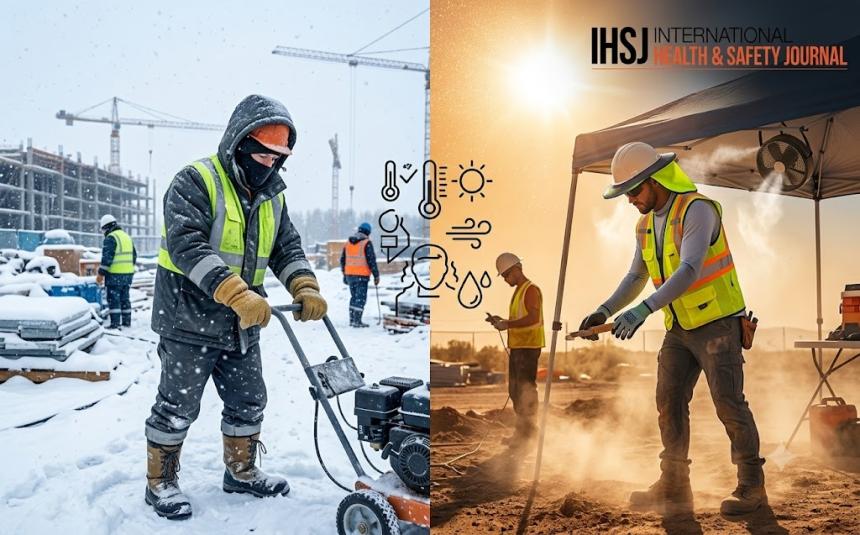
Construction work continues through changing seasons, and weather conditions can introduce hazards that are not always visible during routine site assessments. High temperatures, heavy rain, strong winds, cold conditions and intense sunlight can affect workers while also reducing the effectiveness or comfort of protective equipment. For this reason, selecting suitable personal protective equipment in construction requires more than choosing standard helmets, gloves and safety footwear.
Construction work continues through changing seasons, and weather conditions can introduce hazards that are not always visible during routine site assessments. High temperatures, heavy rain, strong winds, cold conditions and intense sunlight can affect workers while also reducing the effectiveness or comfort of protective equipment. For this reason, selecting suitable personal protective equipment in construction requires more than choosing standard helmets, gloves and safety footwear.
Understanding Weather-Related Construction HazardsWeather can change the risk profile of a construction site quickly. During hot weather, workers may experience excessive sweating, dehydration and heat stress. Protective clothing that is too heavy or poorly ventilated can increase discomfort and make workers more likely to adjust or remove their equipment.
Cold conditions create different challenges. Workers may experience reduced dexterity, numbness and slower reactions. Wet weather can make surfaces slippery while reducing visibility. Strong sunlight can also contribute to eye strain and skin exposure.
A weather-focused PPE assessment should therefore consider both the hazards created by the environment and the way protective equipment performs under those conditions.
PPE Selection During Hot WeatherHeat management is an important consideration when selecting personal protective equipment in construction. Workers may need helmets with ventilation, lightweight protective garments and breathable materials where the hazard assessment allows them.
However, lightweight equipment should never be selected simply because it feels more comfortable. It must still provide the required level of protection against impact, chemicals, dust, sparks or other workplace hazards.
Employers can also consider work-rest schedules, shaded recovery areas and hydration arrangements alongside PPE. PPE should be part of a broader heat-management strategy rather than the only control measure.
Protection During Rain and Wet ConditionsRain introduces several hazards, including reduced visibility, slippery surfaces and exposure to water. Waterproof or water-resistant clothing may help workers remain dry, but garments should also allow sufficient movement for climbing, lifting and operating equipment.
Footwear is particularly important in wet environments. Construction workers may need footwear with suitable slip-resistant soles and protection appropriate to the task. Wet gloves can also reduce grip and dexterity, making material handling more difficult.
High-visibility garments should remain visible when rain, fog or low light reduces the ability of workers and vehicle operators to see one another.
Cold Weather and LayeringCold-weather PPE needs to balance insulation with mobility. Multiple clothing layers can provide flexibility, allowing workers to adjust their protection as temperatures change.
Gloves require particular attention because excessive thickness may interfere with tools and machinery. Workers handling small components may need different hand protection from those performing heavy outdoor tasks.
Employers should also inspect cold-weather garments regularly. Damaged insulation, worn closures or saturated materials can reduce their effectiveness.
Managing Sun ExposureConstruction workers who spend long periods outdoors may experience significant exposure to sunlight. PPE selection can include suitable head protection, protective clothing and eye protection where required by the task and risk assessment.
Eye protection should be appropriate for the specific hazard rather than selected solely for comfort or appearance. Where workers move between indoor and outdoor areas, equipment may need to accommodate changing lighting conditions.
Sun protection should also include practical measures such as shaded breaks and suitable scheduling where possible.
Choosing Materials CarefullyMaterial selection affects comfort, durability and performance. Some protective garments may perform well in one environment but become uncomfortable in another. For example, a garment designed for chemical resistance may have different breathability characteristics from standard workwear.
When evaluating personal protective equipment in construction, employers should consider the material's resistance, temperature range, flexibility, durability and compatibility with other equipment.
Manufacturers' instructions should be reviewed before equipment is introduced to a workplace.
Maintaining PPE During Seasonal ChangesPPE requirements should not remain static throughout the year. A site that operates in summer and winter may need different arrangements for clothing, gloves and other protective equipment.
Regular inspections can identify cracked helmets, worn footwear, damaged eye protection and deteriorated garments. Equipment should be replaced when it no longer provides the required protection.
Worker feedback is also valuable. Employees can identify problems with heat, cold, restricted movement or poor visibility that may not be obvious during a formal inspection.
Building a Weather-Ready PPE ProgrammeEffective PPE management combines hazard assessment, equipment selection, worker training and maintenance. Supervisors should communicate weather-related risks before shifts and remind workers how conditions can affect equipment.
The International Health and Safety Journal supports awareness of practical workplace safety issues, including the challenges faced by construction teams operating in changing environments.
Ultimately, personal protective equipment in construction should be selected according to the actual hazards workers face rather than relying on a universal equipment list. Weather conditions can change those hazards significantly, making regular assessment essential.
A flexible approach allows employers to maintain protection without unnecessarily reducing worker comfort, mobility or productivity.
ConclusionWeather should be treated as an important factor in construction safety planning. From heat and sunlight to rain and cold, environmental conditions can influence both workplace hazards and PPE performance.
By reviewing equipment requirements regularly, providing appropriate training and maintaining protective equipment properly, construction companies can create safer working conditions across different seasons. The objective is not simply to provide more PPE but to ensure that workers receive protection suitable for the hazards and environmental conditions they actually encounter.

Academic Excellence in AI and Data Science Engineering | HOD's Desk at...

LED magnifying mirror for hotels Oman
LED magnifying mirror for hotels Oman

Carbon Fibre Price Trend Q2 2026 | Price Trends, Forecast, Chart, Pric...


How LED Channel Letter Signs Can Enhance Branding and Energy Efficienc...