
Seasonal Lawn Care Tips: When to Schedule Dethatching Services
Seasonal dethatching tips to improve lawn health, soil airflow, root growth, and greener grass year-round.
A healthy lawn requires more than regular mowing and watering. Grass can slowly lose its strength when layers of dead roots, stems, and debris collect between the soil and healthy grass blades. This buildup, known as thatch, blocks water, nutrients, and air from reaching the roots. Homeowners looking for a greener and healthier yard often turn to professional lawn maintenance, especially when considering a reliable dethatching service Lethbridge property owners trust for seasonal lawn care support.
Understanding when to dethatch your lawn is just as important as knowing how to do it. Timing plays a major role in helping grass recover quickly and grow stronger after the process. Scheduling dethatching during the proper season prevents stress on the lawn and supports long-term soil health.
Understanding Thatch and Why It MattersThatch is a tightly packed layer of organic matter that develops between the grass and soil surface. A small amount of thatch can actually help protect roots and retain moisture. However, when the layer becomes thicker than half an inch, problems begin to appear.
Excessive thatch prevents water from soaking into the soil properly. Fertilizers may remain trapped above the roots instead of feeding the grass. Thick thatch can also create an ideal environment for pests, fungus, and lawn diseases.
Common causes of heavy thatch buildup include:
- Overwatering
- Frequent use of high-nitrogen fertilizers
- Poor soil aeration
- Grass varieties that spread aggressively
- Infrequent lawn maintenance
Removing thatch at the right time improves airflow, strengthens root systems, and allows grass to absorb nutrients more effectively.
Signs Your Lawn Needs DethatchingMany homeowners do not notice thatch problems until their lawn starts showing visible damage. Learning to recognize the warning signs can help prevent more serious lawn issues.
Spongy Lawn SurfaceIf your lawn feels soft or bouncy when you walk across it, thick thatch may be sitting above the soil.
Water Runoff After RainWater pooling on the surface instead of soaking into the ground often indicates compacted thatch layers.
Thin or Patchy GrassGrass may struggle to grow evenly when roots cannot access enough moisture and nutrients.
Increased Pest ActivityInsects and lawn diseases often thrive in damp, dense layers of organic buildup.
Difficulty Penetrating SoilIf you insert a screwdriver or small shovel into the ground and encounter resistance before reaching soil, thatch could be the issue.
Best Seasons for Dethatching Your LawnThe ideal dethatching season depends on your grass type and local climate conditions. Performing the process during active growth periods allows grass to recover faster and fill in bare spots naturally.
Spring Dethatching for Cool-Season GrassesCool-season grasses such as Kentucky bluegrass, fescue, and ryegrass grow most actively during spring and early fall. Spring dethatching is often recommended once the grass begins growing steadily after winter dormancy.
Advantages of Spring Dethatching- Encourages fresh growth after winter
- Improves fertilizer absorption
- Helps lawns recover before summer heat
- Removes compacted winter debris
Late spring is generally the safest period because grass is actively growing but not yet stressed by high temperatures. Avoid dethatching too early when frost is still possible.
Fall Dethatching for Long-Term Lawn HealthFall is another excellent season for dethatching cool-season lawns. During autumn, grass focuses energy on root development rather than rapid top growth.
Benefits of Fall Dethatching- Stronger root establishment before winter
- Reduced weed competition
- Cooler temperatures minimize lawn stress
- Improved moisture retention
Early fall is often considered one of the best times to dethatch because the lawn has enough time to heal before cold weather arrives.
Warm-Season Grasses and Summer DethatchingWarm-season grasses such as Bermuda, zoysia, and St. Augustine thrive during late spring and summer. These grass types should only be dethatched when they are actively growing.
Proper Timing for Warm-Season LawnsLate spring to early summer is ideal because grass recovers quickly in warm temperatures. Dethatching too early can expose roots to cold damage, while late-season dethatching may weaken grass before dormancy.
Why Winter Is Not RecommendedWinter dethatching is rarely advised because dormant grass cannot recover effectively. Removing thatch during cold weather may expose roots to frost damage and increase the risk of lawn disease.
Frozen or wet soil conditions can also make dethatching equipment less effective and potentially harmful to the lawn structure.
Preparing Your Lawn Before DethatchingA little preparation can make the dethatching process safer and more effective.
Mow the Grass Slightly ShorterCutting the grass lower than usual allows dethatching equipment to reach the buildup more efficiently.
Water the Lawn LightlySlightly moist soil is easier to work with than extremely dry or muddy ground.
Mark Sprinkler Heads and ObstaclesFlagging hidden irrigation systems and garden edges helps prevent accidental damage.
Remove DebrisClear away sticks, leaves, and rocks before starting the process.
What Happens During Professional DethatchingProfessional lawn care companies use specialized equipment designed to remove thick layers of thatch without causing unnecessary damage to healthy grass.
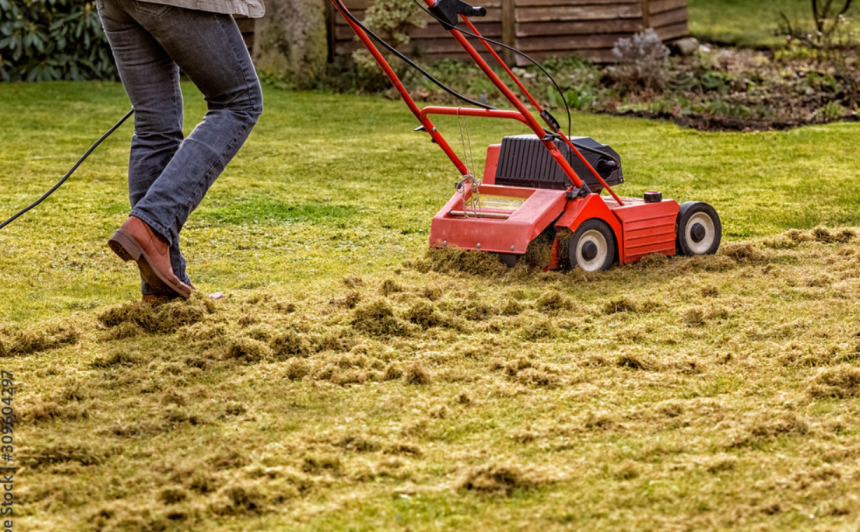
Power RakingPower rakes use rotating tines to pull up dead organic material from the lawn surface.
Vertical MowingVertical mowers cut through thatch layers and improve airflow to the soil.
Cleanup and DisposalAfter dethatching, professionals remove debris and may recommend overseeding or fertilizing to help the lawn recover faster.
Hiring experienced lawn care specialists often reduces the risk of over-dethatching, which can weaken grass and expose bare soil.
Lawn Care Tips After DethatchingProper aftercare helps lawns bounce back stronger after dethatching services.
Water ConsistentlyGrass needs steady moisture while recovering. Deep watering encourages root growth.
Apply Fertilizer CarefullyA balanced fertilizer can help stimulate healthy regrowth after dethatching.
Overseed Thin AreasAdding grass seed helps fill in bare spots and creates a thicker lawn over time.
Avoid Heavy Foot TrafficLimit activity on the lawn for several weeks to reduce stress on recovering grass.
How Often Should You Dethatch?Not every lawn needs annual dethatching. Frequency depends on grass type, soil conditions, and maintenance habits.
General Recommendations- Cool-season lawns: Every 1–2 years
- Warm-season lawns: Every 2–3 years
- Heavily fertilized lawns: More frequent monitoring may be necessary
Checking thatch thickness regularly helps determine when service is truly needed.
Combining Dethatching With Other Lawn ServicesDethatching often works best when combined with additional lawn care treatments.
AerationCore aeration loosens compacted soil and improves root access to nutrients.
FertilizationPost-dethatching fertilization supports faster grass recovery.
OverseedingSeeding after dethatching encourages denser growth and helps crowd out weeds.
Weed ControlRemoving weeds during the recovery period gives healthy grass a better chance to thrive.
A complete seasonal lawn care plan can significantly improve the appearance and durability of your yard throughout the year.
ConclusionMaintaining a healthy lawn requires attention to timing, climate, and grass growth patterns. Dethatching removes barriers that prevent water, nutrients, and oxygen from reaching the roots. Scheduling the service during the correct season allows grass to recover quickly and develop stronger root systems.
Spring and fall are generally best for cool-season grasses, while warm-season lawns benefit most from late spring or early summer dethatching. Monitoring lawn condition throughout the year helps homeowners avoid severe thatch buildup and costly repairs later.
Learning what is dethatching a lawn can help property owners make informed decisions about seasonal maintenance and create a healthier outdoor space that stays green, balanced, and resilient year after year.
Frequently Asked QuestionsWhat is lawn dethatching?Lawn dethatching is the process of removing the thick layer of dead grass, roots, and debris that builds up between the soil and healthy grass blades.
How do I know if my lawn has too much thatch?A lawn with excessive thatch may feel spongy, drain poorly, or show thin and patchy grass growth.
Can dethatching damage grass?If done incorrectly or at the wrong time, dethatching can stress grass. Professional services help reduce the risk of over-dethatching.
Is dethatching the same as aeration?No. Dethatching removes organic buildup from the lawn surface, while aeration creates small holes in the soil to improve airflow and water absorption.
Should I fertilize after dethatching?Yes. Applying fertilizer after dethatching can help grass recover faster and encourage stronger growth.
How long does lawn recovery take after dethatching?Most lawns recover within a few weeks when properly watered and maintained after the service.
Can all grass types be dethatched?Yes, but the timing varies depending on whether the lawn contains cool-season or warm-season grass varieties.

How to Tokenize Real Estate: A Developer's Guide to Fractional Ownersh...

Is an Affordable Cannabis Card Actually Worth It?
Weighing an affordable cannabis card against the alternatives? Here's what actually matter...

Why Social Media Marketing Services for Small Businesses Matter
Aarav Tech Solutions