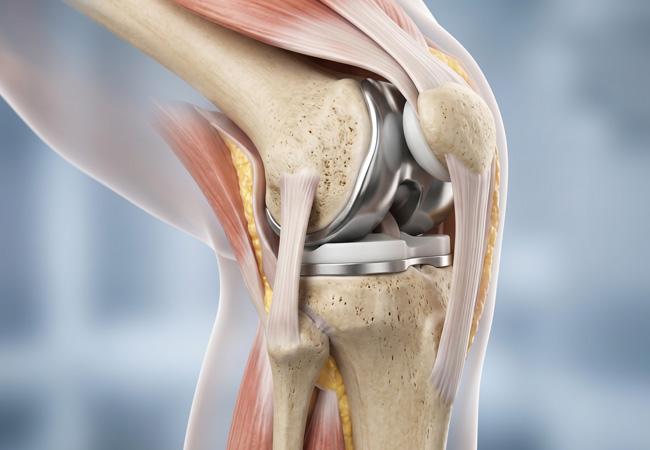

Robotic Joint Replacement: Benefits, Limitations and Who May Be Suitable
Explore robotic joint replacement benefits and limitations. Learn who is suitable, discover precision surgery, and restore your mobility today.
Joint replacement surgery may be considered when severe joint damage causes persistent pain, stiffness or difficulty with everyday movement. When medicines, physiotherapy or other non-surgical measures do not provide enough relief, hip or knee replacement may become an option. The choice of surgical approach then becomes an important part of treatment planning.
Robotic Joint Replacement uses technology to support surgical planning and implant positioning during selected procedures. It can help surgeons work with detailed information about a patient's anatomy and follow a planned alignment during surgery. Understanding its benefits, limitations and suitability can help patients discuss whether robotic assistance may be appropriate for their condition.
What Is Robotic Joint Replacement?Robotic joint replacement is a surgeon-led procedure in which robotic technology assists with planning and performing certain stages of hip or knee replacement surgery. Depending on the system used, detailed imaging may help create a three-dimensional model of the joint before surgery. This model can help the surgeon plan implant size, alignment and positioning according to the patient's anatomy. During the procedure, the robotic system provides guidance, while the orthopaedic surgeon remains in control and makes all clinical decisions.
How Can Robotic Assistance Support Joint Replacement Surgery?Robotic systems can support precise alignment, implant positioning and patient-specific surgical planning. Some systems also provide real-time information during surgery, helping the surgeon follow the planned position of the implant.
Clinical outcomes depend on several factors, including joint damage, anatomy, overall health, implant selection, surgical expertise and rehabilitation. The decision to use robotic assistance is therefore based on individual assessment and treatment needs.
What Are the Benefits of Robotic Joint Replacement?Robotic technology can support different stages of joint replacement surgery. Potential benefits include:
- Patient-Specific Planning: Detailed imaging can help surgeons plan the procedure according to the patient's anatomy.
- Accurate Implant Positioning: Robotic guidance can support positioning of replacement components according to the surgical plan.
- Real-Time Surgical Guidance: Some systems provide information during surgery that helps monitor alignment and implant placement.
- Detailed Joint Assessment: Three-dimensional planning can provide additional information about joint structure before surgery.
- Support for Surgical Precision: Robotic systems can assist surgeons during selected bone preparation and implant-placement steps.
These benefits mainly relate to surgical planning and precision. Recovery time and long-term joint function can still vary between patients.
What Are the Limitations of Robotic Joint Replacement?Robotic-assisted surgery also has certain limitations that should be considered before treatment.
- Additional Imaging May Be Required: Some systems need a CT scan or other imaging before surgery.
- Availability May Vary: Robotic systems may not be available at every hospital, and different centres may use different platforms.
- Surgical Risks Remain: Robotic assistance does not remove the recognised risks associated with joint replacement surgery.
- Procedure Time May Differ: Additional planning or equipment setup may affect the time required for some procedures.
- Results Can Vary: Greater technical precision does not guarantee a specific recovery time or long-term result.
Robotic technology supports the surgeon during the procedure. Surgical experience, clinical judgement and patient-specific factors remain important throughout treatment planning.
Who Is a Candidate for Robotic Joint Replacement?People being considered for hip or knee replacement may also be assessed for robotic-assisted surgery. Doctors usually evaluate the severity of joint damage, symptoms, general health and previous treatment before recommending surgery.
Factors that may be considered include:
- Extent of Joint Damage: Severe arthritis or structural joint damage may support consideration of replacement surgery.
- Persistent Pain or Stiffness: Ongoing symptoms that affect mobility and daily activities may indicate the need for further assessment.
- Response to Non-Surgical Treatment: Doctors review whether medicines, physiotherapy, injections or other treatments have provided adequate relief.
- Joint Anatomy: Joint shape, alignment and structural changes may influence surgical planning.
- Overall Health: Medical conditions and general health are assessed to understand surgical suitability and possible risks.
Patients whose symptoms can still be managed effectively without surgery may not require joint replacement. Even when replacement is advised, robotic assistance may not be necessary for every procedure. Established centres such as Nanavati Max Super Speciality Hospital provide orthopaedic and robotic joint replacement services. Specialists can assess joint damage, anatomy, general health and treatment history before recommending an appropriate surgical approach.
ConclusionRobotic-assisted joint replacement can support patient-specific planning, precise alignment and implant positioning during selected hip and knee replacement procedures. It can provide surgeons with detailed anatomical information and real-time guidance, while the surgeon remains in control throughout the operation.
However, robotic joint replacement does not guarantee the same outcome for every patient. Joint damage, anatomy, overall health, previous treatment, surgical expertise and rehabilitation all influence suitability and recovery. A detailed orthopaedic assessment can help determine whether robotic assistance is appropriate and how it fits into the overall treatment plan.



Explore Creative Kitchen Cabinets Design Ideas for Your Home
A well-planned kitchen cabinets design can transform the appearance and functionality of y...
