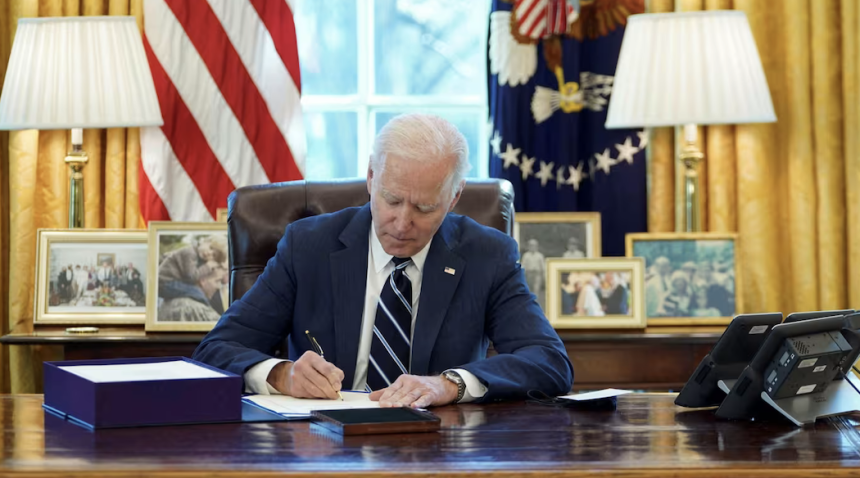

Resolve Tibet Act Explained: US Policy Shift on Tibet in 2025
Introduction: Why Tibet Is Back in Global Headlines For decades, the Tibet-China dispute simmered quietly under the surface of global politics. But in 2025, the Resolve Tibet Act threw the issue back into the spotlight. Passed by the US Congress and signed into law, this act signals a significant shift in American foreign policy toward Tibet and challenges China’s long-standing grip on the region. But what does the Resolve Tibet Act actually do? And what does it mean for Tibetan autonomy, the broader Tibet policy act landscape, and global diplomacy? Let’s break it down together — simply, clearly, and without the jargon. What Is the Resolve Tibet Act? Background and Purpose The Resolve Tibet Act is a piece of US legislation aimed at supporting Tibetan self-governance and pushing back against China’s control over the narrative surrounding Tibet. It’s not just about human rights—it’s a strategic move in the larger chess game of international relations. When Was It Passed? The act gained momentum in late 2024 and was officially enacted in early 2025 with bipartisan support. It's seen as a continuation—and an upgrade—of earlier US legislation regarding Tibet. Key Provisions of the Act Here’s what the act brings to the table: • Rejects China’s claim that Tibet has always been part of China • Supports the Tibetan people's right to self-determination • Encourages dialogue between Chinese officials and Tibetan leaders in exile • Strengthens US efforts to preserve Tibetan culture, religion, and language • Empowers the State Department to counter Chinese propaganda on Tibet The Tibet-China Dispute: A Quick Recap Historical Context of the Dispute Tibet wasn’t always under China’s rule. For centuries, it operated as an independent region with its own government, language, and religion. But things changed dramatically in the 20th century. China’s Control Over Tibet Since 1951 In 1951, following a military incursion, Tibet was absorbed into the People’s Republic of China. Beijing refers to this as a “peaceful liberation.” Most Tibetans and many international observers see it as an occupation. Tibetan Autonomy vs. Chinese Sovereignty At the core of the Tibet China dispute is this question: Should Tibet be allowed to govern itself, or is it an inseparable part of China? China insists on the latter. But the Resolve Tibet Act pushes back, favoring genuine Tibetan autonomy. Why the US Is Stepping In: Strategic and Moral Grounds Supporting Human Rights and Religious Freedom The US has long positioned itself as a defender of global human rights. Tibet represents a glaring human rights issue—from religious crackdowns to cultural suppression. Countering China’s Global Influence Let’s be real: This isn’t just about Tibet. It’s also about counterbalancing China’s influence globally. The US is using Tibet as a moral and strategic front to challenge China’s growing assertiveness in Asia. The Tibet Policy Act: Setting the Stage for the Resolve Tibet Act Overview of the 2002 Tibet Policy Act The Tibet Policy Act of 2002 laid the groundwork. It encouraged dialogue between China and the Dalai Lama’s representatives and promoted preservation of Tibetan culture. Differences Between the Two Acts The Tibet Policy Act was more about cultural and diplomatic support. The Resolve Tibet Act goes a step further—it directly challenges China’s historical narrative and calls for actual political autonomy. How the Resolve Tibet Act Affects US-China Relations Beijing’s Reaction: Warning or Backlash? Unsurprisingly, China wasn’t thrilled. State media called the act a “gross interference” in its internal affairs and threatened consequences for US-China cooperation in other areas. A New Chapter in US Indo-Pacific Strategy For Washington, this is a bold play. It aligns with the US Indo-Pacific strategy—strengthening alliances, promoting democratic values, and deterring authoritarian overreach. Impact on the Tibetan People and Government-in-Exile Voice for the Dalai Lama and Tibetan Buddhists The act reaffirms US support for the Dalai Lama’s Middle Way Approach, which seeks real autonomy without full independence. It also emphasizes, something that’s been under siege in Tibet for years. religious freedom Boost for the Central Tibetan Administration (CTA) The CTA, based in Dharamshala, India, isn’t officially recognized as a government, but this legislation validates its role and gives it stronger footing in the international arena. International Reactions: Allies, Critics, and the UN European Parliament and Indian Support The European Parliament welcomed the move. India, home to thousands of Tibetan exiles, offered cautious support, likely balancing its own tense border issues with China. Chinese Allies’ Response Countries aligned with China, like Russia and North Korea, labeled the act as Western interference. The UN hasn’t made a bold move yet, but pressure from advocacy groups is mounting. Future of Tibetan Autonomy After 2025 Is Independence on the Table? Let’s clarify: The Resolve Tibet Act does not call for full independence. It focuses on autonomy—allowing Tibet to run its own affairs while remaining part of China. Negotiations vs. Confrontation The big question is whether China will return to the negotiating table. The act nudges that door open, but whether Beijing walks through it is another matter. Conclusion: A Turning Point or Political Symbolism? So, is the Resolve Tibet Act a game-changer or just another symbolic gesture? Honestly, it’s both. It reshapes how the world talks about Tibet, giving hope to Tibetans who’ve long felt ignored. But it also risks escalating tensions in an already fragile US-China relationship. Either way, one thing’s clear: Tibet is no longer a forgotten issue. And in 2025, the world is finally listening.


Casino en Ligne avec reseauconsigne : Une Expérience Immersive
Casino en Ligne avec reseauconsigne : Une Expérience Immersive



Best Roses for East Bay Gardens | Evergreen Nursery
Find the best roses for East Bay gardens and monarch plants to pair with them, from diseas...