Residential Spray Foam as a Long-Term Energy Saver
When insulation performance fades over time, energy bills slowly creep up, often without homeowners realizing why. Residential spray foam insulation is an effective long-term energy saver primarily because its performance does not degrade. Unlike traditional insulation materials that can sag, settle, compress, or absorb moisture, professionally installed spray foam is a permanent and stable solution. It adheres directly to the building's structure, maintaining its R-value and, most importantly, its critical air seal for the life of the home. This means the energy savings a homeowner experiences in the first year are the same savings they will see in year 20 and beyond, providing a predictable and continuous return on their investment.
Understanding why spray foam's durability makes it a smart choice for lasting energy efficiency comes down to building science and the practical experience of home performance experts. The information here is based on those principles and the long-term value they create for homeowners.
The Problem with Insulation That Doesn't LastMany homeowners invest in traditional insulation like fiberglass batts or blown-in cellulose, expecting it to perform forever. Unfortunately, these materials are susceptible to a number of issues that can degrade their effectiveness over time.
- Settling and Compression: Blown-in insulation, particularly cellulose, can settle by as much as 20% over a decade. This reduces its installed depth and, consequently, its overall R-value. Fiberglass batts can also become compressed during installation or over time, which squeezes out the trapped air that gives them their insulating power.
- Gaps and Sagging: Fiberglass batts installed in walls or under floors can sag or pull away from the framing, creating significant gaps where heat can bypass the insulation entirely. This is a common problem that often goes unnoticed behind drywall.
- Moisture Damage: If traditional insulation gets wet from a roof leak or condensation, it can be permanently damaged. Saturated insulation loses most of its R-value and can become a breeding ground for mold and mildew.
- Pest Damage: Rodents and insects often find fibrous insulation to be an ideal material for nesting, tearing it apart and creating tunnels that destroy its thermal performance.
All these issues mean that a home insulated with traditional materials can become progressively less efficient over the years, leading to a slow but steady increase in energy bills.
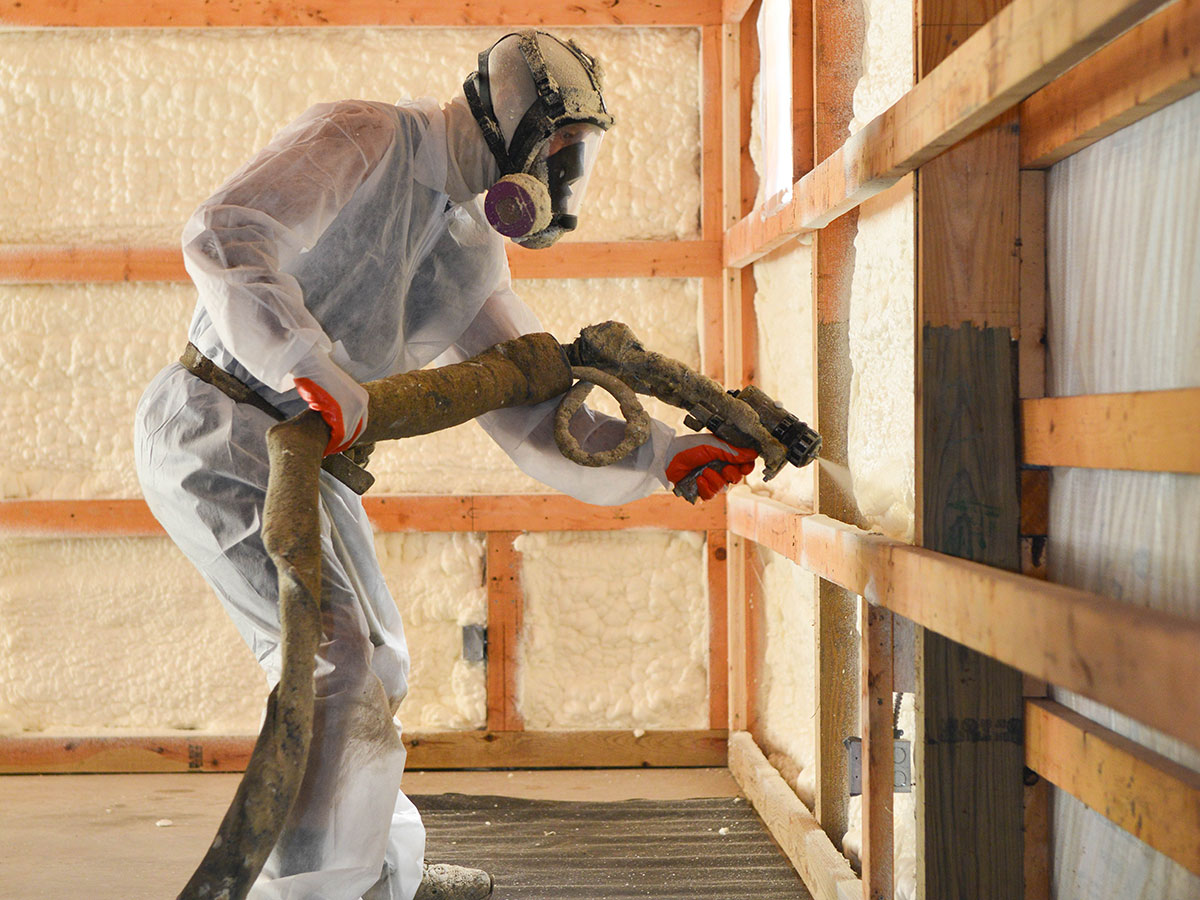 The Unchanging Performance of Spray Foam
Spray foam insulation avoids these long-term pitfalls because it becomes an integral and permanent part of the building's structure. Once it is applied and cured, it is a solid (or semi-solid, in the case of open-cell) plastic that is dimensionally stable.
- It Does Not Settle or Sag: Because spray foam adheres directly to the studs, sheathing, and other building materials, it is locked in place. It cannot settle, shrink, or fall out of its cavity, ensuring there are no gaps in the thermal envelope, ever.
- It Is Moisture Resistant: Closed-cell spray foam is waterproof and is recognized as a vapor barrier. It will not absorb water and is not damaged by moisture, making it an ideal choice for basements, crawl spaces, and attics.
- It Is Not a Food Source for Pests: Spray foam is an inert polymer. It offers no nutritional value to rodents or insects and, in the case of closed-cell foam, creates a hard physical barrier that is difficult for them to penetrate.
A Look at Long-Term Stability
This long-term stability means that the R-value and, crucially, the air seal that a homeowner invests in are locked in for the life of the home.
The Lasting Power of a Permanent Air SealA huge portion of spray foam's energy-saving power comes from its ability to stop air leakage, and this is one of its most durable features. While temporary fixes like caulk and weatherstripping can dry out and fail, the air seal from spray foam is permanent. It expands into every joint and penetration, creating a flexible or rigid seal that moves with the building's natural expansion and contraction without breaking. This ensures the home remains airtight for decades, not only preventing energy waste but also protecting the HVAC system. By creating a consistent, low-load environment, it reduces the wear and tear on the furnace and air conditioner, potentially extending their lifespan.
Evaluating Spray Foam as a Financial AssetViewing spray foam as a long-term investment requires a slightly different perspective than seeing it as a simple home improvement project.
The Upfront Cost vs. Lifetime ValueSpray foam has a higher initial cost than traditional insulation. However, when you consider that it will not need to be topped up, replaced, or supplemented for the entire life of the home, its lifetime value becomes much more apparent. It's a "one-and-done" investment in permanent building performance.
How Long You Plan to Live in the HomeThe financial benefits of spray foam accumulate over time. The longer a person lives in the home, the greater their total energy savings will be. However, even for those who plan to sell in a few years, a home with documented high-performance insulation can have a higher resale value, as energy efficiency is an increasingly important feature for homebuyers.
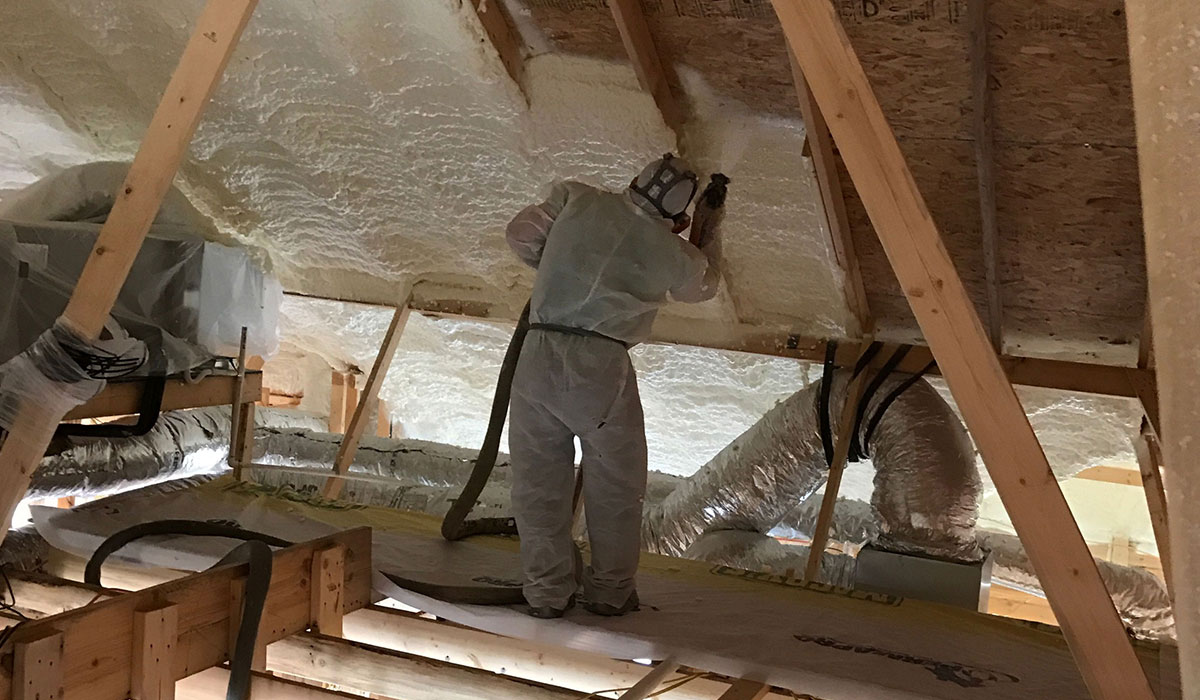 The Importance of Professional Installation
The long-term performance of spray foam is entirely dependent on the quality of the initial installation. The chemicals must be mixed at the right ratio, heated to the right temperature, and applied to a properly prepared surface. This is why it is absolutely critical to choose a qualified, experienced, and reputable contractor.
Questions People Ask About Long-Term SavingsWhat is the typical "payback period" for spray foam?This varies greatly depending on the home's initial condition, local energy costs, and the scope of the project. Payback periods can range from 5 to 10 years, but the energy savings begin immediately and continue long after the initial cost has been recovered.
Is spray foam a good investment for a new home?Yes, it is one of the best investments you can make in a new home. Installing it during construction is the most cost-effective time to do it, and it ensures the home will perform efficiently from day one, keeping utility bills low for its entire lifespan.
How does it compare to other long-term investments like solar panels?They are both excellent investments in energy efficiency that work well together. Spray foam is about reducing your energy consumption first (playing defense), while solar panels are about generating your own clean energy (playing offense). Reducing your home's energy needs first makes the investment in solar panels even more effective.
Does the R-value of spray foam ever go down?Open-cell foam, which uses air in its cells, maintains its R-value indefinitely. Closed-cell foam, which uses a special insulating gas, may experience a very small drop in R-value in the first year or so as a tiny amount of gas escapes, but it then stabilizes and will maintain that high R-value for decades.
Will I need to add more insulation in 15 years?No. Unlike some other insulation types that may need to be "topped up" after a decade or so, a home insulated with spray foam will not need any additional insulation.
An Investment in Lasting PerformanceResidential spray foam is more than just insulation; it's a long-term upgrade to a home's entire building envelope. Its ability to provide consistent, undiminished thermal and air-sealing performance for decades makes it one of the most reliable and effective energy-saving technologies available to homeowners. It is a true investment in a more comfortable, durable, and affordable future.
Thinking about that future starts with understanding how this investment applies to a specific home.
Create a Plan for Long-Term SavingsFor homeowners in the Fresno area who are thinking about the long-term performance and value of their home, a professional consultation is the best way to understand the benefits of a spray foam insulation system. An expert can assess the home and provide a clear picture of the potential energy savings. The team at Supreme Spray Foam – Fresno specializes in creating high-performance homes that save energy for the long haul. They can be reached for a detailed evaluation by email at info@supremesprayfoamfresno.com or by phone at (559) 545-0800.
Reviewer: Emma Robinson contributed her knowledge from 8 years working with the spray foam industry. Her review helped shape this content with ideas grounded in what contractors and homeowners actually value.