Reaming Tools Explained: Hammer Drill vs Regular Drill in Modern Drilling Projects
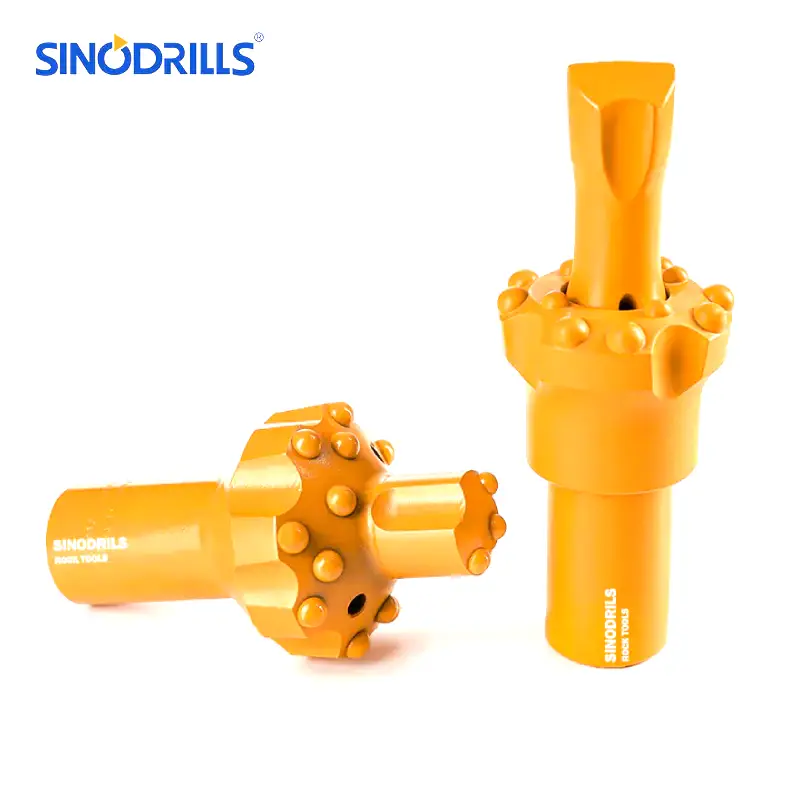
Drilling accuracy is no longer optional in today’s mining, construction, and infrastructure projects. Whether the goal is stable anchoring, precise blasting, or smooth borehole finishing, contractors must rely on the right tools and drilling methods. Two topics often discussed together are reaming tools and the debate of Hammer drill vs regular drill. Understanding how these tools and drilling methods work together can significantly improve performance, safety, and overall project efficiency.
This article explores the role of reaming tools in professional drilling and clearly explains the difference between hammer drills and regular drills in real-world applications.
What Are Reaming Tools and Why They MatterReaming tools are specialized drilling accessories designed to enlarge, straighten, or finish an existing borehole. Unlike standard drill bits that create an initial hole, reaming tools refine that hole to achieve precise diameter, smooth walls, and improved alignment.
In mining and rock drilling operations, reaming tools are commonly used after pilot drilling. They ensure that the final hole size meets engineering specifications, which is critical for applications such as rock bolting, foundation work, and blasting preparation. Poorly finished holes can lead to unstable anchors, uneven blasting results, and costly rework.
Another advantage of reaming tools is their ability to reduce tool deviation. By stabilizing the borehole and correcting minor alignment issues, they help achieve consistent results even in challenging ground conditions.
Reaming Tools in Mining and Construction ApplicationsAcross mining, tunneling, and infrastructure projects, reaming tools play a vital role in maintaining drilling quality. They are widely used in hard rock drilling, quarrying, geothermal drilling, and slope stabilization work.
In mining environments, reaming tools help create clean, uniform holes that support efficient explosive loading. In construction, they improve the accuracy of holes used for piles, anchors, and structural reinforcements. Because reaming tools reduce vibration and friction during hole enlargement, they also help extend the life of drilling equipment and reduce operational downtime.
Hammer Drill vs Regular Drill: Understanding the Core DifferenceOne of the most common questions among contractors is the comparison of Hammer drill vs regular drill. While both tools are designed to create holes, their working mechanisms and applications differ significantly.
A regular drill operates using rotary motion only. It is best suited for softer materials such as wood, plastic, and light metal. In construction or mining environments, regular drills are typically limited to surface-level tasks or non-structural work.
In contrast, a hammer drill combines rotation with rapid hammering action. When discussing Hammer drill vs regular drill, the hammer drill clearly stands out for hard materials like rock, concrete, and masonry. The hammering motion breaks the material while rotation clears debris, making it far more effective in demanding drilling conditions.
Hammer Drill vs Regular Drill in Professional Drilling ProjectsIn real-world drilling operations, the choice between Hammer drill vs regular drill directly affects productivity and hole quality. Hammer drills are essential when working with rock formations where impact energy is needed to fracture material efficiently.
When reaming tools are used in combination with hammer drilling systems, the results are even more effective. The hammer drill creates a strong pilot hole, while reaming tools enlarge and refine it to precise specifications. This combination is common in mining and heavy construction, where accuracy and durability are critical.
On the other hand, regular drills lack the impact force required for effective reaming in rock. This makes them unsuitable for most applications involving reaming tools in professional drilling environments.
How Reaming Tools Complement Hammer DrillingThe synergy between reaming tools and hammer drilling systems is one of the key drivers of modern drilling efficiency. Hammer drills provide the power needed to penetrate hard formations, while reaming tools ensure the final hole meets size and quality requirements.
By addressing the Hammer drill vs regular drill debate in practical terms, it becomes clear that hammer drills are the preferred choice for operations involving reaming. Reaming tools rely on stable, accurately drilled pilot holes, which hammer drills are designed to deliver in tough geological conditions.
This combination reduces drilling time, minimizes bit wear, and improves overall job site safety.
Cost Efficiency and Long-Term PerformanceUsing the correct drilling setup is not just about performance—it also impacts costs. Projects that use hammer drills alongside high-quality reaming tools often experience fewer delays, lower tool replacement rates, and improved workflow consistency.
When comparing Hammer drill vs regular drill, the hammer drill may have a higher initial cost, but it delivers better long-term value in demanding environments. Paired with durable reaming tools, it helps reduce operational risks and ensures predictable project outcomes.
Choosing the Right Tools for Your Drilling NeedsSelecting the right reaming tools and understanding the practical difference between Hammer drill vs regular drill is essential for drilling professionals. Ground conditions, hole depth, accuracy requirements, and project scale should all influence tool selection.
For mining, quarrying, and structural drilling, hammer drills combined with reaming tools offer unmatched reliability and precision. Regular drills remain useful for light-duty tasks but are not designed for heavy reaming or rock-based applications.
Final ThoughtsIn modern drilling operations, precision and efficiency go hand in hand. Reaming tools ensure boreholes meet exact specifications, while the choice between Hammer drill vs regular drill determines how effectively those holes are created in the first place. By understanding how these tools work together, contractors can improve drilling quality, control costs, and deliver consistently reliable results.