
Potting Soil for a Wet El Niño Winter | Evergreen Nursery
Heavy El Niño rain can drown container plants. Learn how to choose potting soil, fix drainage, and protect your East Bay garden this winter. Shop San Leandro.
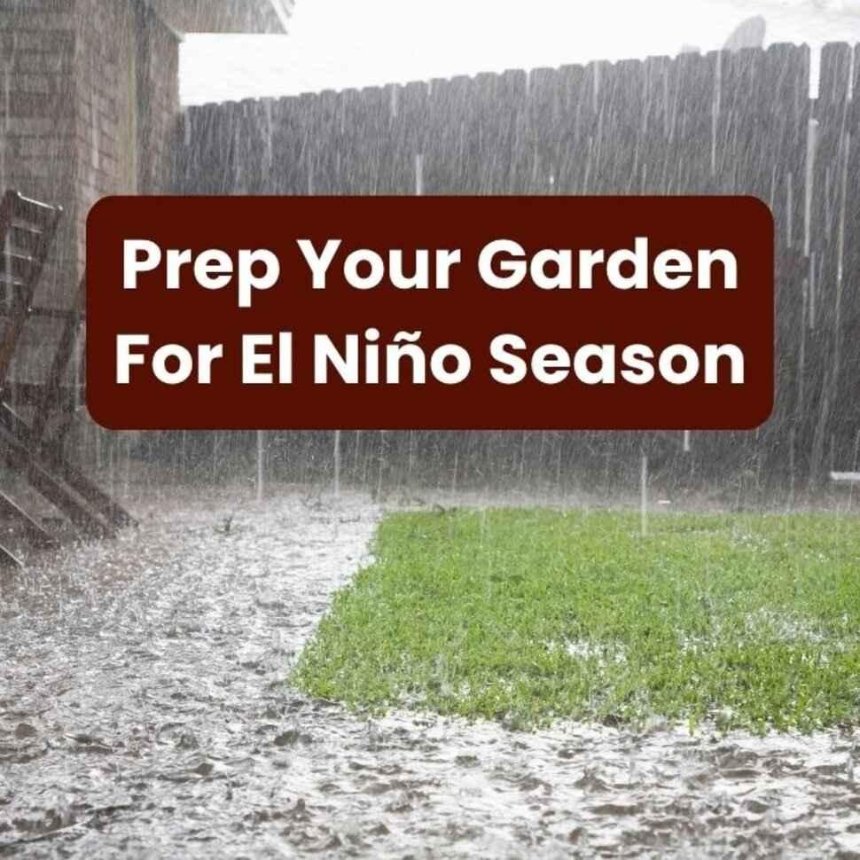
Potting Soil for a Wet El Niño Winter: How to Protect Your East Bay GardenThe best potting soil for a wet winter is a loose, fast-draining mix that holds some moisture but never stays soggy. It matters most in containers, because roots in a pot have nowhere to go when water pools around them. The NOAA Climate Prediction Center gives this El Niño a better than 90% chance of becoming a very strong event, and Northern California’s extra rain is expected January through March. The Bay Area sits on the northern edge of El Niño’s typical wet zone, so a drenching is likely but not guaranteed. Prepare anyway. Every step below helps in any big storm.Why Potting Soil Matters More in a Wet Winter
A garden bed can shed extra water into the ground around it. A pot can’t. When the mix inside is old, compacted, or too dense, water sits at the bottom and roots start to suffocate.
The usual result is root rot. UC IPM notes that it can take hold after as little as 4 to 8 hours of saturated soil. Wilting in wet soil is the red flag, and it fools people into watering more. Don’t.
How to Choose Potting Soil for Wet WeatherStart with the label and your hands. Good potting soil feels light and crumbly, not heavy or muddy, and it springs back when you squeeze it.
- Pick a mix made for containers. Soil dug from the yard packs down in a pot and drains poorly. Leave it in the bed.
- Match the mix to the plant. Lavender, rosemary, sages, succulents, and citrus want sharp drainage, so give them a gritty, fast-draining mix. Herbs, vegetables, and annuals do well in a richer, moisture-holding blend.
- Look for coarse, airy ingredients. Bark, perlite, and pumice create air pockets that let extra rain drain away.
- Check the pot, too. Even the best potting soil can’t help a container with no drainage hole.
Not sure which bag fits which plant? Browse our planting mixes or ask the Help Desk. We’d rather match you to the right mix than sell you the wrong one.
Refresh Tired Potting Soil Before the StormsOctober and November are your prep windows. Spend one dry weekend on your containers and you’ll skip a lot of heartache in February.
- Check the soil you have. If it’s compacted, sour-smelling, or pulling away from the pot’s edge, replace it. Healthy plants with no disease history can often keep their soil if you mix in fresh potting soil and a handful of compost.
- Clear the drainage holes. Roots and packed soil clog them more often than you’d think.
- Lift pots off the ground. Pot “feet” let water escape instead of backing up.
- Empty the saucers. A saucer full of rainwater is a bathtub for roots.
- Move what’s movable. Tuck potted citrus, succulents, and tender plants under eaves.
According to the UC Master Gardeners of Alameda County, about 85% of our yearly rain falls in winter, often in a few intense storms. Grab an umbrella during the first good rain and follow the water. Where does it leave the roof? Where does it puddle? Where does it carry soil away?
Look closely near your house. The residential building code calls for the ground to drop at least 6 inches within the first 10 feet of a foundation. Pull back beds and mulch that have crept against walls.
Adopt a Storm DrainFollow the water to the curb and you’ll find a storm drain. When leaves clog it, streets flood and debris washes into our creeks and the Bay. Oakland and San Leandro both run Adopt-a-Drain programs:
- Oakland: Adopters can borrow city tools and get rain alert emails before big storms.
- San Leandro: Pick a drain on the Adopt-a-Drain map, register it, and check it monthly. Public Works lends rakes, brooms, and shovels.
Clear the grate and the gutter beside it, bag the leaves for your green bin, and never lift the grate or push debris inside.
Fix Drainage Trouble SpotsMost yard flooding starts at the roof, so make sure gutters and downspouts flow freely and point away from the house. Then follow the Master Gardeners’ motto: slow it, spread it, sink it. Land downspouts on a bed of rocks that guides water into planted beds, a shallow swale, or a rain garden.
A rain garden is a shallow, planted basin that holds runoff just long enough to soak in. Place it at least 10 feet from your house and plan an overflow route. UC’s Coastal California Rain Gardens guide (PDF) covers sizing, depth, and plant lists.
Pro Tip: To test drainage, dig a hole about 12 inches deep, fill it with water, let it drain, refill it, and time it. Water still standing after 3 to 4 hours means slow drainage. Our summer fruit tree guide shows how to fix it.
Water pooling against your foundation, seeping into a crawlspace, or a slope starting to slump needs expert help. Renters should tell their landlord right away. Homeowners can hire a licensed landscape contractor and check the license first.
Protect the Plants in Your GroundYou don’t need to replant to get ready. Most of these fixes take an afternoon:
- Turn off irrigation once regular rains begin, but check the soil during long dry spells before deciding.
- Know your at-risk plants. Lavender, rosemary, many sages, ceanothus, manzanita, succulents, and citrus suffer most in soggy soil.
- Steer runoff around them with a downspout extension, a shallow trench, or a line of rocks. Never pile new soil over a plant’s root crown.
- Pull mulch back a few inches from stems, trunks, and graft unions. “Volcano mulching” invites crown rot.
- Check trees and shrubs after storms. Trim broken branches 1 inch thick or smaller with loppers, and call an arborist for anything bigger.
If a plant wilts in wet soil or drops leaves early, send a photo to our Help Desk and we’ll help you sort out next steps.
Read More: How to Prepare Your Garden for a Wet El Niño Winter
Cover Bare Soil With Mulch and CompostBare soil washes away fast. The UC Master Gardeners recommend 3 to 4 inches of mulch over plant root areas. Choose something dense that won’t float off, like our Shredded Redwood or Almond Wood Chip bulk mulch. In the Oakland hills and other high fire-risk areas, use gravel instead of wood mulch within 5 feet of your house.
Before you mulch, spread a top dressing of Certified Organic Compost. It builds the soil structure that lets rain soak in, and it works in your pots too. A scoop mixed into tired potting soil is one of the easiest upgrades you can make.
After storms, stay off wet soil, because it compacts easily. Skip fertilizing and spraying before rain as well, since storms wash garden chemicals into creeks and the Bay.
Potting Soil and El Niño Prep FAQWhat is the best potting soil for a rainy winter?Choose a light, airy mix labeled for containers, with coarse ingredients like bark, perlite, or pumice. Plants that hate wet feet, such as succulents, citrus, and lavender, need an even faster-draining blend.
Can I use garden soil instead of potting soil in containers?No. Garden soil compacts in pots and holds too much water, which raises the risk of root rot during a wet winter.
Can I reuse old potting soil?Often, yes. If the plant was healthy, loosen the soil and mix in fresh potting soil and compost. Replace it if the plant had root rot or pests, or if the soil is compacted and sour-smelling.
When should I start preparing my garden for El Niño?Now. The heaviest rain is expected January through March, so use the dry fall weekends to clear gutters, refresh containers, mulch, and plant.




Take Your Delivery Business Forward with Quick Commerce App Developmen...

Does DHI Hair Transplant help improve hairline symmetry?
DHI Hair Transplant in Abu Dhabi offers a precise hair restoration approach that helps imp...
