
Penile Implant: Procedure, Types, Benefits, Risks & Recovery
Dot Clinics in Multan offers professional and discreet treatment options for Erectile Dysfunction (ED), helping men regain confidence and improve their quality of life.
Erectile dysfunction (ED) is a common condition that affects millions of men worldwide. While medications such as Viagra and Cialis, lifestyle changes, and other therapies help many individuals, some men do not respond to these treatments. For those seeking a long-term and reliable solution, a penile implant can be a highly effective option.
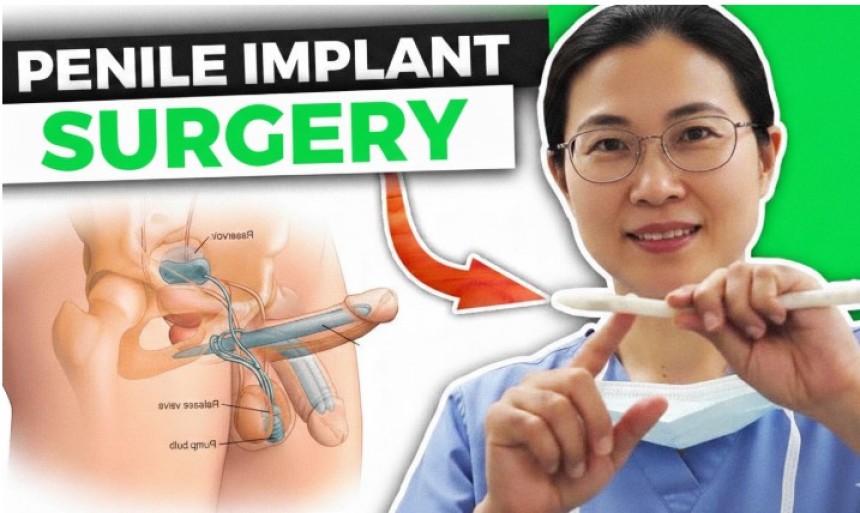
A penile implant, also known as a penile prosthesis, is a medical device surgically placed inside the penis to help men achieve and maintain an erection suitable for sexual intercourse. Modern penile implants are safe, discreet, and offer high satisfaction rates among patients and their partners.
This comprehensive guide explains everything you need to know about penile implants — including types, procedure, benefits, risks, recovery, cost considerations, and frequently asked questions.
A penile implant is a surgically inserted device designed to treat severe erectile dysfunction. Unlike oral medications or injections, which temporarily improve blood flow, penile implants provide a mechanical solution to achieve an erection.
The implant is placed entirely inside the body, making it invisible externally. Once healed, it allows the man to control when and how long he has an erection.
Penile implants are typically recommended when:
- ED medications are ineffective
- The patient cannot tolerate ED drugs due to side effects
- There is nerve damage (e.g., after prostate surgery)
- Diabetes has severely affected erectile function
- Peyronie’s disease causes significant curvature with ED
- Other treatments have failed
There are two main types of penile implants:
1. Inflatable Penile Implant (Most Popular Option)Inflatable implants are the most commonly used type today due to their natural feel and appearance.
Three-Piece Inflatable ImplantThis system consists of:
- Two inflatable cylinders placed in the penis
- A fluid reservoir placed in the abdomen
- A pump placed inside the scrotum
How it works:
- The patient squeezes the pump in the scrotum.
- Fluid moves from the reservoir into the cylinders.
- The penis becomes firm and erect.
- After intercourse, the release valve is pressed to drain fluid back into the reservoir.
Advantages:
- Most natural-looking erection
- Better flaccid (soft) state when not in use
- More control over firmness
This system has:
- Cylinders in the penis
- A pump in the scrotum (reservoir included in pump)
It is often recommended for patients who cannot have abdominal surgery.
This implant consists of bendable rods placed inside the penis.
How it works:
- The penis remains firm but bendable at all times.
- The user manually positions the penis upward for intercourse and downward for concealment.
Advantages:
- Simpler surgery
- Lower mechanical failure rate
- Easier to use for patients with limited hand strength
Disadvantages:
- Penis remains semi-rigid at all times
- Less natural appearance
Penile implants are usually recommended for men who:
- Have chronic erectile dysfunction lasting more than 6 months
- Have not responded to medications, vacuum devices, or injections
- Have severe diabetes-related ED
- Have undergone prostate surgery
- Have spinal cord injury-related ED
- Have Peyronie’s disease with ED
However, candidates must:
- Be physically healthy enough for surgery
- Have realistic expectations
- Understand that the implant does not increase penis size beyond natural erect length
Before surgery, your doctor will:
- Review medical history
- Perform physical examination
- Conduct blood tests
- Possibly perform imaging tests
- Discuss implant options
- Explain risks and expectations
- The procedure is performed under general or spinal anesthesia.
- A small incision is made either at the base of the penis or in the lower abdomen.
- The implant is inserted inside the erectile chambers (corpora cavernosa).
- Components are positioned appropriately.
- The incision is closed with sutures.
The surgery typically takes 1–2 hours.
Most patients go home the same day or within 24 hours.
Recovery is generally straightforward but requires patience.
Immediately After Surgery- Swelling and bruising are normal.
- Mild to moderate discomfort may occur.
- Pain medications are prescribed.
- Antibiotics are given to prevent infection.
- Avoid sexual activity for 4–6 weeks.
- Avoid heavy lifting or strenuous exercise.
- Follow hygiene instructions carefully.
- Attend follow-up appointments.
For inflatable implants, the doctor usually teaches the patient how to operate the device after healing (about 4–6 weeks post-surgery).
Most men return to normal activities within 4–6 weeks.
Penile implants offer several advantages over other ED treatments:
1. High Success RateSuccess rates exceed 90–95% in properly selected patients.
2. Spontaneous IntimacyUnlike pills or injections, no waiting period is required.
3. Long-Term SolutionImplants can last 10–15 years or longer.
4. Natural Sensation- Orgasm and ejaculation (if previously possible) remain unchanged.
- Sensitivity typically remains intact.
Many men report restored self-esteem and improved relationships.
Although penile implant surgery is generally safe, risks include:
1. Infection (1–3%)Higher risk in diabetic patients.
2. Mechanical FailureModern devices are highly durable, but malfunction can occur over time.
3. PainTemporary pain is common after surgery.
4. Implant ErosionRare but possible, requiring removal.
5. Scar TissueMay occur in rare cases.
Choosing an experienced urologist significantly reduces risks.
This is a common concern.
- The implant restores the penis to its natural erect size before ED.
- It does not increase length beyond original size.
- Some men perceive slight shortening due to long-term ED shrinkage before surgery.
Pre-surgical counseling helps manage expectations.
Penile implants have one of the highest satisfaction rates among ED treatments.
Studies show:
- 85–95% patient satisfaction
- 80–90% partner satisfaction
Reasons for high satisfaction include reliability, firmness, and spontaneity.
Costs vary depending on:
- Country
- Type of implant
- Surgeon’s experience
- Hospital charges
Approximate ranges:
- USA: $15,000–$25,000
- UK: £8,000–£15,000
- Pakistan/India: Significantly lower compared to Western countries
In some countries, insurance may cover the procedure if medically necessary.
TreatmentEffectivenessPermanenceSpontaneityOral PillsModerateTemporaryLimitedInjectionsHighTemporaryLimitedVacuum DeviceModerateTemporaryLimitedPenile ImplantVery HighLong-TermExcellent
Penile implants are usually considered after other options fail.
False. Younger men with severe ED also benefit.
Myth 2: It Reduces PleasureFalse. Sensation and orgasm usually remain unchanged.
Myth 3: The Implant Is VisibleFalse. It is completely concealed inside the body.
Myth 4: It Is DangerousModern implants are FDA-approved and safe when performed by experienced surgeons.
Erectile dysfunction often leads to:
- Depression
- Anxiety
- Relationship stress
- Low self-esteem
A penile implant can restore:
- Sexual confidence
- Relationship satisfaction
- Emotional well-being
Many couples report improved intimacy and communication.
Modern implants are durable.
- Average lifespan: 10–15 years
- Some last 20+ years
- Mechanical failure rates are low
If malfunction occurs, revision surgery can replace the device.
Patients are advised to:
- Stop smoking
- Control blood sugar (for diabetics)
- Avoid blood thinners as directed
- Follow pre-operative instructions carefully
Proper preparation reduces complications.
Once fully healed:
- Erections can be achieved anytime.
- No medication is needed.
- There is no effect on urination.
- Sexual satisfaction often improves.
Most men say they wish they had chosen the procedure earlier.
Mild to moderate discomfort is normal but manageable with medication.
Can the implant be removed?Yes, but removal may affect natural erectile ability.
Will others notice?No. The device is internal and discreet.
How soon can I resume sex?Usually 4–6 weeks after surgery.
Does insurance cover it?In many countries, yes, if medically necessary.
A penile implant is a highly effective, long-term solution for men suffering from severe erectile dysfunction. When other treatments fail, this surgical option provides reliability, confidence, and restored intimacy.
With modern technology, high satisfaction rates, and improved surgical techniques, penile implants have transformed the lives of countless men and their partners.
If you are considering a penile implant, consult a qualified urologist to discuss your options, expectations, and suitability. Proper evaluation and expert care ensure the best outcomes.
Solvarex Review: What Makes This Formula Stand Out?
What Is Solvarex? Solvarex is a dietary supplement designed to support general metabolic...