
Overhead Cable Selection Guide: How Utilities and Contractors Can Reduce Power Loss and Improve Grid Reliability
HNBF Power, a global manufacturer of overhead conductors and power cables, supplies advanced conductor solutions.
In modern power transmission and distribution systems, choosing the right overhead cable is critical for maintaining grid stability, reducing energy losses, and ensuring long-term operational reliability. Utilities, EPC contractors, industrial developers, and electrical engineers all face growing pressure to build cost-effective electrical networks that can withstand environmental challenges while delivering consistent performance.
An incorrectly selected overhead cable can lead to excessive voltage drop, conductor overheating, high maintenance costs, and unexpected outages. This is why the demand for durable, high-conductivity, and weather-resistant overhead conductors continues to rise across utility infrastructure projects worldwide.
HNBF Power, a global manufacturer of overhead conductors and power cables, supplies advanced conductor solutions including AAC, AAAC, ACSR, ABC cables, LV power cables, and concentric cables designed for modern transmission and distribution applications. Understanding how overhead cables work and selecting the correct type for specific environments can significantly improve electrical system efficiency and reduce lifecycle costs.
What Is an Overhead Cable?An overhead cable is an electrical conductor installed above ground on poles or towers to transmit and distribute electrical power across short or long distances. These cables are widely used in urban power networks, rural electrification projects, industrial plants, substations, and utility transmission lines.
Overhead cable systems are preferred because they offer:
- Lower installation costs compared to underground systems
- Easier maintenance and inspection
- Faster fault detection and repair
- High flexibility for expanding power networks
- Excellent performance over long transmission distances
Modern overhead conductors are engineered to provide high conductivity, mechanical strength, corrosion resistance, and thermal stability under varying environmental conditions.
Types of Overhead Cables Used in Power DistributionDifferent applications require different conductor constructions. Selecting the correct overhead cable depends on voltage level, span length, environmental conditions, and mechanical loading requirements.
AAC – All Aluminum ConductorAAC conductors are manufactured using high-purity aluminum strands. They provide excellent electrical conductivity and are commonly used in urban distribution networks where shorter spans are required.
Key Advantages- High conductivity
- Lightweight construction
- Good corrosion resistance
- Economical for short-distance applications
- Urban power distribution
- Low and medium-voltage networks
- Coastal electrical systems
AAAC conductors use aluminum alloy materials that provide higher tensile strength than AAC while maintaining good conductivity.
Benefits of AAAC Conductors- Improved mechanical strength
- Better sag performance
- Enhanced corrosion resistance
- Longer service life
- Mountainous regions
- Coastal transmission lines
- Medium and long-span distribution systems
ACSR conductors are among the most widely used overhead transmission conductors globally. They combine aluminum strands for conductivity with a galvanized steel core for additional mechanical strength.
Why ACSR Is Popular- Excellent strength-to-weight ratio
- Suitable for long transmission spans
- High mechanical durability
- Reliable under heavy wind and ice loads
- High-voltage transmission lines
- Utility substations
- Industrial transmission networks
- Rural electrification projects
HNBF Power manufactures high-performance ACSR conductors designed to meet international utility standards for reliable long-distance power transmission.
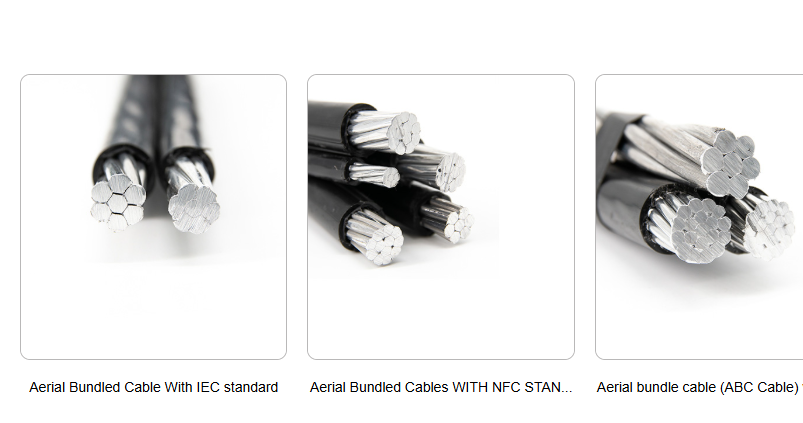
ABC Cable – A Safer Alternative for Distribution NetworksAerial Bundled Cable (ABC) systems are increasingly replacing conventional bare conductors in modern distribution networks.
Unlike traditional open-wire systems, ABC cables are insulated and bundled together, improving operational safety and reducing electrical faults.
Key Benefits of ABC CableEnhanced SafetyInsulated conductors minimize accidental electric shocks and reduce the risk of short circuits.
Lower Maintenance CostsABC systems reduce outages caused by tree contact, storms, and wildlife interference.
Reduced Power TheftThe insulated bundled design makes illegal tapping more difficult.
Improved ReliabilityABC cables perform efficiently in congested urban environments and harsh weather conditions.
Common Applications- Urban distribution systems
- Rural electrification
- Residential power networks
- Temporary construction power systems
Choosing the right overhead conductor requires careful technical evaluation. Engineers and procurement teams should analyze multiple operational factors before finalizing cable specifications.
Electrical ConductivityHigher conductivity reduces transmission losses and improves system efficiency. Aluminum-based conductors are widely used due to their excellent conductivity-to-weight ratio.
Mechanical StrengthLong-span installations require conductors capable of handling tension, wind pressure, and environmental stress without excessive sagging.
Environmental ConditionsCoastal regions, industrial zones, and high-humidity environments require corrosion-resistant conductors such as AAAC or specially treated ACSR cables.
Thermal PerformanceConductors must withstand high operating temperatures while maintaining stable electrical performance.
Installation CostsUtilities must balance initial procurement costs with long-term operational savings and maintenance requirements.
HNBF Power works closely with utility engineers and EPC contractors to recommend customized overhead cable solutions based on project-specific technical requirements.
Why Overhead Cables Remain Essential in Modern Power InfrastructureDespite the growth of underground cabling systems, overhead cables continue to dominate global transmission and distribution infrastructure because of their cost efficiency and operational flexibility.
Faster Network ExpansionOverhead systems can be installed more quickly than underground cable networks, supporting rapid electrification projects.
Easier Inspection and MaintenanceVisual inspections help utility teams identify faults before major failures occur.
Lower Capital InvestmentOverhead lines require significantly less excavation, trenching, and insulation infrastructure.
Scalability for Utility ProjectsPower utilities can easily upgrade or expand existing overhead networks as electricity demand increases.
For developing regions and expanding industrial economies, overhead transmission systems remain the most practical and cost-effective solution.
Common Challenges with Overhead Cable SystemsAlthough overhead conductors provide numerous advantages, poor design or incorrect material selection can create operational issues.
Excessive SaggingImproper conductor sizing may lead to increased sag under high temperatures.
Corrosion DamageEnvironmental exposure can shorten conductor lifespan if unsuitable materials are selected.
Power LossesLow-quality conductors may increase resistance and energy losses.
Weather-Related FailuresStorms, ice accumulation, and strong winds can damage poorly engineered cable systems.
This is why sourcing conductors from experienced manufacturers like HNBF Power is essential for long-term reliability and performance.
How HNBF Power Supports Global Utility ProjectsHNBF Power supplies advanced overhead conductor solutions for utilities, contractors, industrial facilities, and power infrastructure developers worldwide.
The company offers:
- AAC conductors
- AAAC conductors
- ACSR conductors
- ABC cables
- LV power cables
- Concentric cables
Products are manufactured according to recognized international electrical standards.
Customized Engineering SolutionsCable configurations can be tailored for specific voltage levels, span lengths, and environmental conditions.
Consistent Product QualityStrict quality control ensures reliable electrical and mechanical performance.
Global Supply CapabilityHNBF Power supports utility and infrastructure projects across international markets.
Future Trends in Overhead Cable TechnologyAs power demand increases globally, overhead cable technology continues to evolve.
High-Temperature Low-Sag ConductorsModern conductors are being developed to carry higher current loads with reduced sagging.
Smart Grid IntegrationUtilities are increasingly integrating advanced monitoring systems with transmission infrastructure.
Improved Corrosion ResistanceNew alloy technologies are extending conductor lifespan in aggressive environments.
Sustainable Grid ExpansionEnergy-efficient conductor designs help reduce transmission losses and support cleaner energy systems.
Manufacturers like HNBF Power continue investing in advanced conductor technologies to meet the changing demands of global utility infrastructure.
FAQsWhat is the difference between AAC and ACSR conductors?AAC conductors are made entirely of aluminum and provide high conductivity, while ACSR conductors include a steel core for added mechanical strength and longer transmission spans.
Why are ABC cables preferred in urban areas?ABC cables improve safety, reduce outages, minimize power theft, and perform well in crowded distribution environments.
Which overhead cable is best for long-distance transmission?ACSR conductors are commonly used for long-distance transmission because of their excellent tensile strength and durability.
How long do overhead conductors typically last?High-quality overhead conductors can operate reliably for several decades when properly installed and maintained.
What factors affect overhead cable performance?Conductivity, tensile strength, environmental exposure, temperature, span length, and installation quality all influence conductor performance.
ConclusionSelecting the right overhead cable is essential for building reliable, efficient, and cost-effective power transmission and distribution networks. From AAC and AAAC conductors to ACSR and ABC cable systems, each solution offers unique advantages depending on the application environment and operational requirements.
For utilities, EPC contractors, and industrial power developers seeking dependable conductor solutions, HNBF Power provides advanced overhead cable products engineered for modern electrical infrastructure demands.
Contact HNBF Power today to discuss customized overhead conductor solutions for your next utility transmission or distribution project.
From Squirrel to Moose: Matching Ten Cartridges to the Animal
From Squirrel to Moose: Matching Ten Cartridges to the Animal