One Pill Cannot Do Everything Unless It Is the Right One: How to Find the Best Daily Vitamin for Men and Women
Choosing the best vitamin for men or the best vitamin for women requires understanding what your body actually needs, how different nutrients interact, and why gender-specific formulations outperform generic alternatives for every adult at any life stage.
Vitamins and minerals work as cofactors in hundreds of metabolic processes. Deficiencies in even a single nutrient can affect energy levels, immunity, cognitive clarity, and physical performance. Daily supplementation with a comprehensive, gender-appropriate multivitamin is the most practical way to ensure consistent coverage of all essential micronutrients throughout adult life.
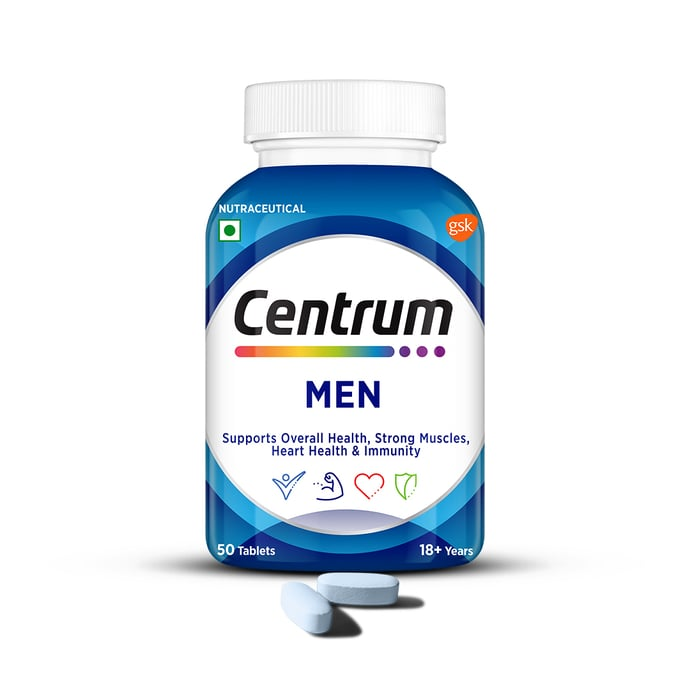
Men and women have fundamentally different physiological needs. Hormonal profiles, reproductive biology, and gender-related disease risk patterns all influence which nutrients each group needs most and in what quantities for genuine benefit.
Hormonal Differences Drive Nutrient PrioritiesWomen require higher iron during reproductive years due to menstrual blood loss. Men benefit more from higher zinc for testosterone support. These divergent needs make generic multivitamins less effective than formulations calibrated to each gender's specific priorities.
Different Disease Risk ProfilesMen face earlier cardiovascular risk while women face greater osteoporosis risk. These patterns inform which nutrients should be prioritized and at what doses, making gender-specific formulations more clinically relevant to real-world health outcomes.
Metabolic Rate and Energy DemandsMen generally have higher muscle mass and metabolic rates, creating greater demands for B vitamins and zinc supporting energy and protein metabolism. Women's supplements emphasize iron and folate more heavily for distinct metabolic reasons.
Best Vitamin for Men Key Nutrients and Their RolesThe best vitamin for men covers a broad nutritional spectrum while emphasizing nutrients that support the specific health concerns most relevant to adult male physiology and the lifestyle demands most men navigate daily.
Vitamin B12 for Energy and Neurological FunctionB12 supports red blood cell production, nerve myelin formation, and DNA synthesis. Men with active lifestyles, high stress levels, or plant-dominant diets are at particular risk of B12 depletion affecting energy and cognitive clarity.
Zinc for Testosterone and Immune FunctionZinc is lost through sweat and poorly absorbed from plant-based foods. Men who exercise regularly, follow vegetarian diets, or are over 50 should ensure their multivitamin provides at least 11 mg of zinc in a bioavailable form.
Vitamin D for Bones, Muscles, and ImmunityIndia has a widespread vitamin D deficiency problem. For men specifically, vitamin D supports bone density, muscle protein synthesis, testosterone levels, and immune response, making it non-negotiable in any quality men's supplement.
Selenium and Vitamin E as AntioxidantsSelenium and vitamin E work synergistically to neutralize free radicals and protect cells from oxidative damage. Men with physically demanding lives or high environmental exposure benefit particularly from consistent antioxidant nutrient coverage.
Best Vitamin for Women Key Nutrients and Their RolesThe best vitamin for women addresses health priorities that change across a woman's life from reproductive health through menopause to the post-menopausal focus on bone density, cognitive health, and cardiovascular protection over the decades.
Iron for Blood and Energy HealthWomen of reproductive age need approximately twice the iron of men. Iron supports hemoglobin production and oxygen delivery to every cell. Iron-deficiency anaemia is one of the most prevalent nutritional problems among Indian women of all ages.
Folate for Cellular and Neurological HealthFolate supports DNA synthesis, cell division, and neurological function. It is critical before and during pregnancy and continues to support cellular health throughout adulthood. Most women benefit from consistent daily folate intake through a quality supplement.
Calcium and Vitamin D for Bone ProtectionWomen lose bone density faster than men throughout adult life and dramatically faster after menopause. Calcium provides the structural mineral for bone tissue, while vitamin D ensures calcium absorbs effectively from the gut into the bloodstream.
Antioxidant vitamins support collagen synthesis, skin healing, and immune defense. Vitamin C also enhances iron absorption, an important synergistic benefit for women whose multivitamin also provides iron for blood health support.
How to Evaluate Any Multivitamin Before BuyingBeyond marketing claims, several practical criteria help identify genuinely effective vitamins for men or women. Applying these criteria simplifies the selection process and helps avoid supplements that underdeliver despite impressive packaging.
- Check the nutrient list for coverage of all major vitamins A, B-complex, C, D, E, and K alongside key minerals including zinc, magnesium, selenium, copper, manganese, and chromium for complete daily coverage.
- Look for bioavailable nutrient forms such as methylcobalamin for B12, magnesium citrate rather than oxide, and chelated minerals that the body absorbs and utilizes most efficiently from a daily supplement.
- Verify scientific credibility. Centrum provides 23 essential nutrients for men and women in formulations developed with decades of nutritional research behind each gender-specific product.
- Consider the format. Tablets provide the highest nutrient density per serving. Gummies and powders often contain lower nutrient amounts and more sugars or additives that are unnecessary for nutritional supplementation.
- Match the supplement to your life stage. A multivitamin designed for adults over 50 differs significantly from one for younger adults, particularly in vitamin D, B12, calcium, and iron dosing for each age group.
Even the best vitamin for men or women provides no benefit without consistent daily use. Building supplementation into a daily routine and choosing the right time of day for absorption maximizes the practical value of any multivitamin.
- Take your multivitamin with a meal containing some fat. Fat-soluble vitamins including A, D, E, and K require dietary fat for absorption. Taking supplements with breakfast or lunch improves their bioavailability significantly.
- Avoid taking multivitamins with coffee or tea immediately. Tannins and caffeine can impair absorption of certain minerals. A 30-minute gap between your morning beverage and supplement improves mineral uptake.
- Set a daily reminder or link your supplement routine to a consistent daily habit like breakfast. Consistent timing removes the cognitive effort from daily supplementation and improves long-term adherence significantly.
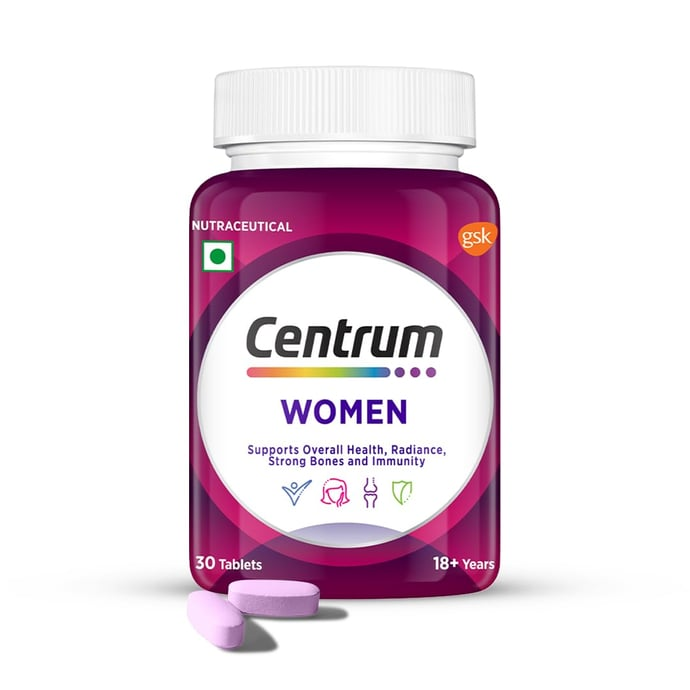
The best vitamin for men and the best vitamin for women are not interchangeable. They reflect meaningful differences in how male and female bodies utilize nutrients, what deficiencies they are prone to, and what health outcomes they need to protect over time. Choosing a gender-specific, science-backed multivitamin like Centrum provides the most reliable foundation for daily nutritional security, energy, and long-term health for every adult.