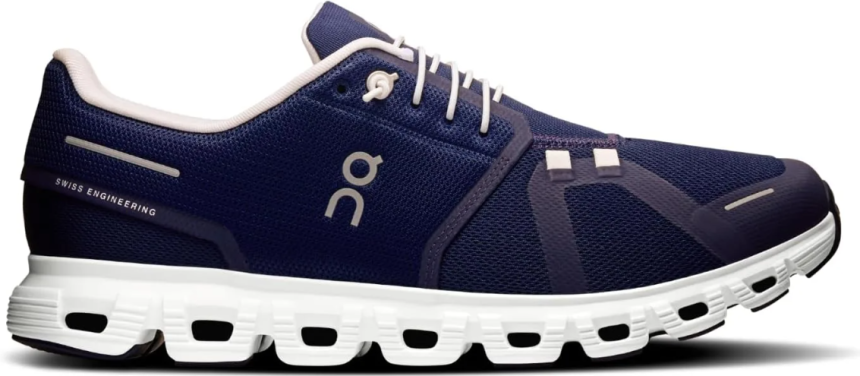

On Cloud Tennis Shoes for Court Players and Casual Wearers
post
Choosing Shoes for Two Different Uses
Choosing on cloud tennis shoes for both court play and casual wear requires a little more thought because these activities place different demands on footwear. Tennis involves lateral movement, quick stops, pivots, and repeated changes of direction, while casual wear usually means walking, standing, commuting, or running simple errands. A shoe that feels comfortable during a relaxed walk isn't automatically suitable for regular tennis. Start by deciding which activity is more important in your routine. If you play several times a week, court performance should remain a priority. If tennis is occasional and most of your day involves walking, everyday comfort may carry more weight. Try the shoes with your normal socks and test several movements before buying. Walk forward, bend your knees, shift your weight, and perform controlled side steps. Your heel should remain secure while your toes have enough room to move naturally. The best choice depends on how you actually plan to use the footwear.
Court Movement Needs More SupportTennis places demands on footwear that casual walking doesn't. During a match or training session, you may move sideways repeatedly, stop suddenly, and push away from the court at different angles. Your shoe therefore needs to keep your foot reasonably secure while allowing natural movement. Check the heel and midfoot first. Then perform several controlled lateral shuffles and stops. One practical observation is that heel movement can be almost invisible during straight walking but much easier to notice when you move sideways. Don't simply tighten the laces as much as possible if the heel slips. Excessive tension can create pressure across the top of your foot without fixing the underlying fit. If the shoe remains loose after reasonable adjustment, its shape may not suit your foot. Court performance should also influence your choice of outsole. Hard courts and clay courts create different traction and wear conditions, so your regular playing surface matters when selecting footwear.
Check the Main FeaturesIf you're comparing footwear for both tennis and casual use, focus on the features that matter in each setting:
- Check the heel for secure movement during walking and lateral steps.
- Make sure the toe area allows comfortable natural movement.
- Consider whether the outsole suits your regular court surface.
- Evaluate cushioning based on how long you normally stay on your feet.
- Test stability during controlled stops and side movements.
- Consider durability if the shoes will be used frequently.
These checks prevent you from focusing too heavily on appearance or one technical specification. A shoe may feel excellent during everyday walking but lack the court-specific qualities you need for frequent tennis. Likewise, a highly structured court shoe may feel less natural if you wear it for long periods of casual walking. Test both types of movement before deciding. If tennis makes up most of your weekly activity, prioritize court performance first. If casual wear dominates and tennis is occasional, everyday comfort may deserve greater attention. There's no need to force one pair into every possible role if its design isn't suited to that balance. Your actual routine should determine the compromise you're willing to make.
Fit Matters in Both SettingsA secure fit benefits you whether you're playing tennis or walking around town. Your heel should stay in place without rubbing, your midfoot should feel supported, and your toes should have enough space. Try the shoes with the socks you normally wear for both activities if those socks differ. A thicker casual sock can change the amount of space inside the shoe compared with a thin tennis sock. Don't assume the same size will feel identical with every combination. Walk around for several minutes before testing more demanding movements. If you plan to play tennis, add controlled lateral shuffles and stops. If you're mainly buying for casual wear, climb stairs and walk at different speeds. Pay attention to pressure points because they can become more noticeable after several hours. A good fit shouldn't require constant adjustment. If you're repeatedly tightening the laces or repositioning your foot, consider whether the shoe shape is actually suitable. Fit is more important than trying to make one pair work through constant modifications.
How on cloud Works Across Daily ActivitiesThe broader on cloud range includes footwear for different activities, so intended use should remain part of your decision. Court tennis and casual walking have overlapping comfort needs, but their movement requirements aren't identical. Tennis demands more lateral control, while everyday walking is generally more forward-focused. If you're a serious court player, don't choose a shoe mainly because it feels comfortable during errands. Test its court behavior first. Casual wear can then become a secondary benefit. On the other hand, if you're a casual wearer who occasionally plays tennis, a versatile option may be more practical than buying highly specialized footwear. Think about the hardest activity your shoes need to handle regularly. Then judge whether the shoe provides enough support for that activity without becoming unnecessarily restrictive during everyday use. There's no universal solution. Your playing frequency, walking habits, court surface, and personal comfort preferences all influence what makes sense.
Cushioning for Court and Casual ComfortCushioning can be useful in both settings, but the ideal sensation may differ. Casual wear often involves long periods of walking or standing, where comfortable underfoot cushioning can become noticeable. Tennis adds quick movement and court contact, so excessive softness may feel less controlled for some players. Test the shoe while walking and during several controlled lateral movements. Notice whether the cushioning remains comfortable without making your foot feel unstable. Some people prefer a softer sensation, while others like a firmer platform that feels more connected to the ground. Neither preference is automatically right. Session length also matters. Someone walking for several hours may judge cushioning differently from someone playing a short recreational tennis session. There's an honest limitation here: cushioning specifications can't predict exactly how comfortable a shoe will feel for every person. Body weight, foot shape, movement style, and personal preference all influence the experience. Choose the balance that matches the activity you perform most often.
Think About Grip and DurabilityGrip becomes more important when the footwear is used for tennis. During casual walking, predictable traction is still useful, but the shoe isn't normally subjected to repeated pivots and lateral stops. Check the outsole regularly if you use the shoes on court. Hard surfaces can gradually wear the tread, while clay can leave material packed into the outsole. Avoid unnecessary long walks on rough pavement if you're trying to preserve dedicated court footwear. One pair used for both tennis and casual walking may therefore experience faster overall wear than a pair reserved mainly for court sessions. That doesn't automatically make dual-purpose use a bad idea. It simply means you should understand the trade-off. If you play frequently, separate court shoes may make more practical sense. If you play occasionally, using one pair for both activities may be reasonable. Watch for changes in grip, cushioning, and support instead of relying on a fixed lifespan. Once the outsole becomes noticeably smooth, cleaning can't restore the lost rubber.
Everyday Comfort and BreathabilityCasual wear often means keeping your shoes on for several hours, so breathability and overall comfort can become important. A shoe that feels fine during a short tennis session may feel different after a full day of walking. Try the footwear with your normal everyday socks and check whether the upper creates pressure around the toes or midfoot. Breathability can also matter during warm weather. However, don't sacrifice fit simply to get a lighter or more ventilated upper. After a long day or tennis session, let the shoes air out before storing them. Don't place damp footwear directly into a closed bag. If the insoles are removable, taking them out can help the inside dry more effectively. Avoid strong direct heat when drying. These small habits won't prevent normal wear, but they can help maintain comfort between uses. If you're using the same pair for court and casual activities, regular cleaning becomes more important because the shoes accumulate different types of dirt throughout the week.
Final ThoughtsChoosing on cloud footwear for court play and casual wear means accepting that these two uses don't have identical requirements. Tennis needs reliable lateral movement, court-appropriate grip, and enough stability for repeated stops and direction changes. Casual wear places greater emphasis on walking comfort, cushioning, breathability, and all-day fit. Don't assume one pair will be perfect at everything. If you play tennis several times each week, I'd prioritize dedicated court performance and treat everyday use as a secondary benefit. If tennis is only occasional, a versatile pair may make more sense for your routine. There's also a clear limitation: using the same footwear for both activities can increase total wear, especially if you walk frequently on rough pavement. Check the outsole and cushioning regularly rather than waiting for obvious damage. The practical choice is the pair that fits securely, feels comfortable during your main activity, and provides enough support for the most demanding movement you expect from it.
FAQs1. Can tennis shoes be used for casual wear?Yes, they can be suitable for casual walking, although frequent everyday use can increase overall wear.
2. Can casual shoes be used for tennis?Not necessarily. Tennis involves lateral movement and sudden stops that require footwear designed for court movement.
3. Should court players prioritize stability or cushioning?Both matter, but the right balance depends on your playing style, court surface, and session length.
4. Does everyday walking wear out tennis shoes faster?It can, especially when walking frequently on rough pavement or other abrasive surfaces.
5. Is one pair enough for tennis and casual use?Occasional players may find one versatile pair practical, while frequent players may benefit from keeping dedicated court footwear separate.

Explore Creative Kitchen Cabinets Design Ideas for Your Home
A well-planned kitchen cabinets design can transform the appearance and functionality of y...