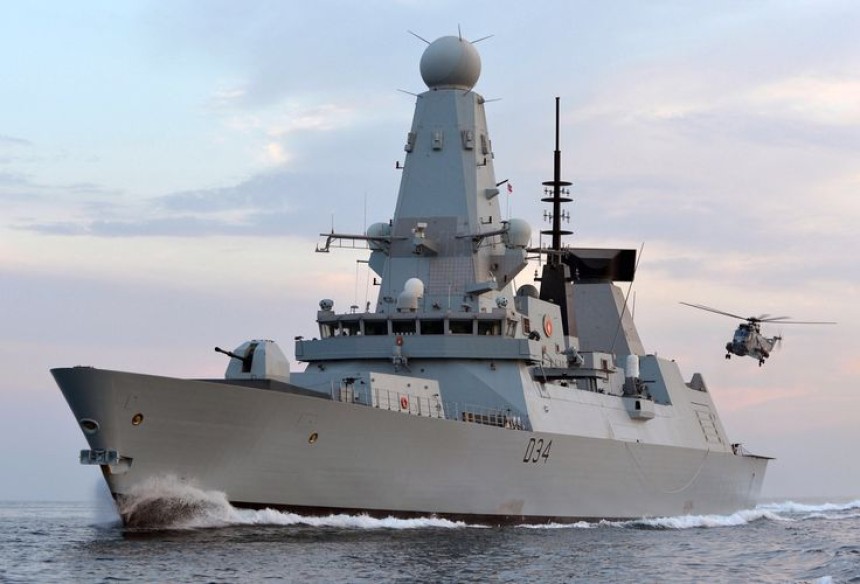

Naval Warfare Strategy
For centuries, the ocean has been the arena where empires were built, secured, or shattered. From the triremes of ancient Greece to the steel leviathans of the World Wars, navies have always played a decisive role in global power dynamics. Today, the Naval Warfare Strategy is undergoing another profound transformation, shaped by rapid technological advancements, shifting alliances, and emerging maritime threats. The Changing Face of Naval Warfare Traditionally, naval strategy focused on controlling sea lanes, projecting power, and ensuring supply lines remained uninterrupted. While these objectives remain essential, the tools and methods have drastically evolved. No longer is naval supremacy determined solely by the size of fleets or the number of aircraft carriers. Instead, it is defined by a combination of precision technologies, cyber capabilities, unmanned systems, and the ability to adapt quickly in contested waters. Modern naval warfare emphasizes three main pillars: deterrence, technological superiority, and interoperability. Together, they create a layered approach where fleets can operate with both offensive and defensive versatility. Technology as the New Compass The integration of cutting-edge technology has become the defining factor in contemporary Naval Warfare Strategy. Hypersonic missiles, stealth submarines, and unmanned surface or underwater vehicles are changing how battles are planned and fought. Artificial intelligence (AI) is also becoming a crucial asset, analyzing vast amounts of data to anticipate threats, coordinate fleet maneuvers, and even control autonomous platforms. Cyber warfare, often overlooked, is now central to naval planning. An adversary need not sink a ship if it can disable its navigation systems or compromise its communication networks. Thus, cybersecurity is no longer a secondary concern—it is the front line of defense. The Geopolitical Stage Strategic naval operations are not just about firepower—they are about influence. The Pacific Ocean, the South China Sea, and the Arctic have emerged as flashpoints where naval power is used to assert territorial claims and safeguard maritime resources. Nations like the United States, China, India, and Russia are investing heavily in modern fleets, each pursuing strategies that balance deterrence with aggressive posturing. Alliances also play a critical role. NATO exercises demonstrate how joint operations enhance readiness, while regional collaborations in the Indo-Pacific highlight the need for coordinated responses to new threats. In this sense, Naval Warfare Strategy is not just national—it is global. Unmanned and Autonomous Platforms One of the most transformative shifts in modern naval doctrine is the rise of unmanned systems. Autonomous underwater vehicles (AUVs) and drone ships are being deployed for reconnaissance, mine detection, and even offensive missions. These technologies reduce risks to human personnel while expanding operational reach. Swarm tactics, where multiple unmanned platforms operate in unison, represent a new frontier in maritime combat. Imagine dozens of small, inexpensive drones overwhelming a high-value warship—a scenario that forces navies to rethink their defensive strategies. Balancing Offense and Defense The art of naval warfare lies in balance. While offense is critical for projecting power and deterring adversaries, defense ensures survival in contested waters. Today, naval defense strategies go beyond traditional anti-air and anti-submarine warfare. Directed-energy weapons, advanced missile defense systems, and electronic warfare capabilities are becoming integral to protecting fleets against fast, unpredictable threats. The Future Horizon Looking forward, Naval Warfare Strategy will continue to be shaped by the intersection of innovation and geopolitics. Space-based assets may become vital for maritime surveillance and targeting. Quantum communication could revolutionize secure fleet coordination. Meanwhile, climate change and melting Arctic ice will open new sea routes, demanding fresh strategic thinking. Ultimately, the future of naval dominance will not be determined by sheer firepower but by the ability to innovate, integrate, and anticipate. Nations that can align technology with tactical flexibility will define the maritime order of the 21st century. Conclusion The seas remain the ultimate proving ground of global power. As history has shown, those who master maritime strategy shape the destiny of nations. In today’s era, Naval Warfare Strategy is not just about controlling oceans—it is about commanding the future. With advanced technologies, new doctrines, and global collaborations, navies are preparing for a world where the next great contest of power may not be on land or in the air, but beneath and across the waves. Visit Us:https://ttimesoftruth.com/the-shift-naval-warfare-modern-strategy/


CX777: A Modern Online Gaming Platform for Entertainment and Rewards
CX777: A Modern Online Gaming Platform for Entertainment and Rewards



Coffee Board License: Complete Guide to Registration, Export Process &...
Learn the complete Coffee Board License process, eligibility, documents, registration, exp...