Musical Toys for Early Childhood Development: A Practical Guide for Parents
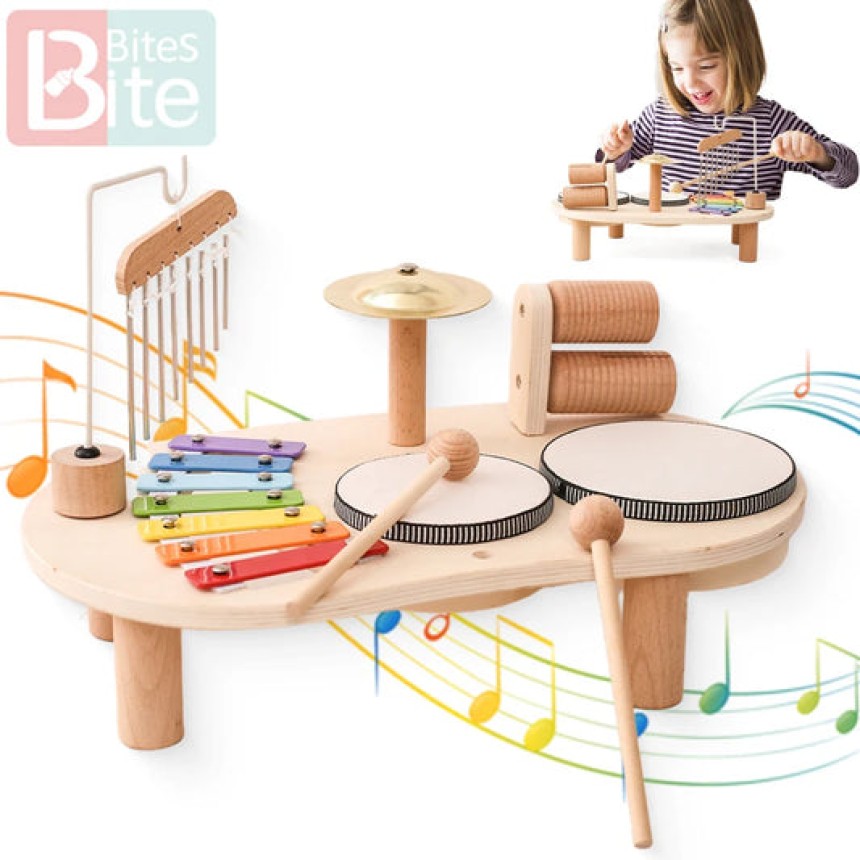
If you’ve ever handed your child a brightly colored instrument only to wonder whether it’s helping or just adding noise to your living room, you’re not alone. Many parents want to introduce Musical Toys but aren’t sure how they truly support early childhood education or whether they’re just another distraction. The truth is, when used intentionally, music-based play can strengthen cognitive growth, fine motor skills, and emotional regulation — all while offering a powerful form of screen-free play. In this guide, we’ll break down what actually matters and how to approach it the right way. Why Musical Toys Matter More Than We Think Before choosing anything, it helps to understand why sound and rhythm are so powerful in child development. Music Builds Brain Pathways When children shake a rattle, tap a drum, or press piano keys, they’re not just making sound. They’re strengthening neural connections related to: Pattern recognition Memory development Auditory processing Coordination This is especially important in preschool education, where rhythm supports early math skills and phonemic awareness. Music Encourages Emotional Regulation Have you noticed how toddlers naturally sway or bounce when music plays? Rhythm helps children process emotions. Predictable beats create a sense of safety and structure — something that’s foundational in Montessori learning environments. How to Choose Musical Toys That Actually Support Learning Not all music-based play is equal. The key is intention. Step 1: Start With Open-Ended Sound Exploration Avoid toys that do everything automatically. Instead, look for simple instruments that require action: Wooden shakers Hand drums Xylophones Bells When children control the sound, they learn cause and effect — a core concept in early childhood development. Step 2: Focus on Skill Development, Not Volume Louder doesn’t mean better. Choose items that help build: Fine motor control (small mallets, finger placement) Bilateral coordination (using both hands) Listening skills (soft vs. loud differences) For parents looking for thoughtfully designed options that support developmental play without overstimulation, this helpful resource on sound-based learning tools offers practical guidance on what to look for and why design matters. Step 3: Integrate Into Daily Learning Musical play doesn’t need a separate “music time.” Here’s how homeschool families and preschool teachers often integrate it: Clap syllables during reading practice Tap rhythms while counting Create clean-up songs for transitions Use gentle background instrumental music during independent work For example, one homeschooling parent used rhythm sticks to practice skip counting. The physical tapping helped her child internalize the pattern faster than worksheets alone. Step 4: Avoid Common Mistakes Many parents unintentionally turn music into passive entertainment. Common pitfalls: Overstimulating electronic sound toys Constant background noise Press-and-play devices with no interaction Active participation matters more than pre-recorded melodies. In Montessori-inspired spaces, simplicity supports concentration. Fewer, well-chosen musical toys often create deeper engagement than a basket full of noisy gadgets. Real-Life Scenario: The 4-Year-Old Who Wouldn’t Sit Still A preschool teacher noticed one child struggled during circle time. Instead of forcing stillness, she introduced a small hand drum. The child was allowed to softly tap along during storytime. Within weeks: Attention improved Disruptions decreased Participation increased The rhythm provided sensory input that helped regulate focus — something worksheets alone couldn’t achieve. This is where educational play becomes powerful: when it meets developmental needs instead of resisting them. Practical Tips You Can Use Immediately Rotate instruments weekly to maintain curiosity. Model how to explore sound instead of instructing too much. Keep volume moderate to protect sensory balance. Encourage children to create their own “sound stories.” Pair rhythm activities with early literacy or math lessons. Even five minutes a day of intentional music play can support kids skill development in meaningful ways. The Bigger Picture Music is one of the earliest forms of communication. Babies respond to rhythm before they understand words. When we thoughtfully introduce Musical Toys into home or classroom environments, we’re not just offering entertainment — we’re supporting coordination, confidence, creativity, and cognitive growth. And the best part? It doesn’t require perfection or musical talent from parents. Start small. Stay intentional. Observe how your child responds. Over time, you’ll likely notice that musical toys become less about noise — and more about connection, learning, and joyful development.
Best LED Screen Rentals in Saudi Arabia for Events
Make your events more engaging with high quality display solutions. LED Screen Rentals in...


What Are the Benefits of Seeing an Experienced Orthodontist Miami?
At Ivanov Orthodontic Experts, patients of all ages receive customized treatment plans des...

What Are the Benefits of Seeing an Experienced Orthodontist Miami?
They also stay updated on modern orthodontic techniques, allowing them to recommend the mo...
