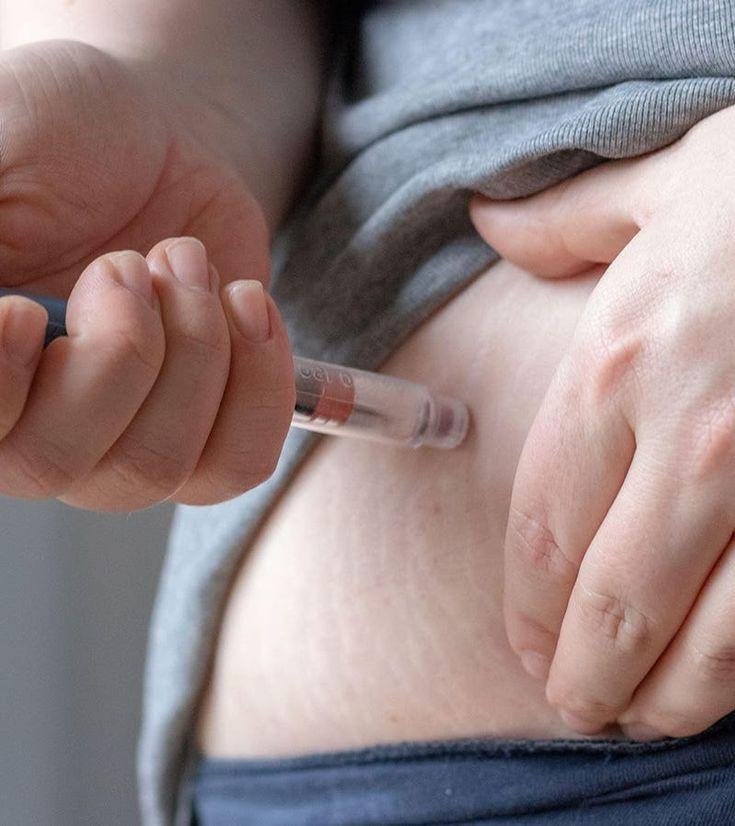

Mounjaro Injection: How to Approach Sustainable Weight Loss
Mounjaro Injection may help manage type 2 diabetes and support weight management. Learn about its uses, dosage, benefits.
Sustainable weight loss is rarely about following an extreme diet for a few weeks or exercising intensely for a short period. For many people, maintaining a healthier weight requires a long-term approach that combines nutrition, physical activity, behavioral changes, and, when appropriate, medical treatment. One treatment that has attracted considerable attention in recent years is Mounjaro injection, which contains the active ingredient tirzepatide.
For people researching Mounjaro Injection in Muscat, understanding how tirzepatide works, who may benefit from it, what lifestyle habits support treatment, and what factors can affect long-term results can make the treatment journey easier to understand.
Mounjaro is a prescription medication containing tirzepatide. It acts on two hormone pathways involved in blood-sugar regulation and appetite: glucose-dependent insulinotropic polypeptide (GIP) and glucagon-like peptide-1 (GLP-1). Tirzepatide has been studied extensively for weight management, with clinical research demonstrating substantial weight reduction in adults with obesity or overweight accompanied by weight-related health problems.
However, medication is only one part of a sustainable weight-management strategy. The goal is not simply to see a lower number on the weighing scale, but to develop healthier habits that can support physical health and weight maintenance over time.
Understanding How Mounjaro Injection Supports Weight ManagementTirzepatide works by activating GIP and GLP-1 receptors. These hormone pathways are involved in appetite regulation, insulin response, digestion, and energy balance. One practical effect for many patients is reduced appetite, which can make it easier to consume fewer calories without constantly feeling hungry.
Clinical research has shown that tirzepatide can produce significant weight loss when used alongside lifestyle intervention. In the 72-week SURMOUNT-1 trial, adults with obesity or overweight and at least one weight-related health condition received tirzepatide or placebo together with lifestyle counseling. Average weight reduction varied according to the dose, with higher doses producing greater average reductions in the study population.
These results are encouraging, but they should not be interpreted as a promise that every person will lose a particular amount of weight. Individual results can differ because of factors such as starting weight, health conditions, medication use, nutrition, physical activity, adherence, and how the body responds to treatment.
For someone considering Mounjaro Injection in Muscat, a healthcare professional can determine whether tirzepatide is appropriate based on the individual's medical history and weight-management goals.
Why Sustainable Weight Loss Requires More Than an InjectionAn injection can support appetite control, but it does not replace healthy daily habits. In fact, the original SURMOUNT-1 study incorporated lifestyle intervention alongside tirzepatide. Participants received guidance related to healthy eating and physical activity during the study.
This is an important principle for anyone considering medical weight management. A sustainable approach generally focuses on several areas.
A balanced eating pattern can provide adequate protein, fiber, vitamins, minerals, and other nutrients while helping control overall calorie intake. Meals can include vegetables, fruits, whole grains, lean protein sources, legumes, and appropriate portions of healthy fats.
Regular movement is also valuable. Depending on a person's fitness level and health status, activity may include walking, resistance exercises, swimming, cycling, or other enjoyable forms of exercise. Building muscle through resistance training can be particularly useful during weight loss because preserving lean tissue is an important part of maintaining physical function.
Sleep and stress management should also receive attention. Poor sleep and chronic stress can influence appetite, food choices, energy levels, and adherence to healthy routines.
The objective is therefore not to depend entirely on medication. Instead, treatment can become one component of a broader strategy designed to improve health and make weight management more manageable.
What Can Someone Expect During Treatment?Mounjaro treatment generally involves a gradual dosing approach rather than immediately starting with a high dose. In clinical research, tirzepatide was initially introduced at a lower dose and increased gradually at intervals to help the body adjust. The exact treatment schedule should always be determined by the prescribing healthcare professional rather than copied from another person's experience.
During the early stages, some people may notice changes in appetite or food intake before substantial changes become visible on the scale. Weight loss can also fluctuate from week to week. Temporary plateaus do not necessarily mean that treatment has stopped working.
It can be more useful to monitor progress over several weeks or months instead of focusing on daily weight changes. Measurements such as waist circumference, clothing fit, energy levels, physical activity, and improvements in health markers may also provide useful information.
Healthcare follow-up is particularly important during dose adjustments. A healthcare professional can assess tolerance, review progress, discuss other medications, and determine whether the treatment plan needs modification.
Common Side Effects and Safety ConsiderationsLike other prescription medications, tirzepatide can cause side effects. Gastrointestinal symptoms are among the most frequently reported effects. These may include nausea, diarrhea, vomiting, constipation, abdominal discomfort, or reduced appetite. In clinical trials, gastrointestinal events were generally mild to moderate and occurred particularly often during the dose-escalation period.
Some people may find that eating smaller meals, eating slowly, and avoiding very heavy or high-fat meals can make digestive symptoms easier to manage. Adequate fluid intake can also be important, particularly if vomiting or diarrhea occurs.
However, side effects should not simply be ignored. Persistent vomiting, severe abdominal pain, signs of dehydration, or other concerning symptoms warrant prompt medical attention.
Tirzepatide is also not suitable for everyone. A healthcare professional should review relevant medical conditions, current medications, allergies, pregnancy status where applicable, and personal or family medical history before treatment begins. Self-starting, changing the dose without guidance, or obtaining injections from unreliable sources can create unnecessary health risks.
People searching for Mounjaro Injection in Muscat should therefore focus on obtaining treatment through an appropriate medical assessment rather than choosing a dose based solely on information found online.
Building a Sustainable Routine During Mounjaro TreatmentOne of the biggest opportunities during weight-loss treatment is using improved appetite control to establish habits that can continue long term.
A practical routine may begin with regular meals based on nutrient-dense foods. Protein can be included in meals to support fullness and muscle maintenance, while vegetables, fruits, legumes, and whole grains can contribute fiber and essential nutrients.
Portion awareness can also become easier when appetite decreases. Instead of forcing large meals, a person may benefit from smaller portions eaten according to hunger and fullness signals.
Physical activity can gradually become part of the daily routine. Someone who is currently inactive does not necessarily need to begin with intense workouts. A regular walking schedule, followed by progressively more challenging activity, may be a more manageable starting point. Strength training can be incorporated as fitness improves.
Hydration is another consideration. Because reduced appetite may also mean reduced overall food and fluid intake, regular drinking habits can help support general well-being.
Finally, progress should be viewed as a long-term process. Weight may rise or fall slightly from one week to another due to hydration, food intake, hormonal changes, and other factors. Sustainable progress is better assessed through longer-term trends.
What Research Says About Longer-Term Weight ManagementThe evidence surrounding tirzepatide has continued to develop. A later three-year analysis of SURMOUNT-1 participants with obesity and prediabetes found that participants receiving tirzepatide maintained substantial weight reductions over the study period. The research also found a lower incidence of progression to type 2 diabetes in the tirzepatide groups compared with placebo. Gastrointestinal side effects remained the most common adverse events, with no new safety signals identified in that analysis.
These findings are important because sustainable weight management is not simply about losing weight quickly. Maintaining improvements over time is a major part of successful obesity treatment.
At the same time, long-term treatment decisions should be individualized. A person should not assume that medication will always be required at the same dose or for the same duration. The appropriate plan depends on response, health goals, side effects, medical history, and professional assessment.
It is also important to recognize that stopping treatment can change appetite and weight trajectories. For this reason, anyone considering reducing or discontinuing tirzepatide should discuss the decision with the prescribing healthcare professional and develop an appropriate follow-up strategy.
Choosing a Responsible Approach to Mounjaro Injection in MuscatPeople considering Mounjaro Injection in Muscat may encounter a large amount of information online, including personal success stories, rapid weight-loss claims, dosing advice, and promotional content. Such information can be useful for understanding general experiences, but it should not replace individualized medical advice.
A responsible approach begins with an assessment of whether medication is medically appropriate. The healthcare professional may consider body weight, BMI, existing health conditions, medications, previous weight-management attempts, eating patterns, and other relevant factors.
Treatment should then be monitored rather than viewed as a one-time solution. Follow-up appointments can help evaluate weight changes, appetite, side effects, nutrition, physical activity, and overall health.
Most importantly, expectations should remain realistic. Tirzepatide can support meaningful weight reduction, but there is no universal timeline or guaranteed result. Sustainable weight management is more likely to involve patience, consistency, medical supervision, and lifestyle changes that can continue beyond the initial treatment period.
For people exploring Mounjaro Injection in Muscat, the most useful question is not simply how quickly weight can be lost. A more valuable question is how treatment can be incorporated safely into a comprehensive plan that supports healthier eating, regular movement, improved well-being, and long-term weight management.
Frequently Asked Questions1. What is Mounjaro injection used for?
Mounjaro contains tirzepatide, a medication that acts on GIP and GLP-1 hormone pathways. It is used as a prescription treatment for certain patients with type 2 diabetes, while tirzepatide is also used in weight-management treatment under appropriate prescribing and regulatory indications. Its effects can include improved appetite control and reduced food intake.
2. Can Mounjaro injection help with sustainable weight loss?
Tirzepatide has demonstrated substantial weight reduction in clinical studies when combined with lifestyle intervention. However, individual results vary, and sustainable weight management generally requires ongoing attention to nutrition, physical activity, behavior, and medical follow-up.
3. How quickly does Mounjaro start working for weight loss?
Some people notice appetite changes relatively early, but weight loss occurs at different rates. Treatment usually involves gradual dose increases, and progress should be evaluated over time rather than judged by changes from only a few days or weeks.
4. What are the common side effects of Mounjaro?
Common side effects can include nausea, diarrhea, vomiting, constipation, abdominal discomfort, and decreased appetite. Gastrointestinal effects are particularly common during dose escalation. Anyone experiencing severe or persistent symptoms should contact a healthcare professional.
5. Does Mounjaro replace diet and exercise?
No. Clinical trials of tirzepatide for weight management included lifestyle intervention, and healthy eating and regular physical activity remain important components of comprehensive weight management. Medication can support the process but does not replace healthy habits.
6. Should someone start Mounjaro without a medical consultation?
No. Tirzepatide is a prescription medication, and suitability depends on individual health factors, medications, medical history, and treatment goals. A qualified healthcare professional should assess the person before treatment and monitor the response during therapy.
Read More About Mounjaro Injection: https://www.gooalsocial.com/blogs/view/38573

How Expedited Passport Service USA and Emergency Passport Assistance H...
Planning an international trip can be exciting, but passport delays can quickly become str...

Pharmacie moderne et santé personnelle : découvrir les traitements et...
Biosensors Market Economic Environmental Analysis and Future Forecast...
The global biosensors market size was valued at USD 32.2 billion in 2025 and is projected...