
Mole Removal for Facial Skin: Safety and Results
If you are researching Mole removal in Dubai, understanding how facial moles are assessed, which treatments may be appropriate, and what results to expect can help you make a safer decision.
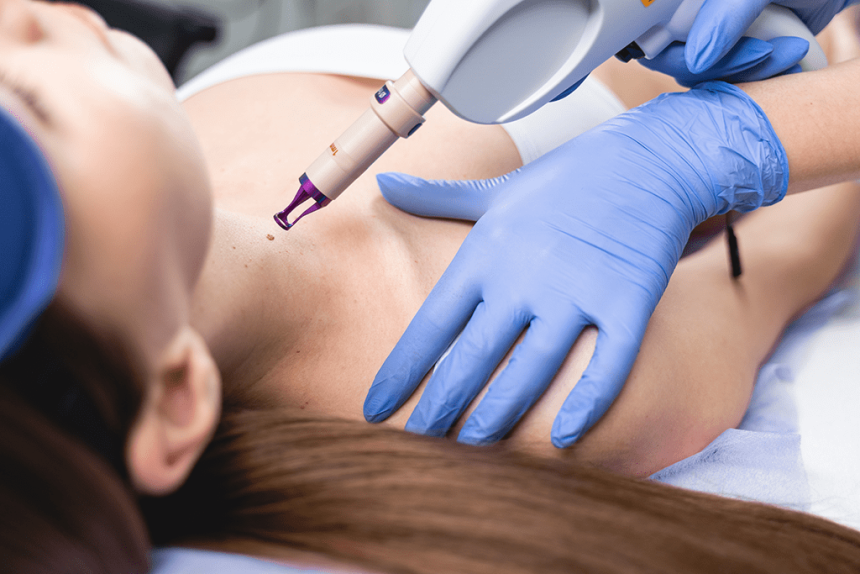
Facial moles can be harmless, but their prominent location may make some people consider removal for cosmetic or practical reasons. If you are researching Mole removal in Dubai, understanding how facial moles are assessed, which treatments may be appropriate, and what results to expect can help you make a safer decision. Because the face is highly visible and delicate, treatment should focus on both effective removal and careful skin healing.
Is Facial Mole Removal Safe?Mole removal can generally be performed safely when the lesion is properly assessed and the procedure is carried out by a qualified medical professional. However, facial skin requires particular care because even a small mark or scar can be noticeable.
Before cosmetic removal, a dermatologist should determine whether the mole appears benign or has features that require further investigation. Most moles are harmless, but changes in size, shape, colour, bleeding, crusting, itching, or pain should be medically assessed rather than treated purely for cosmetic reasons.
A suspicious mole may require a biopsy. A skin biopsy allows the removed tissue to be examined under a microscope and is an important part of diagnosing skin cancer when a lesion appears concerning.
For this reason, facial mole removal should never begin with an assumption that every mole is simply a cosmetic imperfection.
What Are the Main Facial Mole Removal Options?The appropriate technique depends on factors such as the mole's size, depth, appearance, location, and whether there is any concern about abnormal cells. A dermatologist can recommend the most suitable approach after examining the skin.
Common approaches include:
- Surgical excision: The entire mole is cut out, and stitches may be required. The removed tissue can be sent for laboratory examination when appropriate.
- Shave removal: A surgical blade is used to remove a raised mole from the surface of the skin. In appropriate cases, the tissue may also be examined microscopically.
- Other lesion-specific techniques: Depending on the diagnosis, a specialist may discuss other methods, but not every technique is suitable for every pigmented mole.
The treatment choice should therefore be based on diagnosis rather than simply selecting the procedure that sounds fastest or least invasive.
For facial skin, the goal is usually to remove the unwanted lesion while preserving as much healthy surrounding tissue as possible.
How Is the Treatment Selected for Facial Skin?Facial mole treatment begins with an examination rather than immediately removing the lesion. The dermatologist may assess its colour, borders, symmetry, size, elevation, and any changes you have noticed over time.
If the mole looks suspicious, removal may serve a diagnostic purpose as well as a treatment purpose. In these situations, the specimen can be examined by a specialist laboratory to determine whether abnormal or cancerous cells are present.
For a clearly benign mole that is being removed because of appearance or irritation, the discussion may instead focus on the cosmetic outcome, healing process, and likelihood of a visible mark.
Important factors to discuss before treatment include:
- Whether the mole needs a biopsy or laboratory examination.
- Which removal technique is appropriate.
- Whether stitches are likely to be needed.
- Where the resulting mark is expected to be located.
- How the wound should be cared for during healing.
- What signs of complications should prompt medical attention.
This assessment is particularly important on areas such as the nose, cheeks, forehead, lips, and around the eyes, where tissue characteristics and visibility can affect the final appearance.
What Results Can You Expect After Facial Mole Removal?The result of facial mole removal depends on the technique used, the size and depth of the mole, the individual's healing response, and the location of the treatment.
A removed mole does not necessarily mean the skin will look completely untouched afterward. Even carefully performed procedures can leave some degree of temporary redness or a scar, particularly when an incision is required. Skin biopsy guidance from Guy's and St Thomas' NHS Foundation Trust notes that a small scar can remain after a biopsy, while potential short-term risks include infection, bleeding, and swelling.
Initially, the treated area may look different from the surrounding skin. Redness, mild swelling, crusting, or sensitivity can occur during the healing process, depending on the procedure.
Over time, the appearance generally becomes more settled as the skin heals. However, individual results vary, and no responsible practitioner can guarantee that facial mole removal will leave absolutely no visible mark.
People with a history of prominent or thick scars should also discuss this before treatment, as their individual healing pattern may influence the cosmetic outcome.
How Can You Support Better Healing?After treatment, following the clinician's wound-care instructions is one of the most important steps for achieving a good cosmetic result. The treated area should be kept clean and protected according to the instructions provided.
Avoid picking at a scab or repeatedly touching the area, as unnecessary irritation can interfere with healing. If stitches are used, follow the instructions about keeping the site protected and attending any recommended follow-up appointment.
Sun protection is also important after facial procedures. Ultraviolet exposure can contribute to skin damage and may affect the appearance of healing skin, so protecting the treated area from excessive sun exposure is sensible. The NHS recommends regular use of high-factor sunscreen and other sun-protection measures for people with facial moles.
Contact a medical professional if you notice signs such as increasing redness, significant swelling, persistent bleeding, worsening pain, pus, or other unexpected changes.
When Should You Have a Mole Checked Before Removal?Cosmetic concerns should never be the only consideration when a mole has changed.
Seek medical assessment if you notice that a facial mole:
- Changes in size, shape, or colour
- Develops irregular or uneven borders
- Begins bleeding or crusting
- Becomes persistently itchy or painful
- Looks noticeably different from your other moles
- Appears as a new or unusual mark that does not go away
These changes do not automatically mean that a mole is cancerous. However, they warrant professional assessment because melanoma can present as a new or changing mole. Early evaluation can improve the chances of detecting skin cancer at a more treatable stage.
It is also important not to attempt facial mole removal at home. Cutting, shaving, or applying unapproved mole-removal products can cause infection, scarring, and potentially delay the diagnosis of skin cancer.
Choosing a Safe Approach for Facial Mole RemovalWhen considering facial mole removal, the priority should be proper diagnosis followed by an appropriate treatment plan. A qualified dermatologist can assess whether the mole is suitable for cosmetic removal and whether tissue examination is necessary.
It is useful to ask about the expected scar, healing timeline, possible complications, and whether the removed tissue will be sent for pathology. These questions can help you understand the difference between simply removing a visible mole and safely managing a potentially suspicious skin lesion.
Ultimately, facial mole removal is not a one-size-fits-all procedure. The safest option depends on the individual lesion and your skin, so a professional assessment should come before choosing a treatment method.
ConclusionFacial moles can often be removed safely when they are properly assessed and treated using an appropriate technique. However, because the face is highly visible, treatment should consider both medical safety and the cosmetic appearance of the healing skin. Mole removal should therefore begin with a professional evaluation, especially if the mole is new or has changed in appearance. With the right assessment, realistic expectations, and appropriate aftercare, patients can make a more informed decision about treatment.


Audio Transformers in Public Address Systems: Why Are They Needed?
Imagine yourself inside an active factory during the first hour of a working shift. You ne...