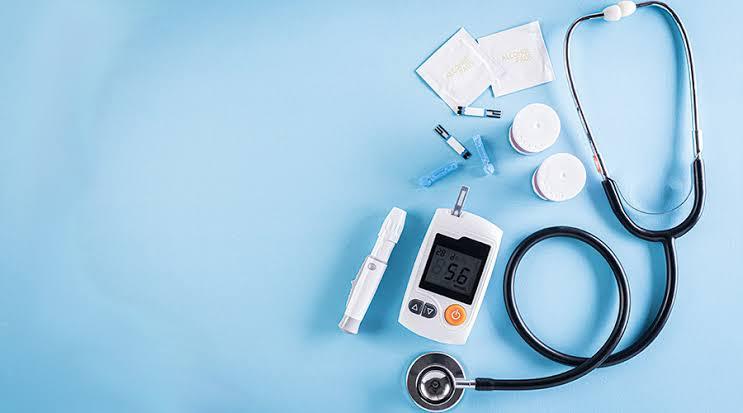

Medical Equipment Checklist for Ortho Clinics Including CPM Machine Essentials
A well-equipped orthopedic clinic is essential for delivering comprehensive musculoskeletal care. From examination instruments and diagnostic imaging systems to rehabilitation devices and emergency equipment, every item contributes to accurate diagnosis, effective treatment, and improved patient outcomes.
Orthopedic clinics play a crucial role in diagnosing, treating, and rehabilitating patients with musculoskeletal conditions. From sports injuries and fractures to joint replacements and chronic arthritis, orthopedic specialists rely on a wide range of medical equipment to deliver accurate diagnoses and effective treatment. Equipping a clinic with the right tools not only enhances patient care but also improves operational efficiency and supports better clinical outcomes.
Among the essential rehabilitation devices used in orthopedic care is the Continuous Passive Motion (CPM) machine, which helps patients recover joint mobility after surgery or injury. However, a well-equipped orthopedic clinic requires much more than rehabilitation equipment. This checklist highlights the key medical devices every orthopedic practice should consider, including the importance of a CPM machine.
Why Proper Equipment Matters in an Orthopedic Clinic
Orthopedic treatment often involves a combination of diagnosis, surgical planning, rehabilitation, and follow-up care. Having modern medical equipment enables healthcare professionals to:
- Diagnose conditions accurately.
- Improve treatment planning.
- Enhance patient comfort.
- Reduce recovery time.
- Monitor rehabilitation progress.
- Deliver efficient clinical services.
Investing in reliable equipment also helps clinics manage patient flow effectively while maintaining high standards of care.
Examination and Diagnostic Equipment
The foundation of every orthopedic clinic is a well-equipped examination room.
Essential diagnostic equipment includes:
- Examination table
- Adjustable patient stools
- Blood pressure monitor
- Pulse oximeter
- Digital thermometer
- Weighing scale
- Height measurement stand
- Reflex hammer
- Goniometer for measuring joint angles
- Measuring tape for limb assessment
These basic tools assist physicians during routine consultations and physical examinations.
Imaging Equipment
Accurate imaging is central to orthopedic diagnosis.
Depending on the clinic's size and budget, imaging equipment may include:
Digital X-Ray System
Digital radiography allows physicians to evaluate:
- Bone fractures
- Joint degeneration
- Alignment abnormalities
- Spinal conditions
- Post-operative outcomes
Digital systems also provide faster image processing and simplified record management.
Ultrasound Equipment
Musculoskeletal ultrasound is useful for examining:
- Tendons
- Ligaments
- Muscles
- Soft tissue injuries
- Joint inflammation
It also assists with image-guided injections and minimally invasive procedures.
Clinics that do not have advanced imaging equipment often establish referral arrangements with specialized diagnostic centers for CT scans or MRI examinations.
Orthopedic Assessment Tools
Orthopedic specialists use various instruments to evaluate joint function and mobility.
Important assessment tools include:
- Range-of-motion measurement devices
- Hand dynamometers
- Grip strength testers
- Limb length measurement tools
- Posture assessment equipment
- Functional mobility assessment aids
These tools help clinicians monitor patient progress throughout treatment and rehabilitation.
Plaster and Fracture Management Equipment
Orthopedic clinics treating fractures require equipment for casting and immobilization.
The checklist includes:
- Plaster of Paris (POP) supplies
- Fiberglass casting materials
- Cast saw
- Cast spreader
- Splints
- Braces
- Orthopedic supports
- Bandages
- Padding materials
Having a dedicated casting area improves workflow and patient safety.
Minor Procedure Equipment
Many orthopedic clinics perform minor procedures on-site.
Essential equipment includes:
- Minor surgical instrument sets
- Sterile dressing kits
- Suture removal kits
- Sterilization equipment
- Autoclave
- Procedure lights
- Instrument trays
- Disposable gloves
- Surgical masks
- Antiseptic solutions
Proper sterilization protocols are essential for infection prevention and patient safety.
Rehabilitation Equipment
Rehabilitation is a major component of orthopedic care.
Common rehabilitation equipment includes:
- Exercise therapy bands
- Balance boards
- Therapy balls
- Parallel bars
- Pedal exercisers
- Stationary exercise bicycles
- Resistance training equipment
- Step platforms
These devices support recovery following surgery, fractures, ligament injuries, and joint disorders.
CPM Machine Essentials
A Continuous Passive Motion (CPM) machine is one of the most valuable rehabilitation devices for many orthopedic practices, particularly those involved in post-operative care.
A CPM machine gently moves a patient's joint through a controlled range of motion without requiring the patient to actively contract their muscles. It is commonly used during the early stages of rehabilitation under the direction of the treating healthcare team.
Common Uses of a CPM Machine
Healthcare providers may recommend a CPM machine after procedures such as:
- Knee replacement surgery
- Knee ligament reconstruction
- Cartilage repair procedures
- Certain fracture surgeries
- Joint stiffness management
- Selected elbow or shoulder procedures, depending on the clinical situation
The decision to use a CPM machine depends on the patient's condition, the type of surgery performed, and the surgeon's rehabilitation protocol.
Potential Benefits
When incorporated into an appropriate rehabilitation program, a CPM machine may help:
- Promote gentle joint movement during early recovery.
- Reduce joint stiffness.
- Support the maintenance or improvement of range of motion.
- Complement physiotherapy as part of a structured rehabilitation plan.
- Encourage gradual recovery of joint function.
The effectiveness of CPM therapy can vary depending on the procedure and individual patient factors. It is typically used alongside, rather than as a replacement for, supervised physiotherapy and active rehabilitation.
Features to Consider
When selecting a CPM machine, clinics may evaluate features such as:
- Adjustable range-of-motion settings
- Speed control
- Programmable treatment cycles
- Patient comfort and ergonomic design
- Compatibility with different joint sizes
- Ease of cleaning and maintenance
- Safety mechanisms and emergency stop functions
- Portability for clinic or home use
Choosing equipment that is easy for both clinicians and patients to operate can improve the rehabilitation experience.
Physiotherapy Equipment
Many orthopedic clinics integrate physiotherapy services into patient care.
Useful physiotherapy equipment includes:
- Electrical stimulation units
- Therapeutic ultrasound devices
- Hot and cold therapy equipment
- Infrared therapy units
- Traction systems
- Foam rollers
- Massage tables
- Rehabilitation mats
These modalities can complement exercise-based rehabilitation when clinically appropriate.
Emergency Equipment
Although orthopedic clinics primarily provide planned care, they should be prepared for medical emergencies.
Essential emergency equipment includes:
- First aid kit
- Oxygen cylinder
- Automated external defibrillator (AED), where available
- Emergency medications, as permitted by local regulations
- Wheelchair
- Patient stretcher
Regular inspection and maintenance of emergency equipment are important to ensure readiness.
Digital Infrastructure
Modern orthopedic practices benefit from digital solutions that streamline clinical workflows.
Recommended systems include:
- Electronic medical records (EMR)
- Digital appointment scheduling
- Medical billing software
- PACS for imaging management
- Teleconsultation platforms
- Inventory management systems
These technologies improve efficiency, reduce paperwork, and support continuity of care.
Maintenance and Compliance
Purchasing quality equipment is only the first step. Clinics should establish routine maintenance schedules and ensure that devices are serviced according to the manufacturer's recommendations.
Medical equipment should also comply with applicable regulatory standards and be operated only by trained personnel. Staff should receive periodic training on equipment use, cleaning, and safety procedures to minimize risks and maximize performance.
Conclusion
A well-equipped orthopedic clinic is essential for delivering comprehensive musculoskeletal care. From examination instruments and diagnostic imaging systems to rehabilitation devices and emergency equipment, every item contributes to accurate diagnosis, effective treatment, and improved patient outcomes.
Among rehabilitation tools, the Continuous Passive Motion (CPM) machine remains an important option for selected patients recovering from orthopedic procedures. When used as part of an individualized rehabilitation program, it can support early joint mobility and complement physiotherapy under professional supervision. By investing in reliable equipment, maintaining it properly, and ensuring staff are trained in its use, orthopedic clinics can enhance the quality of care while creating a safer and more efficient environment for both patients and healthcare professionals.
What European Manufacturers Need From an Indian Event Partner
European manufacturers expanding in India bring high standards with them. They expect prec...



NBSK Pulp Price Trend Q2 2026 | Global Price Trends, Forecast, Chart,...

BCTMP Price Trend Q2 2026 | Global Price Trends, Forecast, Chart, Pric...