Maximizing Energy Savings with Spray Foam Insulation in New Lenox IL Properties
Spray foam insulation delivers significant energy savings for properties in New Lenox, IL by minimizing air leakage and enhancing thermal performance, especially during extreme Midwestern seasonal shifts. The high-performance seal created by spray foam reduces HVAC system workload, leading to lower utility costs and better year-round indoor comfort.
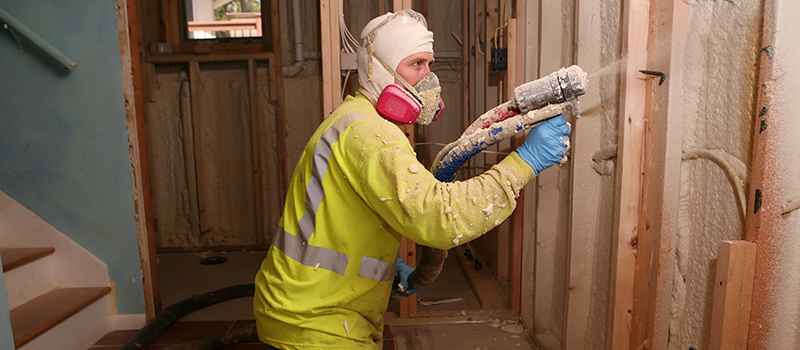
Spray foam insulation delivers significant energy savings for properties in New Lenox, IL by minimizing air leakage and enhancing thermal performance, especially during extreme Midwestern seasonal shifts. The high-performance seal created by spray foam reduces HVAC system workload, leading to lower utility costs and better year-round indoor comfort.
In regions like New Lenox where winters drop below freezing and summers bring intense humidity, conventional insulation methods often underperform. Spray foam’s superior R-value and air-sealing capabilities make it especially effective in such climates. This guide outlines specific benefits, critical data, and technical insights based on field experience to help property owners make informed decisions. The information is grounded in tested outcomes and practical application in northern Illinois homes and buildings.
How Spray Foam Insulation Cuts Energy Costs ImmediatelySpray foam forms a continuous thermal and air barrier, unlike batt or blown-in insulation that leaves gaps. Applied directly to roof decks, wall cavities, and crawlspaces, it stops conditioned air from escaping and prevents outdoor air infiltration. This dramatically reduces the amount of energy needed to heat or cool a property.
In South Chicago Insulation’s field testing across multiple retrofit and new construction projects, properly installed spray foam cut heating and cooling costs by up to 40% in older homes and 25% in new builds. These savings are not theoretical — they result from the measurable reduction in air changes per hour (ACH), especially when spray foam is paired with professional air sealing strategies.
Spray Foam Insulation Performance ComparisonInsulation Type
R-Value per Inch
Air Seal Capable
Moisture Barrier
Mold Resistant
Lifespan
Initial Cost
Open-Cell Spray Foam
R-3.6 – R-3.9
Yes
Partial
Yes
50+ years
Moderate
Closed-Cell Spray Foam
R-6 – R-7
Yes
Full
Yes
50+ years
Higher
Fiberglass Batts
R-2.9 – R-3.8
No
No
No
15-20 years
Low
Cellulose (Blown-In)
R-3.2 – R-3.8
No
Partial
Limited
20-30 years
Moderate
Source: U.S. Department of Energy; SPFA Technical Guidelines, 2024
Technical Specs of Spray Foam Used in New Lenox Installations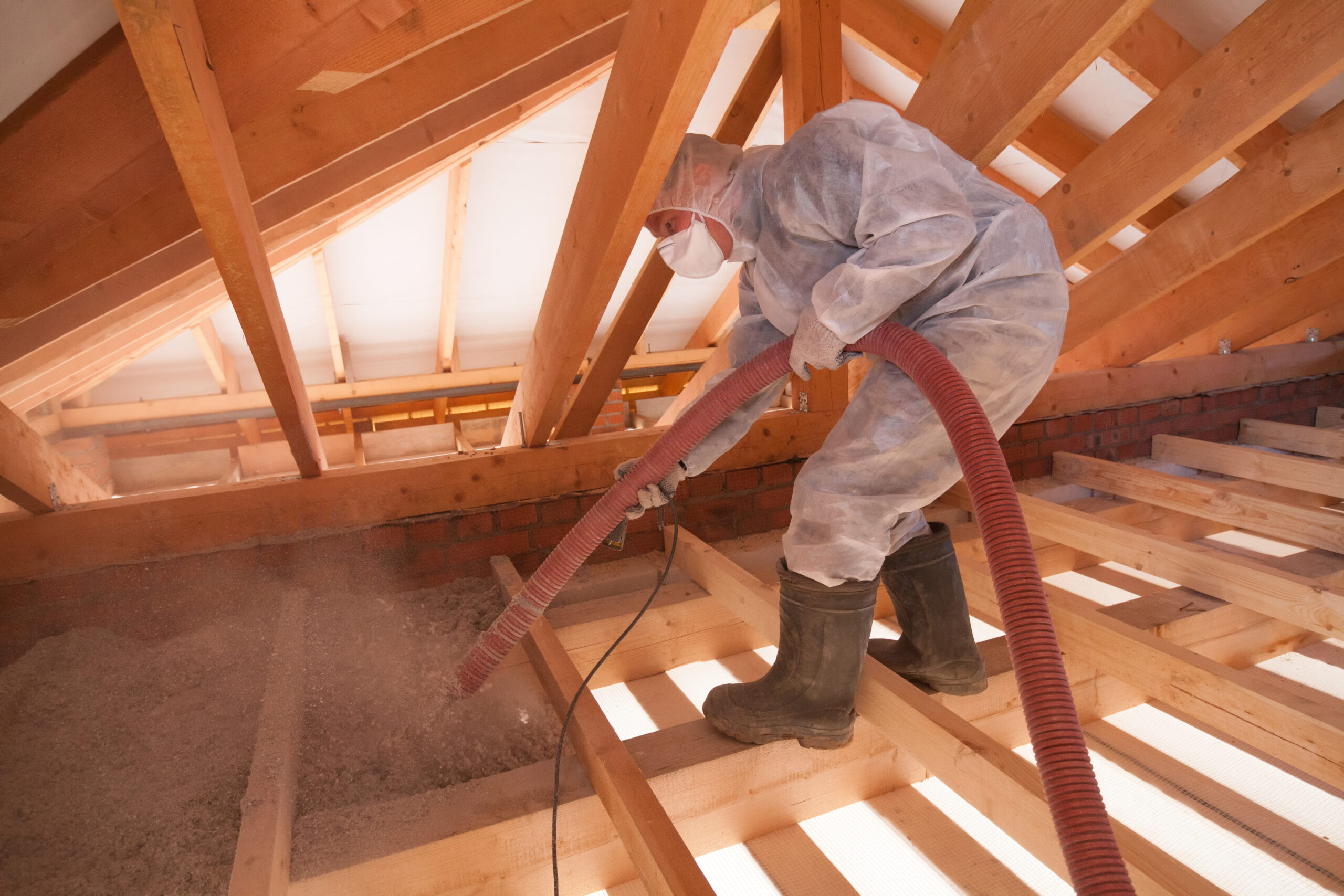
Specification
Open-Cell Foam
Closed-Cell Foam
Expansion Rate
100:1
30:1
Vapor Permeability
10 perms/inch
1 perm/inch
Compressive Strength
~1 psi
~25 psi
Water Absorption
High
Low
Application Thickness (Avg.)
3.5–5.5 inches in walls
2 inches in walls
Application Temperature Range
60°F – 120°F ambient
60°F – 120°F ambient
Bonus TipUse closed-cell foam in rim joists and crawlspaces where vapor drive is high. This strengthens the structure and eliminates condensation-prone areas that lead to rot and air leaks.
Climate-Specific Guidance for New Lenox ILNew Lenox’s mixed-humid climate poses unique insulation challenges. Moisture control and thermal resistance must work together to preserve building performance. Spray foam addresses both by combining high R-values with vapor resistance.
- Winter (average low: 16°F): Spray foam helps reduce heat loss through framing gaps and attic bypasses. Homes with standard fiberglass lose up to 30% more energy through convection.
- Summer (average high: 85°F, 70%+ humidity): Open-cell foam provides thermal resistance while allowing controlled drying, making it ideal for wall cavities and attics.
Choosing spray foam insulation involves more than product selection. Several factors impact effectiveness and long-term value:
- Building Type: Older homes may need additional prep or air sealing before foam application.
- Moisture Concerns: Crawlspaces and basements benefit more from closed-cell foam due to its vapor barrier qualities.
- Budget vs ROI: Spray foam has a higher upfront cost but pays off in 3–5 years through utility savings.
- Application Access: Retrofit projects with limited access areas require experienced crews for full coverage.
- Compliance: Ensure the installer adheres to Illinois Energy Code and uses ICC-ES approved materials.
Ask for a blower door test post-installation. This confirms the reduction in air changes and validates the energy savings.
Services That Support Efficient Insulation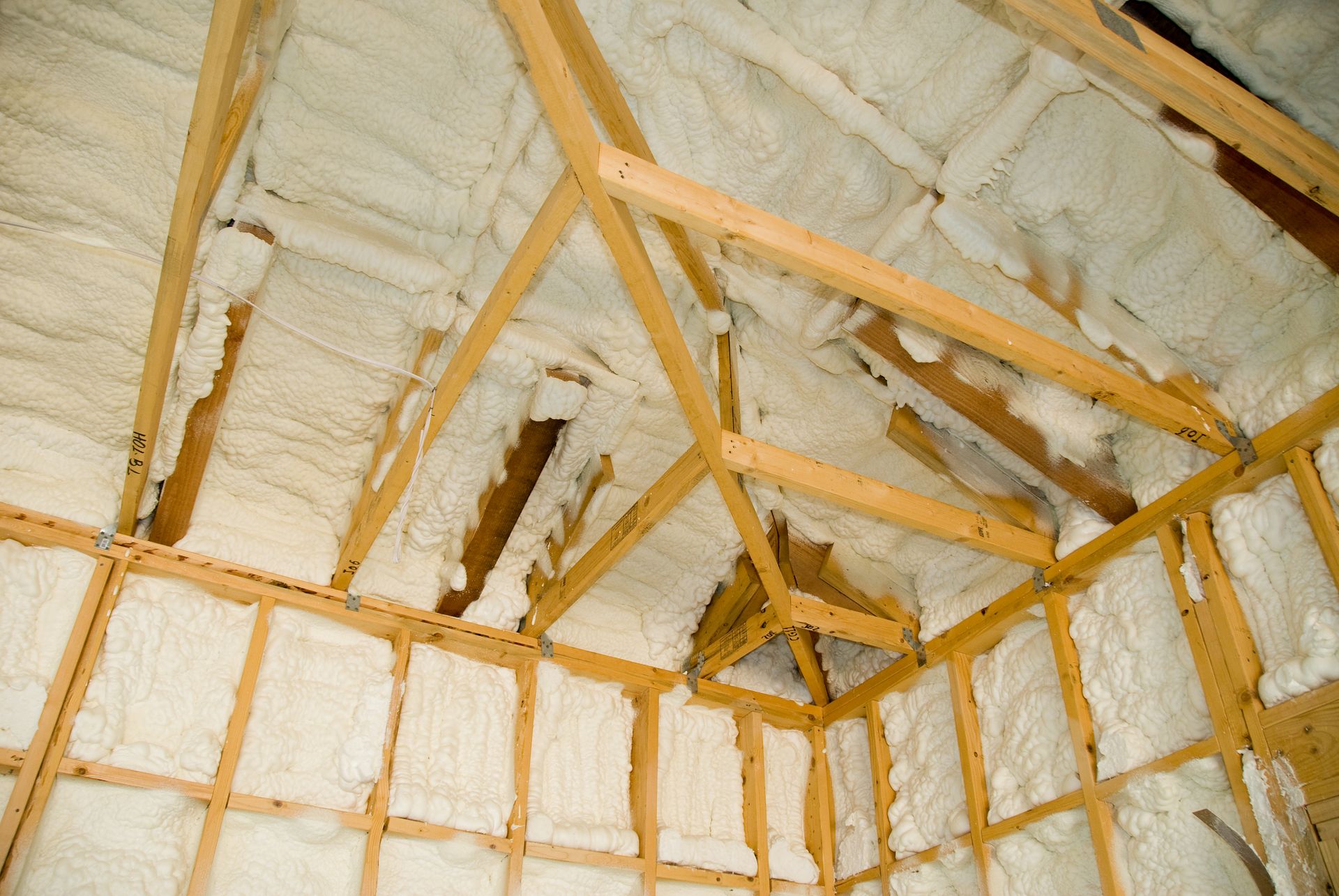
- Residential Insulation: Tailored for new and existing homes to improve comfort and cut utility costs.
- Commercial Insulation: Energy-efficient solutions for warehouses, offices, and retail buildings.
- Retrofit Insulation: Upgrades outdated or underperforming insulation in older structures.
- Spray Foam Roofing: Closed-cell foam applied to roofs for insulation and waterproofing.
- Roof Coatings: Extend roof life and reflect solar heat with elastomeric or silicone coatings.
- Attic Insulation: Seal and insulate attics to reduce heat transfer and prevent moisture issues.
- Crawlspace Encapsulation: Moisture control, vapor barriers, and insulation in crawlspaces.
- Home Performance Evaluation: Whole-house assessments including infrared scanning and airflow diagnostics.
- Sound Attenuation Insulation: Controls noise transmission in walls, floors, and ceilings.
- Pole Barn Insulation: Thermal control for metal structures with high-condensation risks.
- Intumescent Coatings: Code-compliant fire protection for exposed spray foam.
- Blown-In Insulation: Loose-fill cellulose or fiberglass for attics and wall cavities.
Is spray foam safe to use indoors?
Yes. Once cured, both open- and closed-cell foam are inert. Proper ventilation during application ensures safety.
How long does it take to install?
Most residential projects are completed in 1–2 days, including prep and cleanup.
Can spray foam be added to existing walls?
Yes, using injection methods, though access and wall type affect feasibility and results.
What’s the best foam type for New Lenox homes?
Use closed-cell in crawlspaces and rim joists; open-cell in attics and walls for balanced performance.
FAQ SectionHow should I maintain spray foam insulation over time?
No regular maintenance is required. Periodic HVAC and moisture checks ensure optimal performance.
Can rodents damage spray foam?
While not rodent-proof, spray foam deters nesting better than fiberglass due to its density and lack of air gaps.
Will I need additional ventilation after installing spray foam?
Possibly. Homes sealed with spray foam benefit from mechanical ventilation systems like ERVs to ensure fresh air.
How does spray foam affect indoor air quality?
Properly installed and cured spray foam improves air quality by reducing dust, allergens, and pollutants infiltration.
Can I install spray foam during winter?
Yes, with proper substrate prep and equipment calibration, spray foam performs well in cold weather applications.
Ready to Achieve Lower Energy Bills and Higher Comfort?Apply these insights now: Schedule your energy assessment and discover how optimized insulation can transform your property.
Contact South Chicago Insulation
📞 (779) 803-8025
📧 ask@southchicagoinsulation.com
Author and Reviewer:
Author: Bob Gasca attended his first spray foam training in 2007 and has continued to pursue yearly trainings to stay current with the latest technology and practices. He is a certified Spray Foam Master Installer through the SPFA and a member of the SPFA. Additionally, Bob serves as a Spray Foam Worldwide Ambassador, sharing information with spray foam professionals globally. Recently, he returned from a building science training, where he expanded his knowledge on how weather conditions affect home performance, helping him better diagnose and improve home health for families. Bob specializes in finding solutions to complex moisture and air infiltration issues.
Reviewer: Noah Gonzalez reviewed this article and drew on 9 years of experience to offer suggestions that make the guidance more directly useful for insulation contractors.