
Marmoset Finger Monkey: Size, Behavior, Habitat, Diet, and Care
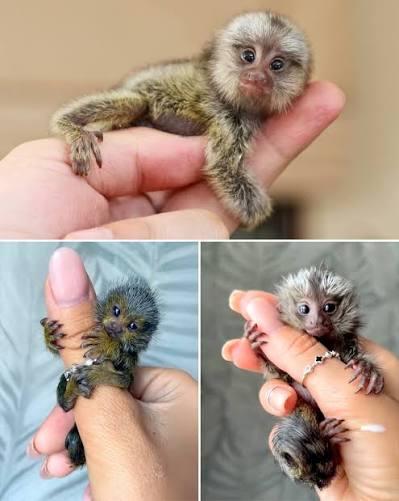
The marmoset finger monkey is a popular nickname for very small marmosets, especially pygmy marmosets, which are among the smallest primates in the world. These tiny New World monkeys are recognized for their small bodies, expressive faces, quick movements, and active personalities. Despite their size, they have complex social, dietary, behavioral, and environmental needs.
A marmoset finger monkey is not a separate scientific species. The phrase is commonly used to describe miniature marmosets because of their tiny size. Pygmy marmosets are particularly associated with this nickname, although several marmoset species may be marketed under similar terms. Understanding the difference between common names and scientific classifications is important when researching these animals.
What Are Marmosets?
Marmosets belong to the family Callitrichidae and are native to South America. Depending on the species, they can inhabit tropical forests, river forests, woodland, and other forest environments.
Pygmy marmosets are especially notable for their small size. They have compact bodies, relatively long tails, claw-like nails that help them grip branches, and specialized teeth suited to their natural feeding habits.
Natural Habitat
Marmosets naturally live in forest environments where trees provide food, shelter, climbing opportunities, and safe resting locations. Their surroundings can include dense vegetation, branches, vines, and tree trunks.
Different species occupy different regions and habitats. Their natural environments provide opportunities for climbing, feeding, social interaction, and movement through the forest canopy.
Size and Appearance
Pygmy marmosets are among the smallest living primates. Their tiny bodies and long tails contribute to their distinctive appearance.
Other marmoset species can be noticeably larger. Fur colors may include combinations of brown, gray, gold, white, and other natural shades. Facial markings and ear tufts can also vary depending on the species.
Diet and Feeding
Marmosets have specialized feeding habits. Many species consume tree sap and gum, along with fruits, insects, flowers, nectar, and other natural foods.
Their teeth are adapted for obtaining plant exudates. They can create small openings in tree bark and use these areas to access nutritious gums and sap.
Captive nutrition requires careful planning. A diet consisting mainly of fruit is not sufficient for maintaining proper nutrition. Food choices should be appropriate for the particular species, age, health, and activity level, with guidance from a qualified exotic-animal veterinarian.
Social Behavior
Marmosets are highly social primates that commonly live in family groups. They communicate through a combination of vocalizations, facial expressions, scent marking, body language, and physical interaction.
Grooming, playing, feeding, and resting together are important parts of their social lives. Their social requirements should therefore be considered carefully before anyone considers keeping one in captivity.
Activity and Intelligence
Marmosets are active, alert, and naturally curious. They spend much of their time climbing, investigating their surroundings, searching for food, and communicating with other group members.
Their intelligence creates a need for regular mental stimulation. Enrichment can include safe climbing structures, food-search activities, appropriate objects to investigate, and changes to their environment.
Housing Requirements
A marmoset needs a secure environment with sufficient space for climbing, movement, exploration, and resting. Suitable housing can include branches, platforms, sheltered areas, and safe enrichment features.
Because these monkeys are small and agile, enclosure security is especially important. Doors, screens, locks, and openings should be inspected regularly to reduce escape risks.
Temperature, humidity, ventilation, cleanliness, and lighting should also be managed according to the animal's specific requirements.
Veterinary Care
Specialized veterinary care is an important consideration when caring for marmosets. Before acquiring one where legally permitted, prospective owners should locate a veterinarian with appropriate experience treating primates or exotic mammals.
Health monitoring can include weight, appetite, dental condition, mobility, coat condition, behavior, and general physical health. Owners should also be prepared for the possibility of specialized medical treatment and associated costs.
Legal Considerations
Regulations concerning private ownership of marmosets vary by location. Some areas prohibit private primate ownership, while others may require permits, licenses, inspections, registration, or specialized enclosure standards.
Anyone considering a marmoset should verify current requirements with the appropriate wildlife authorities and local government offices before making arrangements to acquire one.
Responsible Care
Marmosets are not domesticated animals, even when they are captive-bred and accustomed to human contact. They retain natural behaviors and specialized needs that must be accommodated.
Responsible care involves appropriate nutrition, secure housing, enrichment, veterinary support, social considerations, and compliance with applicable laws. Their small size should never be mistaken for simple care requirements.
Conservation
Marmosets are part of the diverse primate communities of South America. Habitat destruction, fragmentation, and other human pressures can affect wild populations of various species.
Supporting legitimate conservation efforts and avoiding wild-caught animals can help reduce pressure on natural populations. Responsible decisions should consider both individual animal welfare and the conservation of wild species.
Final Thoughts
The marmoset finger monkey is a popular term associated with some of the world's smallest primates, particularly pygmy marmosets. Their tiny size and distinctive appearance make them fascinating animals, but their specialized diet, social behavior, intelligence, and environmental requirements make them very different from conventional pets.
Anyone interested in these primates should learn about the particular species involved, verify local laws, seek guidance from qualified veterinary professionals, and carefully consider whether an appropriate long-term environment can be provided.

Hotel Econômico São José do Rio Preto-SP Centro Cidade: Encontre Hospe...
Solvarex Review: What Makes This Formula Stand Out?
What Is Solvarex? Solvarex is a dietary supplement designed to support general metabolic...