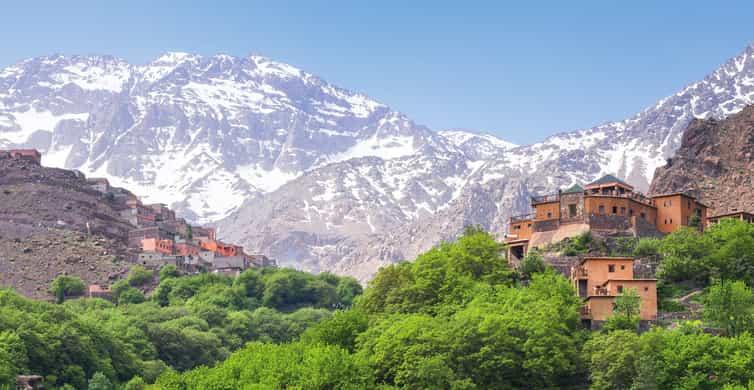

Map of the Atlas Mountains in Africa: Natural Wonders and Scenic Landscapes
The Atlas Mountains are among the most spectacular natural landscapes in North Africa. Stretching across Morocco, Algeria, and Tunisia.
The Atlas Mountains are among the most spectacular natural landscapes in North Africa. Stretching across Morocco, Algeria, and Tunisia, this extensive mountain system is known for dramatic peaks, deep valleys, rocky plateaus, green valleys, waterfalls, and traditional Berber villages.
For travelers, hikers, photographers, and nature enthusiasts, understanding the map of the atlas mountains in africa provides a useful way to explore the different ranges, landscapes, and destinations found throughout this remarkable region.
Where Are the Atlas Mountains Located?The Atlas Mountains extend across the northwestern part of Africa, with the most famous and frequently visited sections located in Morocco. The mountain system runs generally from southwest toward northeast and forms an important geographical division between the Mediterranean and Atlantic-influenced northern regions and the Sahara Desert farther south.
The Moroccan Atlas is commonly divided into three major ranges: the High Atlas, Middle Atlas, and Anti-Atlas. Algeria contains the Tell Atlas and Saharan Atlas ranges, while Tunisia is home to smaller extensions of the Atlas system. Each area has its own combination of geological formations, vegetation, climate, and cultural landscapes.
Studying a map of the atlas mountains in africa makes it easier to understand how these ranges connect and how dramatically the terrain changes from one region to another.
The High Atlas: Home of Dramatic PeaksThe High Atlas is the most famous section of the mountain system and is particularly popular with hikers and adventure travelers. It contains Mount Toubkal, the highest mountain in North Africa, rising to approximately 4,167 meters above sea level.
The High Atlas offers spectacular scenery, including sharp mountain ridges, narrow valleys, alpine-style landscapes, and traditional villages built into mountain slopes. Popular destinations include the Toubkal National Park, Imlil Valley, Azzaden Valley, and several routes leading toward high mountain passes.
During spring and summer, some valleys become surprisingly green, while the higher elevations remain rugged and rocky. Winter brings snow to many of the highest peaks, creating a completely different landscape.
The Middle Atlas: Forests, Lakes, and WildlifeThe Middle Atlas presents a softer and greener side of the mountain system. Unlike the rugged appearance of many High Atlas areas, this region contains extensive cedar forests, rolling mountain terrain, natural springs, and freshwater lakes.
The Middle Atlas is particularly valuable for nature lovers because of its diverse ecosystems. Barbary macaques can be found in some forested areas, while numerous bird species inhabit the mountains and surrounding valleys.
Towns and natural attractions in this region provide opportunities for hiking, wildlife observation, photography, and peaceful outdoor experiences. The landscape also demonstrates how altitude and rainfall influence vegetation across North Africa.
The Anti-Atlas: Ancient Landscapes and Unique GeologySouth of the High Atlas lies the Anti-Atlas, an ancient mountain region characterized by dry valleys, rocky formations, colorful landscapes, and distinctive geological features. The area gradually transitions toward the Sahara, creating an impressive contrast between mountain terrain and desert environments.
The Anti-Atlas is especially interesting for travelers who enjoy landscapes that appear almost otherworldly. Massive rock formations, barren hills, palm-filled valleys, and small traditional settlements create memorable scenery.
The region around Tafraoute is famous for its granite formations and colorful rock landscapes. Farther east, the mountains connect with areas leading toward the desert, demonstrating the remarkable geographical diversity of Morocco.
Rivers, Valleys, and WaterfallsMountains are not only defined by their peaks. Valleys, rivers, streams, and waterfalls are equally important parts of the Atlas landscape. Snowmelt and seasonal rainfall feed waterways that travel through mountain valleys and provide essential water for local communities and agriculture.
The Ourika Valley near Marrakech is one of the better-known mountain valleys. It combines green landscapes, flowing water, steep mountain slopes, and traditional villages. Ouzoud Falls, located in the Middle Atlas region, is another spectacular natural attraction.
A detailed map of the Atlas Mountains in Africa can help travelers identify how these valleys and waterways relate to surrounding peaks and settlements.
Scenic Landscapes for Hiking and PhotographyThe Atlas Mountains offer countless opportunities for outdoor exploration. Hiking trails range from relatively easy valley walks to challenging multi-day mountain expeditions. Along the way, visitors can encounter terraced farms, walnut trees, rivers, rocky cliffs, high passes, and panoramic viewpoints.
Photography is another major attraction. Sunrise and sunset can transform the appearance of the mountains, producing dramatic contrasts between illuminated peaks and deep valley shadows. In the High Atlas, snow-covered summits create striking winter scenes, while the Anti-Atlas offers warm colors and unusual rock formations.
Travelers interested in photography should consider visiting different elevations because the scenery can change dramatically within a relatively short distance.
Traditional Villages and Mountain CultureThe natural beauty of the Atlas Mountains is closely connected to the communities that have lived there for generations. Amazigh, also known as Berber, communities have developed distinctive architectural traditions, agricultural practices, crafts, music, and cultural customs suited to mountain environments.
Many villages feature stone or earthen buildings that blend naturally with the surrounding terrain. Terraced agriculture is common in some valleys, allowing communities to cultivate crops despite steep slopes.
Visiting mountain villages provides travelers with an opportunity to experience a side of Morocco that differs from major cities and coastal destinations. Respectful cultural tourism can also support local guides, guesthouses, artisans, and small businesses.
Climate and Changing SceneryThe Atlas Mountains experience considerable climatic variation because of their enormous differences in elevation. Lower valleys can be warm and dry, while higher elevations may experience freezing temperatures and heavy snowfall during winter.
Rainfall also varies considerably between regions. The northern and higher mountain areas generally receive more precipitation than the dry landscapes approaching the Sahara. This variation creates diverse habitats ranging from forests and green valleys to semi-desert environments.
The map of the Atlas Mountains in Africa therefore represents more than geographical boundaries. It also helps explain changes in climate, vegetation, wildlife, and human settlement throughout the mountain system.
Best Ways to Explore the Atlas MountainsTravelers can explore the Atlas Mountains through guided trekking, day hikes, village walks, scenic drives, and multi-day adventures. The best option depends on fitness level, available time, season, and personal interests.
For first-time visitors, guided hikes can be especially useful because local guides understand mountain routes, weather conditions, village customs, and changing trail conditions. Longer treks may involve staying in mountain refuges or locally operated guesthouses.
Before traveling, visitors should check seasonal weather conditions and prepare suitable footwear, clothing, water, navigation equipment, and other hiking essentials.
Planning a Scenic Mountain AdventureUsing the map of the Atlas Mountains in Africa during trip planning allows travelers to compare different regions and select destinations that match their interests. Someone seeking high-altitude trekking may prefer the High Atlas, while travelers interested in forests and lakes might enjoy the Middle Atlas. Those fascinated by geological formations and desert scenery may find the Anti-Atlas especially rewarding.
Planning also helps travelers understand distances between destinations and organize transportation more efficiently. Since mountain roads can be slower than major highways, allowing additional travel time is important.
Discovering the Atlas Mountains with mttoubkaltrekFor travelers looking to experience Morocco's mountain scenery, mttoubkaltrek can be part of the journey toward discovering the Atlas Mountains. From scenic valleys and traditional villages to challenging trails and spectacular high-altitude viewpoints, exploring these landscapes with knowledgeable local support can make an adventure more enjoyable and organized.
A focus on authentic experiences, nature, and responsible travel can help visitors appreciate both the natural environment and the communities that call the mountains home. More visit: https://www.mttoubkaltrek.com/
ConclusionThe Atlas Mountains represent one of Africa's most diverse and visually impressive mountain environments. From the towering peaks of the High Atlas to the forests of the Middle Atlas and the ancient rocky landscapes of the Anti-Atlas, every region offers something different. Understanding the geography through the map of the Atlas Mountains in africa makes it easier to appreciate the connections between mountains, valleys, rivers, forests, villages, and desert landscapes.
Whether the goal is hiking, photography, cultural exploration, wildlife watching, or simply enjoying breathtaking scenery, the Atlas Mountains provide an unforgettable destination. With thoughtful planning and respect for local communities and natural environments, travelers can discover the remarkable beauty of this North African mountain system.




What Is Indian Rummy and How Does a Rummy Game Work?
Indian Rummy is a 13 card game where you arrange your hand into sequences and sets before...



Off-Grid Rooftop Solar in Uttarakhand – Reliable Energy Solutions by G...
