Made in PRC vs Made in China What Buyers Should Know
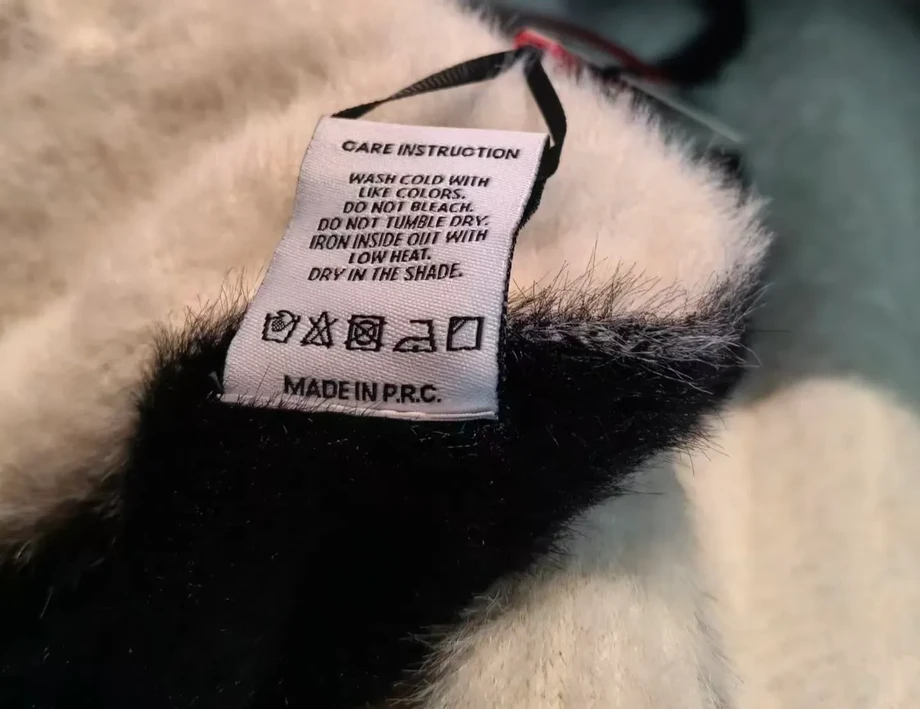
If you source products internationally, you have likely come across the label made in PRC. While some buyers immediately associate it with manufacturing in China, the term often creates confusion, hesitation, or even mistrust. In reality, understanding what made in PRC truly means can help businesses make better sourcing decisions and avoid costly misconceptions.
This article explains the real meaning behind the label, how it differs from common assumptions, and why clarity matters for importers, wholesalers, and eCommerce brands operating in global markets.
What Does Made in PRC Actually Mean?The term made in PRC stands for People’s Republic of China. It is a formal designation used by manufacturers and exporters to indicate the country of origin. From a legal and trade standpoint, made in PRC and made in China refer to the same country.
However, the choice of wording is not accidental. Many suppliers use made in PRC to align with international documentation standards, customs declarations, and export labeling requirements. In some cases, it is also used to sound more neutral or formal in markets where “Made in China” may carry outdated stereotypes.
What matters most is not the label itself, but the manufacturing standards, supplier credibility, and quality control behind the product.
Why Made in PRC Is Common in Global TradeGlobal supply chains have evolved significantly over the past two decades. China is no longer just a source of low-cost goods; it is now a hub for advanced manufacturing, electronics, machinery, textiles, and consumer products.
The label made in PRC is widely used in:
- Export documentation and invoices
- Customs and compliance paperwork
- OEM and private-label manufacturing
- B2B trade between suppliers and international buyers
For many factories, especially those serving international clients, made in PRC is the preferred wording because it aligns with official country naming conventions used by governments and trade organizations.
Made in PRC vs Made in China: Is There a Real Difference?From a legal perspective, there is no difference. Both labels indicate that the product was manufactured in the People’s Republic of China. The distinction is primarily linguistic and strategic rather than regulatory.
That said, buyer perception plays a role. Some brands prefer made in PRC because it appears more formal or less emotionally charged in certain markets. Others use it to maintain consistency across multilingual packaging and international compliance documents.
Understanding this distinction helps buyers focus on what truly matters: factory audits, material quality, certifications, and production capabilities.
Common Myths Around Made in PRC ProductsOne of the biggest mistakes buyers make is assuming that made in PRC automatically means low quality. This belief is outdated and often incorrect.
China produces goods across every quality tier, from budget items to premium, high-precision products used by global brands. The final quality depends on:
- Supplier selection
- Quality control processes
- Materials and specifications
- Production oversight
A well-managed supplier producing made in PRC goods can outperform poorly managed factories anywhere else in the world.
How Buyers Can Source Made in PRC Products SafelySourcing successfully from China requires due diligence. Instead of focusing on the label alone, buyers should evaluate suppliers based on transparency, communication, and verification.
Key steps include:
- Verifying business licenses and factory credentials
- Requesting samples before bulk orders
- Conducting third-party inspections
- Clarifying quality standards in contracts
If you want a detailed breakdown of how labeling, compliance, and sourcing practices differ, this guide on made in prc explains the topic clearly for international buyers and sourcing professionals.
The Role of Transparency in Modern SourcingToday’s buyers are more informed than ever. Transparency in sourcing is no longer optional; it is expected. Clear communication about manufacturing origin, materials, and processes builds trust with both business partners and end customers.
Using made in PRC is not about hiding origin. When paired with honest product descriptions and proper quality assurance, it supports compliance and professionalism in global trade.
Brands that succeed are those that educate their customers instead of avoiding the conversation.
Why Understanding Made in PRC Helps Your Business GrowFor importers and eCommerce sellers, understanding what made in PRC truly represents allows for smarter negotiations, better supplier relationships, and fewer misunderstandings during customs clearance or resale.
Rather than rejecting products based on assumptions, informed buyers focus on data, documentation, and supplier performance. This mindset leads to stronger supply chains and more consistent product quality.
In a globalized economy, knowledge is a competitive advantage.
Final ThoughtsThe label made in PRC is not something buyers should fear or misunderstand. It is a formal, widely accepted designation that reflects modern manufacturing realities. When buyers look beyond the wording and evaluate suppliers based on quality, compliance, and transparency, sourcing from China becomes a strategic opportunity rather than a risk.
Understanding the meaning behind made in PRC empowers businesses to make informed decisions, protect their brand reputation, and compete effectively in international markets.