
Library Software Solutions: Choosing the Right Tool
With many options available, choosing the right library software can be challenging. This article will guide you through the key factors to consider when selecting the best library software for your institution.
Library Software Solutions: Choosing the Right Tool for Your Library
Library Software Solutions: Choosing the Right Tool for Your Library
Libraries have evolved beyond just storing books. In the digital age, efficient library operations require powerful software solutions that can automate cataloging, circulation, tracking, and reporting. With many options available, choosing the right library software can be challenging. This article will guide you through the key factors to consider when selecting the best library software for your institution.
What Is Library Software?Library barcode system software, also called a Library Management System (LMS), is a digital tool that helps manage the day-to-day operations of a library. It allows librarians to catalog books, manage member records, track borrowed and returned items, and generate reports. Some software solutions also include features like barcode integration, OPAC (Online Public Access Catalog), and digital resource management.
Why Choosing the Right Library Software MattersThe right software simplifies complex processes, saves time, and improves user experience. It also enhances the accuracy of records and ensures better inventory control. For schools, colleges, and public libraries, using the right library system can make a significant difference in performance, staff efficiency, and reader satisfaction.
Types of Library SoftwareThere are different types of library software based on features, scale, and deployment:
- Cloud-Based Library Software: Accessible from any location, suitable for institutions with multiple branches.
- On-Premises Software: Installed locally on computers, good for libraries with IT support teams.
- Open-Source Software: Free to use and customizable, such as Koha and Evergreen.
- Commercial Library Software: Paid tools with full support and advanced features like Libsys, SLIM21, and Destiny.
Each type has its benefits, depending on the size, budget, and goals of your library.
Key Features to Look ForWhen choosing a library software solution, consider the following features:
- Catalog Management: Allows entry and classification of all resources.
- Circulation Control: Tracks check-in, checkout, due dates, and renewals.
- Barcode Integration: Enables quick scanning for transactions.
- User Management: Stores member details and issue history.
- OPAC Access: Allows users to search for books online.
- Reporting Tools: Generates reports for overdue items, fines, inventory, and more.
- Mobile Access: Important for modern libraries and users on the go.
- Technical Support and Training: Ensure vendor support and easy onboarding.
- Security and Backup: Data protection and regular backups are essential.
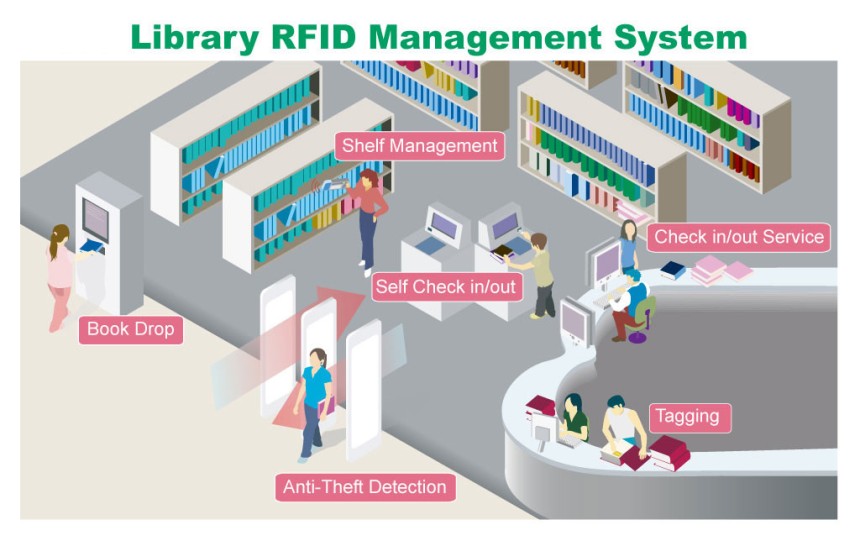
- Integration with RFID or Digital Resources: Future-ready libraries often integrate advanced technologies.
- Library Size and Type: School libraries may need basic tools, while universities or public libraries might require advanced systems.
- Budget: Open-source tools reduce cost but may need technical expertise. Paid options often come with support.
- Scalability: Choose software that can grow with your library's needs.
- Ease of Use: Simple interfaces and intuitive design make it easier for staff and users.
- Customization: Some libraries may require features tailored to specific operations or regions.
Some of the widely used library management systems include:
- Koha: Open-source, ideal for public and academic libraries.
- Libsys: Feature-rich commercial software with strong support.
- SLIM21: Used in many Indian institutions, suitable for schools and colleges.
- Destiny Library Manager: Popular in schools for its ease of use and cloud access.
- Evergreen: Open-source and scalable, suitable for large networks.
Research each software, read reviews, and consider taking demos before finalizing your choice.
Implementation Tips- Start with a clear goal and project plan.
- Train your library staff thoroughly.
- Migrate existing records carefully.
- Test the system before going live.
- Collect feedback from users for continuous improvement.
Conclusion
Choosing the right library software is essential for efficient library operations, better service delivery, and future readiness. Evaluate your needs, explore features, and compare different solutions before making a decision. With the right tool in place, your library can become a modern, user-friendly space that supports learning, research, and community engagement.


What a Grain Is, and Why 50, 55, 62, 130 and 168 Keep Showing Up on th...
A grain is 1/7000 of a pound. Choosing a bullet weight is mostly a matter of what your bar...


Furadeira de Impacto: Como Escolher, Utilizar e Aproveitar Seus Benefí...
Furadeira de Impacto: Como Escolher, Utilizar e Aproveitar Seus Benefícios