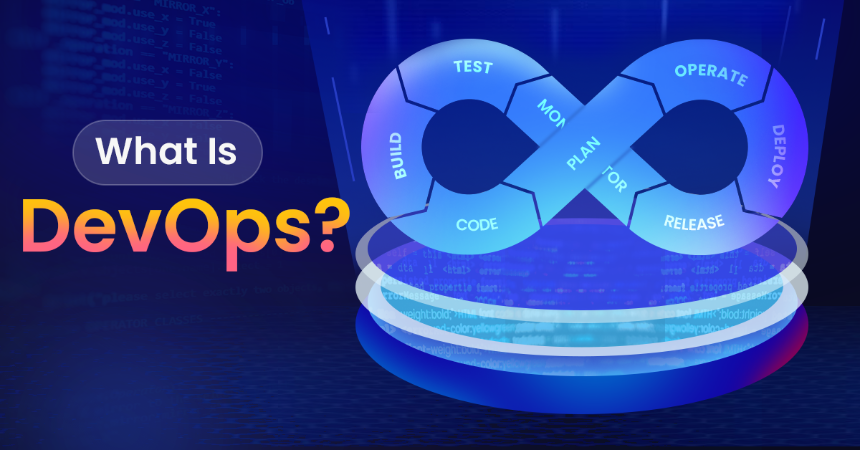

The DevOps lifecycle follows a structured set of stages that bring development and operations teams together to streamline software development, improve collaboration, and deliver reliable software faster.
For startups, adopting the DevOps lifecycle helps establish efficient workflows, minimize deployment risks, and support business growth. The key phases include:
1. Plan
The planning phase focuses on defining project goals, technical requirements, and development priorities. Teams identify the features to be developed, organize tasks based on business needs, and create a roadmap to guide the development process.
2. Code
During this stage, developers write and review code based on the defined project requirements. They follow coding standards, collaborate with other team members, and use version control systems to maintain code quality and track changes.
3. Build
In the build phase, the source code is compiled, tested, and converted into deployable software packages. Continuous Integration (CI) practices help combine code contributions from multiple developers while running automated checks to identify errors early.
4. Test
Testing ensures that the application functions as expected and meets the required quality standards. Teams perform different types of testing, including unit, integration, system, and performance testing. Automated testing tools help detect defects early and reduce the chances of issues reaching production.
5. Deploy
Once the software passes testing, it is released into staging or production environments. DevOps teams use automation, Infrastructure as Code (IaC), and containerization technologies to make deployments faster, more consistent, and less error-prone.
6. Operate
After deployment, the application enters the operational phase. Teams manage infrastructure, maintain application availability, and ensure stable performance. They also use monitoring tools, log analysis, and performance metrics to identify and resolve operational issues.
7. Monitor
Continuous monitoring helps teams understand how applications perform in real-world environments. They track application health, resource utilization, response times, and other key metrics. Monitoring also helps identify performance bottlenecks, detect unusual activity, and maintain compliance with Service Level Agreements (SLAs).
8. Iterate
The DevOps lifecycle follows a continuous improvement approach. Teams analyze monitoring reports, collect user feedback, and review previous development cycles to identify opportunities for improvement. These insights help refine workflows, introduce new features, and adapt applications to changing customer expectations.
By implementing the DevOps services, startups can accelerate software delivery, maintain application quality, and improve collaboration between development and operations teams. It also creates a foundation for continuous improvement, helping businesses respond to market changes and deliver value to customers more efficiently.