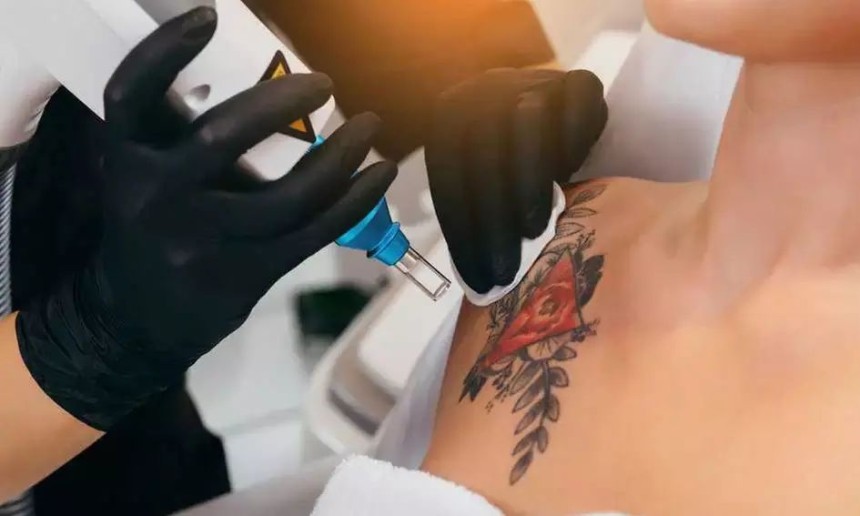

Laser Tattoo Removal Safety: Risks, Side Effects, and How to Minimize Them
Erase the past with confidence through precise Laser Tattoo Removal treatments.
Introduction
While Laser Tattoo Removal is the safest and most effective method for erasing unwanted tattoos, understanding potential risks and side effects is essential for every patient. Being aware of what to expect, and how to minimize complications, ensures a safer treatment journey and better outcomes.
This comprehensive guide explores the safety aspects of laser tattoo removal, common side effects, risk factors, preventive measures, and expert tips for achieving optimal results.
Table of Content:- Why Safety Matters in Laser Tattoo Removal
- How Laser Tattoo Removal Works
- Common Side Effects Explained
- Redness and Swelling
- Blistering and Scabbing
- Hyperpigmentation and Hypopigmentation
- Minor Bruising
- Rare Complications
- Scarring Risks and Prevention
- Infection Risks and Prevention
- Allergic Reactions to Tattoo Ink
- Factors Increasing Risk
- Skin Type Considerations
- Tattoo Age and Ink Depth
- Tattoo Colors and Risk Variations
- Proper Laser Settings and Energy Levels
- Importance of Certified Specialists
- Pre-Treatment Safety Measures
- Post-Treatment Safety Measures
- Avoiding Sun Exposure
- Avoiding Harsh Skin Products
- Proper Wound Care
- Session Timing and Spacing
- Pain Management and Comfort
- Monitoring Healing and Progress
- When to Contact a Specialist
- Myths About Laser Tattoo Removal Safety
- Advanced Safety Techniques
- FAQs About Safety in Laser Tattoo Removal
- Call to Action — Royal Clinic Saudia
Safety ensures:
- Minimal side effects
- Reduced risk of scarring or pigmentation changes
- Faster healing and recovery
- Maximum effectiveness of Laser Tattoo Removal
- Preservation of surrounding skin health
- Laser energy targets tattoo pigment in the dermis
- Ink particles fragment into smaller pieces
- Immune system clears fragments over multiple sessions
- Safety relies on proper wavelength, energy, and session management
- Temporary reactions are normal and indicate the skin’s healing response
- Side effects vary based on skin type, tattoo color, and session intensity
- Most resolve naturally with proper care
- Occur due to local inflammation
- Usually mild and subsides within 24–48 hours
- Cold compresses and gentle care reduce discomfort
- Blisters form as a protective response to laser energy
- Should not be popped or peeled
- Scabs naturally fall off, preventing scarring
- Temporary darkening or lightening of skin can occur
- More common in darker skin tones or with high-energy settings
- Usually resolves over weeks with proper care
- Blood vessels may respond to laser pulses
- Mild bruising is normal and fades within a week
- Cold compresses can help reduce swelling
- Persistent scarring
- Infection if post-care is ignored
- Allergic reactions to ink fragments
- Overly aggressive laser settings
- Proper laser wavelength and energy reduce tissue damage
- Avoid picking at scabs or blisters
- Follow pre- and post-care instructions strictly
- Certified specialists ensure minimal scarring
- Keep area clean and covered as needed
- Use recommended ointments
- Avoid swimming in pools or hot tubs until healed
- Watch for unusual redness, pus, or foul odor
- Rare but possible, especially with colored inks
- Symptoms include itching, swelling, and rash
- Inform your specialist of any known allergies
- Darker skin tones require adjusted laser settings
- Dense or multi-colored tattoos may increase treatment complexity
- Poor skin health or chronic conditions can slow healing
- Ignoring pre- and post-care instructions increases complications
- Fair skin: lower risk of pigmentation issues
- Medium skin: moderate caution required
- Dark skin: longer wavelengths and careful calibration reduce hyperpigmentation
- Older tattoos often respond faster due to partial fading
- Deeply injected ink may require higher energy or additional sessions
- Proper planning ensures safety
- Black: least risk, absorbs multiple wavelengths effectively
- Red: moderate risk of temporary pigmentation
- Green and yellow: more resistant, may need pico lasers, increasing session count
- Energy must match ink color, depth, and skin type
- Pulse duration short enough to fragment ink without overheating skin
- Certified specialists adjust settings for optimal safety
- Experienced professionals minimize complications
- Knowledge of skin types and tattoo pigments ensures safe, effective treatment
- Professional oversight critical for complex or multi-colored tattoos
- Hydrate skin and maintain gentle skincare
- Avoid tanning, sunburn, or harsh chemicals
- Discuss medications and allergies with your specialist
- Patch testing for sensitive skin or stubborn tattoos
- Clean and moisturize treated area
- Apply recommended ointments
- Avoid friction, sun exposure, and harsh products
- Monitor for unusual reactions
- UV rays increase risk of hyperpigmentation
- Cover treated area or use SPF 30+ sunscreen
- Avoid tanning beds until skin fully heals
- No retinoids, chemical peels, or abrasive scrubs
- Alcohol-based toners should be avoided
- Gentle, fragrance-free products recommended
- Pat dry, do not rub
- Apply thin layer of healing ointment
- Keep area lightly covered if needed
- Follow specialist’s instructions carefully
- Wait 6–8 weeks between sessions for immune clearance
- Avoid overlapping with other cosmetic procedures
- Proper spacing reduces risk of adverse effects
- Mild discomfort normal; use topical numbing if needed
- Cold compresses reduce swelling
- Avoid excessive heat or pressure on the area
- Take weekly photos to track fading
- Note any prolonged redness, swelling, or scabbing
- Consult specialist if unusual reactions occur
- Persistent redness, swelling, or pain
- Signs of infection (pus, odor, excessive warmth)
- Unexpected hyperpigmentation or scarring
- Questions about session adjustments
Myth 1: Laser tattoo removal always leaves scars.
Fact: Proper technique and aftercare minimize scarring.
Myth 2: All side effects are permanent.
Fact: Most are temporary and resolve naturally with care.
Myth 3: Only black tattoos can be safely removed.
Fact: Advanced lasers treat all colors safely with proper settings.
Advanced Safety Techniques- Pico lasers for precise, low-risk pigment targeting
- Multi-wavelength systems for color-specific removal
- Continuous monitoring and patch testing for sensitive skin
- Adjusting energy and pulse duration based on skin response
Is laser tattoo removal painful?
Pain varies; mild snapping sensation is normal and manageable with cooling or numbing creams.
Can laser removal cause permanent skin damage?
Rare with certified specialists and proper post-care; most side effects are temporary.
How can I minimize risk of hyperpigmentation?
Avoid sun exposure, use sunscreen, follow pre- and post-care, and ensure correct laser settings.
Are colored tattoos riskier than black for laser removal?
Some colors like green and yellow require advanced lasers, slightly increasing session count, but risks remain low with proper technique.
Call to ActionEnsure safe and effective Laser Tattoo Removal with expert care at Royal Clinic Saudia. Our certified specialists provide advanced laser technology, personalized treatment plans, and comprehensive safety protocols to minimize risks and maximize results. Schedule your consultation today to experience professional, safe, and predictable tattoo removal!



Folding Box Board Paper Price Trend 2026 | Q3 Forecast, Chart, Prices...