Is There a Pleasant Way To Mold and Bend Acrylic?
Discover the most effective and pleasant ways to perform acrylic molding and bending, from essential tools and techniques to best practices for smooth results.
Acrylic is a popular thermoplastic used across various industries for its versatility, clarity, and durability. Whether you are working in signage, construction, design, or custom fabrication, understanding the methods and techniques of acrylic molding and bending is essential. However, the process can often seem daunting, especially when aiming for precision and a high-quality finish. This brings us to the question: Is there a pleasant way to mold and bend acrylic? The answer lies in technique, tools, temperature control, and a deep understanding of the material’s properties.
In this article, we will explore how professionals and DIY enthusiasts alike can handle acrylic molding and bending in a smooth, efficient, and safe manner. You’ll discover the tools, methods, and best practices that not only enhance results but also make the process more enjoyable and stress-free.
Understanding Acrylic and Its Thermal Properties
Acrylic, also known as polymethyl methacrylate (PMMA), is a lightweight, transparent plastic that serves as a substitute for glass. It’s known for its high impact resistance and clarity. One of its most advantageous properties is its thermoplastic nature, which means it becomes soft and pliable when heated and returns to a solid state when cooled.
The key to pleasant acrylic molding and bending lies in respecting its thermal behavior. Acrylic begins to soften at around 160°C (320°F), and becomes fully formable between 160°C to 190°C (320°F to 374°F). Overheating or uneven heating can lead to bubbling, scorching, or distortion—making the process less than pleasant. Mastering the right heating conditions is the first step toward achieving smooth bends and curves.
Tools and Equipment for Acrylic Bending
To mold and bend acrylic comfortably, the right tools can make a huge difference. Investing in appropriate equipment helps prevent cracking, cloudiness, and surface damage.
- Strip Heaters: Ideal for making straight-line bends. They apply heat to a narrow section of the acrylic sheet.
- Ovens: Useful for evenly heating larger acrylic sheets or for complex shaping.
- Heat Guns: Handy for spot heating and small-scale bending, though they require more control to avoid overheating.
- Infrared Heaters: Provide precise and even heat distribution for clean bends.
- Angle Jigs: Help maintain consistent bend angles.
- Custom Molds: Required for creating rounded or multi-angle shapes.
- Clamps and Supports: Prevent movement during cooling and help retain the desired form.
- Gloves and Eye Protection: Acrylic can retain heat longer than expected. Always handle with insulated gloves.
- Ventilation: While acrylic is generally safe, prolonged heating in enclosed spaces can release fumes.
NOTE: Premium solutions for Acrylic Molding and Bending Dubai were provided with unmatched precision and clarity. Enhance your display aesthetics with expertly molded acrylic.
Contact Acrylic Gallery Display Products LLC ****for tailored acrylic solutions today!
Techniques for Smooth Acrylic Molding and Bending
Once the tools are in place, employing the correct technique ensures a pleasant and predictable result. Acrylic can be formed in two primary ways—line bending and form bending.
Line bending is used to create a single, straight bend in an acrylic sheet. This method is commonly used in applications like brochure holders, display stands, and cabinetry.
Steps to perform line bending:
- Mark the bending line on the protective film.
- Use a strip heater to heat the line for 30–90 seconds.
- Once pliable, place the sheet into a bending jig.
- Hold the angle until the acrylic cools and retains the shape.
Form Bending
Form bending allows more complex shapes, curves, and contours. It involves heating a larger area or the entire sheet in an oven.
Steps for form bending:
- Preheat the oven to a stable temperature (around 170°C).
- Place the acrylic on a support tray to avoid direct contact with the heating element.
- Heat evenly for 5–10 minutes until flexible.
- Transfer the sheet to a mold or jig.
- Allow it to cool in place to set the shape.
Tips for Achieving Pleasant Results
Several best practices help ensure that acrylic molding and bending is not only effective but also smooth and enjoyable.
Use Protective FilmKeep the protective film on during heating to avoid scratches or dirt buildup. Remove it only after shaping.
Heat EvenlyUneven heating leads to distortion or warping. Ensure the heating device is evenly distributed or move a heat gun in slow, sweeping motions.
Avoid MoistureMoisture trapped inside acrylic can cause Bubbles during heating. If necessary, pre-dry the sheet in a low-temperature oven for 1–2 hours.
Practice on ScrapsBefore working on a final piece, practice the bend on leftover acrylic pieces. This helps in getting the timing and heat intensity right.
Cool SlowlyRushed cooling can cause stress marks or cracking. Let the acrylic cool naturally or use controlled cooling with a fan.
Applications That Benefit From Acrylic Bending
Acrylic molding and bending are used across various sectors. The pleasantness of the process becomes especially important in applications where aesthetics and precision matter.
Signage and DisplayRetail stores, museums, and trade shows use curved acrylic to create sleek, modern signage. Smooth edges and seamless curves are critical for a professional appearance.
Furniture and Interior DesignBespoke tables, light diffusers, and partition walls often feature bent acrylic elements. The transparency and custom shaping give an elegant feel.
Industrial and Medical EquipmentAcrylic housings and guards for machines or medical tools require accurate bending for both functionality and safety.
DIY Projects and Art InstallationsArtists and hobbyists use acrylic molding and bending to craft items such as lamp covers, sculptures, and unique décor pieces.
Common Mistakes and How to Avoid Them
Avoiding certain pitfalls can turn a stressful experience into a pleasant one.
- Overheating: Causes bubbling or discoloration. Use a thermometer or follow the heating time strictly.
- Forgetting to Pre-Dry: If stored in humid conditions, acrylic sheets may absorb moisture.
- Touching While Hot: Can leave fingerprints or even warp the surface.
- Rushed Bending: Waiting just a few seconds too long after heating can make the sheet too stiff to bend smoothly.
Environmental and Safety Considerations
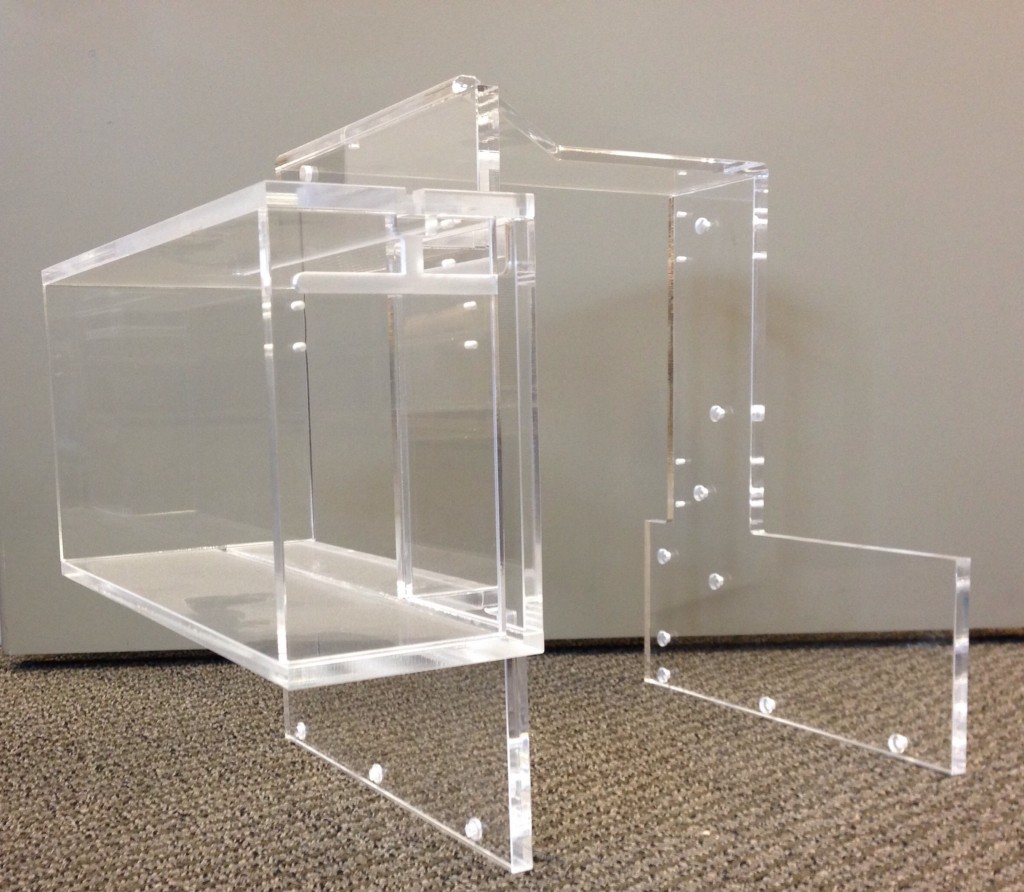
While acrylic is recyclable, it is still a petroleum-based plastic. Responsible disposal and recycling practices are important.
- Scrap Recycling: Many manufacturers accept scrap acrylic for recycling.
- Fume Control: Always perform heating in a well-ventilated area.
- Fire Safety: Acrylic is flammable; keep away from open flames and monitor heating closely.
Acrylic Molding and Bending in Dubai
Dubai has seen rapid growth in demand for customized acrylic solutions, thanks to its booming retail, hospitality, and design sectors. Several professional firms offer acrylic molding and bending in Dubai, specializing in everything from point-of-sale displays to architectural installations.
Many of these providers offer:
- CNC laser cutting and custom fabrication
- Precision line and form bending
- High-volume production and prototyping
- UV printing and finishing options
The pleasant way to achieve successful acrylic bending often includes outsourcing to experienced service providers in Dubai who use advanced machinery, climate-controlled environments, and skilled technicians.
Conclusion
So, is there a pleasant way to mold and bend acrylic? Absolutely. With the right knowledge, equipment, and approach, acrylic molding and bending can be not only effective but also highly enjoyable. From understanding the thermal properties of acrylic to mastering line and form bending, every step can be optimized for quality and ease.
Whether you're a DIY enthusiast looking to craft a home project or a business in Dubai seeking professional-grade displays, the key lies in preparation, patience, and precision. Embrace these techniques, and you'll find that working with acrylic can be a smooth and satisfying experience.
If you're in Dubai, consider leveraging local experts for acrylic molding and bending services. Their experience and tools can help bring your vision to life—pleasantly and professionally.
For more insightful articles related to this topic, feel free to visit: blogs.bangboxonline