
Is It Normal for Chimneys to Leak During Heavy Rain?
Learn why chimneys leak during heavy rain, what causes it, and how to fix it. Discover expert advice from AAA Air Duct Cleaning and the importance of installing a chimney liner for lasting protection.
Have you ever noticed water dripping into your fireplace after a heavy rainstorm? You’re not alone. Many homeowners wonder, “Is it normal for chimneys to leak during heavy rain?” The short answer is — no, it’s not normal. A leaking chimney signals that something is wrong with your chimney’s structure or sealing.
Whether it’s due to cracks, missing flashing, or a damaged liner, a chimney leak should never be ignored. In this detailed guide, we’ll explain why chimneys leak, how to stop it, and how professionals like AAA Air Duct Cleaning can help you install chimney liner and seal it properly for long-term protection.
A chimney is constantly exposed to weather — rain, wind, and snow. Over time, these elements can wear down the materials and create entry points for water. Here are the most common causes of chimney leaks:
- Cracked Chimney Crown:
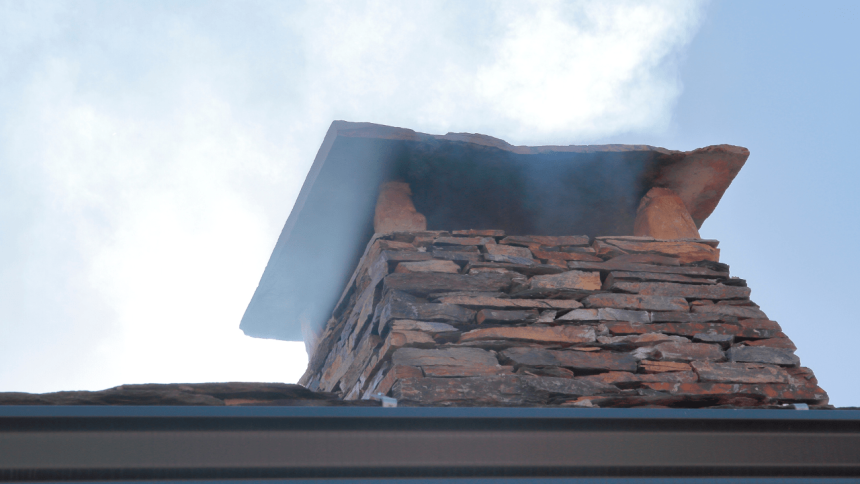
- The crown is the top layer of cement that seals the chimney from above. When it cracks, water seeps through and runs down the flue.
- Damaged or Missing Chimney Cap:
- The cap keeps rain, debris, and animals out. Without it, water freely enters the flue every time it rains.
- Leaky Flashing:
- Flashing is the metal seal between the chimney and roof. If it rusts or detaches, rainwater leaks into the house.
- Porous Brickwork:
- Older chimneys can absorb moisture if not waterproofed, leading to dampness inside walls.
- Faulty Chimney Liner:
- A damaged or improperly installed liner allows moisture and gases to penetrate the brickwork.
When you install a chimney liner properly, you create a waterproof barrier that prevents leaks and protects the chimney walls from rain and condensation.
It’s not always easy to tell where a chimney leak is coming from. Look for these warning signs during or after heavy rain:
- Water dripping into the fireplace.
- Damp or dark stains on walls or ceilings near the chimney.
- Musty odors coming from the fireplace.
- Crumbling bricks or mortar.
- Rust on the damper or firebox.
- Peeling paint or bubbling wallpaper near the chimney.
If you notice any of these, it’s time to call professionals like AAA Air Duct Cleaning to inspect your system. Ignoring the problem could lead to mold, structural damage, or costly repairs later.
A chimney liner acts as a barrier between combustion gases and the masonry. But it also serves another purpose — moisture protection. Here’s how it helps prevent leaks:
- Seals the Flue: Prevents water from seeping through porous brick or mortar joints.
- Prevents Corrosion: Keeps moisture away from metal parts, reducing rust and damage.
- Improves Drainage: Directs condensation and rainwater out through the flue, not into your home.
- Enhances Longevity: Protects your chimney structure from weather-related wear.
If your liner is cracked or poorly fitted, water can easily leak through. That’s why hiring experts like AAA Air Duct Cleaning to install a chimney liner correctly is essential for leak prevention.
Understanding where leaks begin helps you identify them faster.
- Chimney Crown:
- If not sealed properly, rainwater seeps through cracks and damages the liner below.
- Flashing:
- Flashing failures are one of the top reasons for water entering through the roofline.
- Mortar Joints:
- Over time, mortar can deteriorate and absorb rainwater.
- Flue Cap:
- Missing or loose caps let rain enter directly into the chimney.
- Brickwork:
- Bricks can act like sponges, especially in older homes without waterproof coatings.
Each of these points needs regular inspection and maintenance to prevent water entry.
Once you spot the problem, it’s important to act quickly. Here are the most effective solutions:
1. Install or Repair the Chimney CapA chimney cap is your first line of defense against rain. If it’s missing or damaged, replacing it will instantly reduce leaks.
2. Seal the Chimney CrownApply a high-quality waterproof crown sealer to fill cracks and protect the top surface.
3. Inspect and Replace FlashingIf flashing is rusted or loose, have it replaced and sealed properly to prevent roof leaks.
4. Waterproof the BrickworkUse a vapor-permeable waterproof coating to stop water absorption while allowing moisture to escape.
5. Install a Chimney LinerIf your existing liner is corroded or cracked, replacing it with a new stainless steel liner is the best long-term solution. It prevents leaks and improves safety.
AAA Air Duct Cleaning specializes in these services, ensuring your chimney is leak-free and ready to withstand heavy rain.
While minor sealing jobs might seem manageable, chimney leaks often have multiple sources that DIY repairs can’t fully address.
DIY Repairs:
- Temporary fixes only.
- Hard to identify hidden cracks.
- No guarantee of full waterproofing.
Professional Repairs (AAA Air Duct Cleaning):
- Complete inspection using cameras.
- Proper sealing with commercial-grade materials.
- Safe and permanent waterproofing.
- Expertise in installing chimney liners to prevent future issues.
When handled by professionals, you not only fix the current leak but also prevent future water damage.
AAA Air Duct Cleaning isn’t just about air ducts — their expertise extends to chimneys, vents, and liners. They offer:
- Chimney liner installation: Ensures your flue is fully sealed and moisture-proof.
- Comprehensive chimney inspections: Detect cracks, blockages, and early signs of leaks.
- Waterproofing and sealing services: Protect your chimney from rain and humidity.
- Maintenance plans: Regular cleaning to prevent creosote buildup and corrosion.
Their team uses advanced equipment and high-quality materials to make sure every chimney they service stays safe, dry, and efficient.
Preventing chimney leaks is easier (and cheaper) than fixing them. Follow these simple steps:
- Inspect annually: Have your chimney checked every year, especially before winter.
- Keep the cap in place: Always ensure your chimney cap is secure and undamaged.
- Seal cracks immediately: Don’t wait for small cracks to grow — fix them early.
- Apply waterproof sealant: Protect brickwork with a breathable waterproof coating.
- Clean regularly: Schedule chimney sweeps to prevent soot and debris buildup.
By taking these precautions, you can avoid expensive repairs and enjoy a worry-free fireplace season.
If you notice persistent leaks, damp smells, or visible water damage, don’t delay repairs. Moisture in a chimney can cause:
- Mold growth.
- Brick deterioration.
- Rusted dampers or flues.
- Ceiling and wall damage.
- Reduced heating efficiency.
AAA air duct cleaning can inspect, repair, and install a new chimney liner if needed to restore your system’s performance.
So, is it normal for chimneys to leak during heavy rain? No — and it’s a sign that your chimney needs attention. Whether it’s a cracked crown, loose flashing, or an old liner, addressing the issue early can prevent serious structural and safety problems.
When you install a chimney liner and seal it properly, you create a long-lasting barrier that keeps moisture out and ensures your fireplace runs safely.


Maxentra Review: Benefits, Ingredients & How It Works
What Is Maxentra Male Enhancement? Maxentra Male Enhancement is a dietary supplement desi...

Open House Without Borders: How Virtual Tours Are Expanding the Proper...
Solvarex Review: Is It Worth Trying? Pricing, Results & Where to Buy
What Is Solvarex? Solvarex is a dietary supplement designed to support general wellness,...