Is Blown-In Cellulose Insulation a Good Fit? Benefits and How It’s Applied
This article breaks down how blown-in cellulose insulation works, the specific benefits it provides,
Blown-in cellulose insulation is a popular choice for homeowners looking to improve energy efficiency without extensive renovation. Made from recycled paper and treated with fire retardants, it offers solid thermal performance, eco-friendliness, and cost-effective coverage—especially in older homes or hard-to-reach spaces.
This article breaks down how blown-in cellulose insulation works, the specific benefits it provides, where it’s best applied, and how it compares to other options. Whether you're considering this insulation for your attic or wall cavities, the goal is to help you decide if it's a smart, long-term solution for your needs.
Blown-in cellulose insulation is applied as loose-fill material using a mechanical blower. The insulation fills gaps and voids that are often missed by batt or board materials, making it effective for both thermal control and air sealing.
Blown-in cellulose is typically made of 80–85% recycled newspaper and cardboard. These fibers are treated with non-toxic borate compounds, which serve as:
- Fire retardants
- Mold inhibitors
- Pest deterrents
The result is a dense, stable material that conforms tightly to cavities and helps reduce unwanted air movement.
Thanks to its ability to conform to irregular spaces, blown-in cellulose works well in:
- Attic floors, especially in older or uninsulated homes
- Wall cavities (both new construction and retrofits)
- Ceilings and floors in multi-story buildings
Because of its density, cellulose is particularly good at filling areas around wiring, plumbing, and framing.
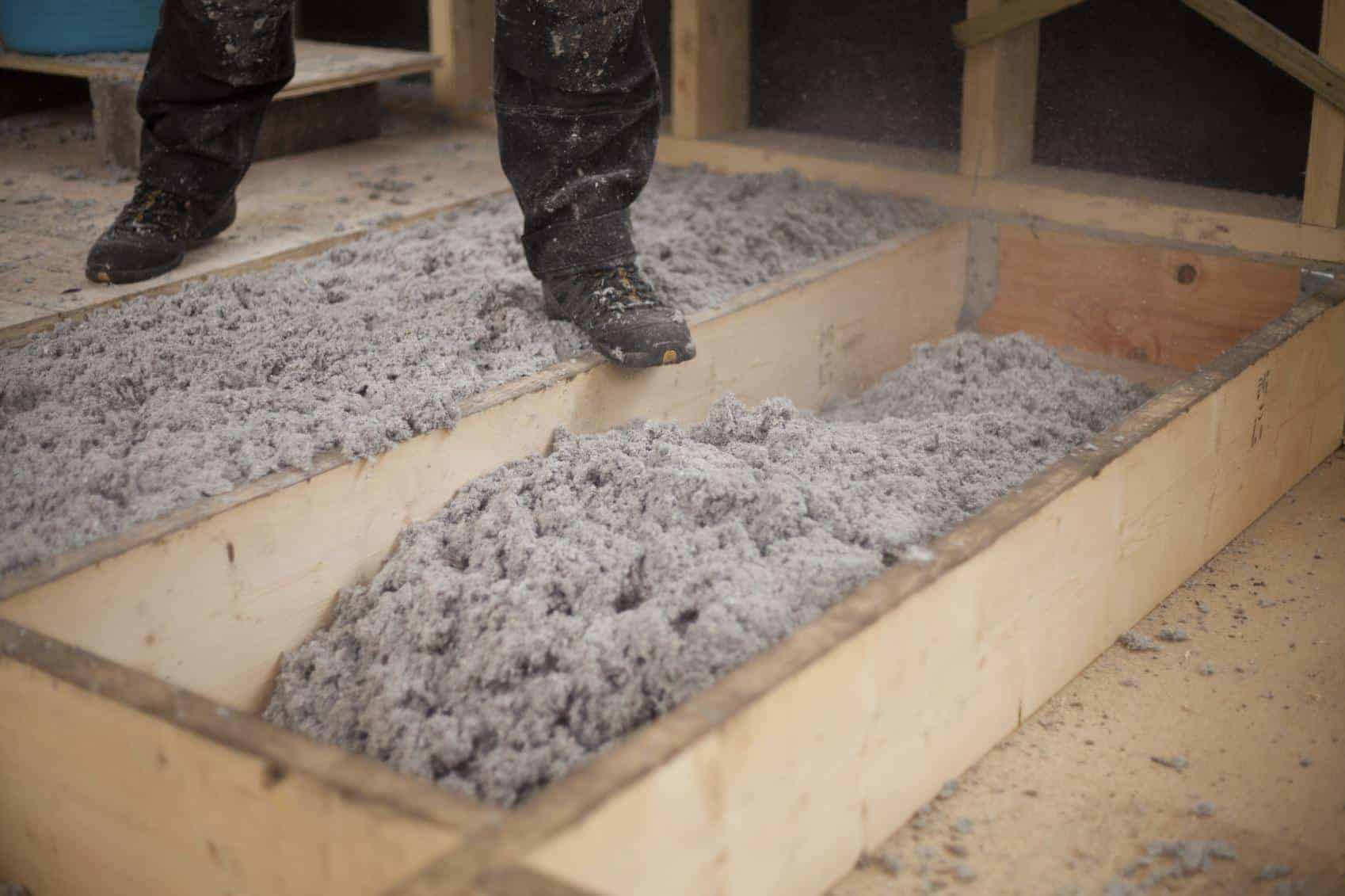
Blown-in cellulose provides a balanced combination of performance, safety, and sustainability. It stands out in retrofitting and remodeling situations where full removal of drywall or flooring isn’t practical.
Cellulose has an R-value of approximately R-3.2 to R-3.8 per inch. It performs well in cold and hot climates by limiting heat transfer through walls, floors, and ceilings. In practice, many homeowners see noticeable reductions in heating and cooling costs after installation.
One of the major advantages is its ability to minimize air leaks. Unlike batt insulation, which often leaves gaps around fixtures and framing, blown-in cellulose fills voids and irregular shapes, reducing drafts and improving thermal comfort.
The material's dense consistency also provides effective sound dampening. It's often used between floors or shared walls in multifamily units to reduce airborne noise transmission.
Cellulose is one of the most eco-friendly insulation materials on the market. It's made from post-consumer recycled content and requires less energy to manufacture compared to fiberglass or foam-based alternatives.
The borate treatment not only makes cellulose insulation Class 1 fire-rated, but it also repels insects and resists mold growth. This gives it a safety edge, especially in attics or crawlspaces where pests are common.
Proper installation is key to maximizing the benefits of blown-in cellulose. While DIY kits are available, many installations are best handled by professionals using commercial-grade equipment.
Before any insulation is applied, the space is evaluated for:
- Existing insulation that may need to be removed
- Air leaks or gaps that should be sealed
- Electrical, plumbing, or HVAC components that need clearances
In retrofits, small holes are drilled into wall cavities to access the space between studs. These are later sealed and refinished.
Insulation is blown into the designated areas using a high-powered blower. The material is fed into the machine from large bags and directed through flexible hoses.
Important technical considerations:
- Cellulose must be installed to a depth that accounts for natural settling
- Proper coverage ensures consistent R-value and air sealing
- Installers monitor fill levels and avoid compression or gaps
Choosing between insulation types depends on your goals, budget, and building type. Cellulose holds a strong position in retrofits and environmentally conscious projects.
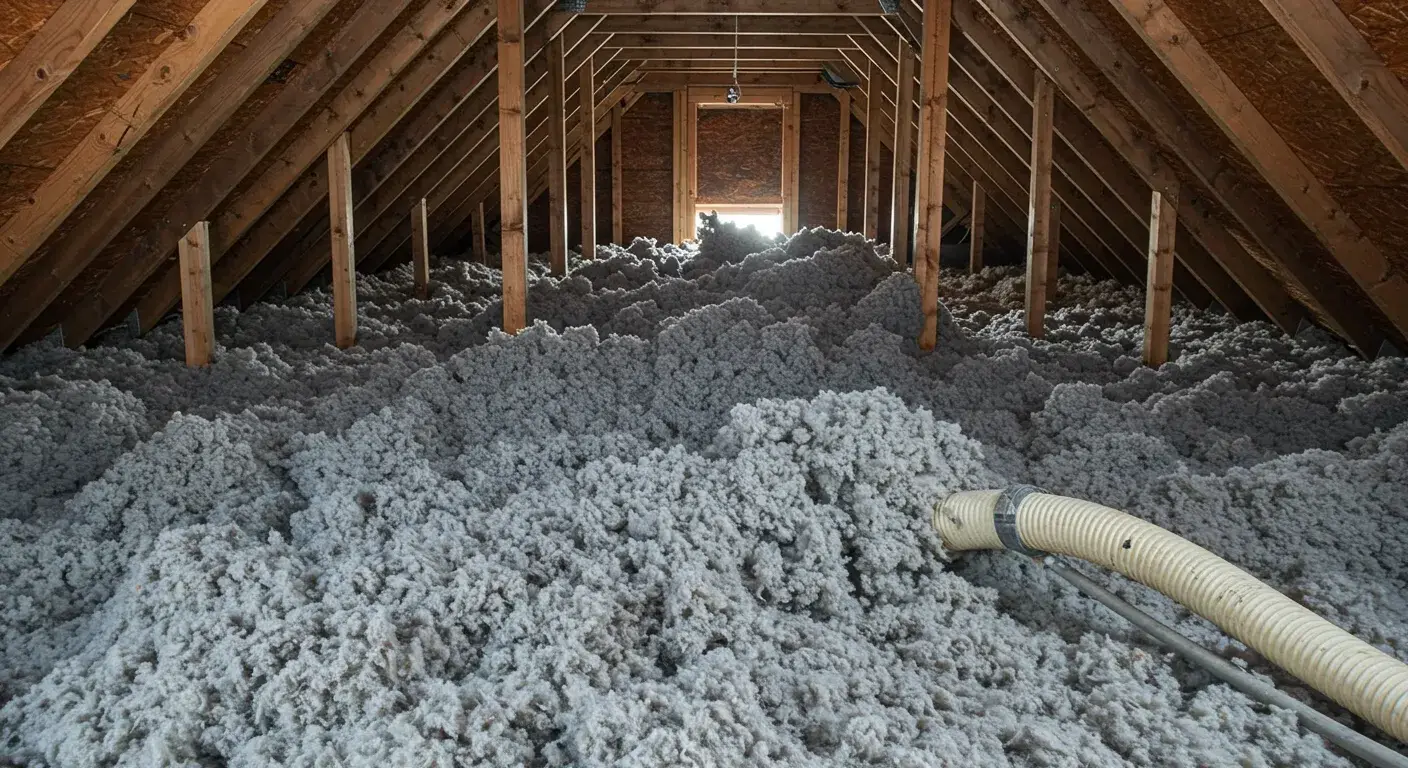
Fiberglass remains common due to cost, but cellulose generally seals better. Where fiberglass batt insulation can leave gaps and allow airflow, blown-in cellulose provides a more complete fill with better real-world performance.
Spray foam insulation offers higher R-values per inch and acts as both insulation and air barrier. However, it comes with higher costs, longer curing times, and environmental trade-offs. Cellulose is more cost-effective and has a lower environmental impact, though it doesn’t offer the same vapor-sealing properties.
Blown-in cellulose insulation performs well in many scenarios, but it’s not the answer to every insulation need.
- Retrofitting older homes with minimal wall cavity access
- Attics requiring uniform thermal coverage
- Eco-conscious renovations
- Reducing airborne sound between living spaces
- High-moisture areas without proper vapor barriers
- Situations where high R-value per inch is required and space is limited
- Projects needing integrated air and vapor barriers (spray foam may be better)
Yes. Installers drill small holes between wall studs, blow in the cellulose, and patch the holes. This technique makes it ideal for retrofits and minimizing disruption.
Cellulose can remain effective for 20–30 years if installed properly and kept dry. Moisture exposure can reduce its effectiveness, so good sealing and ventilation are important.
Yes. It’s made from recycled materials and treated with borates, which resist fire, pests, and mold. It emits minimal volatile organic compounds (VOCs) and poses low health risks.
Some initial settling occurs (typically around 20%). Installers compensate by adding extra material during installation to maintain long-term performance.
Blown-in cellulose insulation offers solid performance for both new and existing buildings. It stands out for its air-sealing ability, sound dampening, and environmental benefits. The material is especially useful in attics, walls, and other enclosed spaces where traditional insulation might not reach effectively.
For homeowners aiming to improve energy efficiency and indoor comfort—while using sustainable materials—blown-in cellulose often strikes the right balance between cost, function, and safety.
What R-value can blown-in cellulose insulation provide? Cellulose typically provides R-3.2 to R-3.8 per inch. Achieving R-38 in an attic, for example, would require about 10 to 12 inches of depth.
Can blown-in cellulose be used with other insulation types? Yes, it can be used to supplement existing fiberglass or in hybrid systems where air sealing or added density is needed. Compatibility depends on the space and goals.
Is cellulose insulation suitable for humid climates? It can be, but it should be paired with proper vapor barriers and ventilation. Without moisture control, cellulose may lose effectiveness over time.
Does blown-in cellulose create dust during installation? Installation can produce some dust, but professionals use equipment that contains and directs the flow. After installation, dust settles quickly and doesn’t remain airborne.
Can cellulose insulation improve home resale value? Improved energy efficiency and comfort often appeal to buyers. While not a high-ROI upgrade like kitchens or baths, insulation improvements can enhance long-term property value.
Reviewer: Jack Parker, a spray foam professional with 7 years of experience, reviewed this post and helped improve sections dealing with brand clarity and customer communication.